
You Won't Believe How a $250,000 Grant Will Revolutionize Addiction Treatment—Find Out Now!

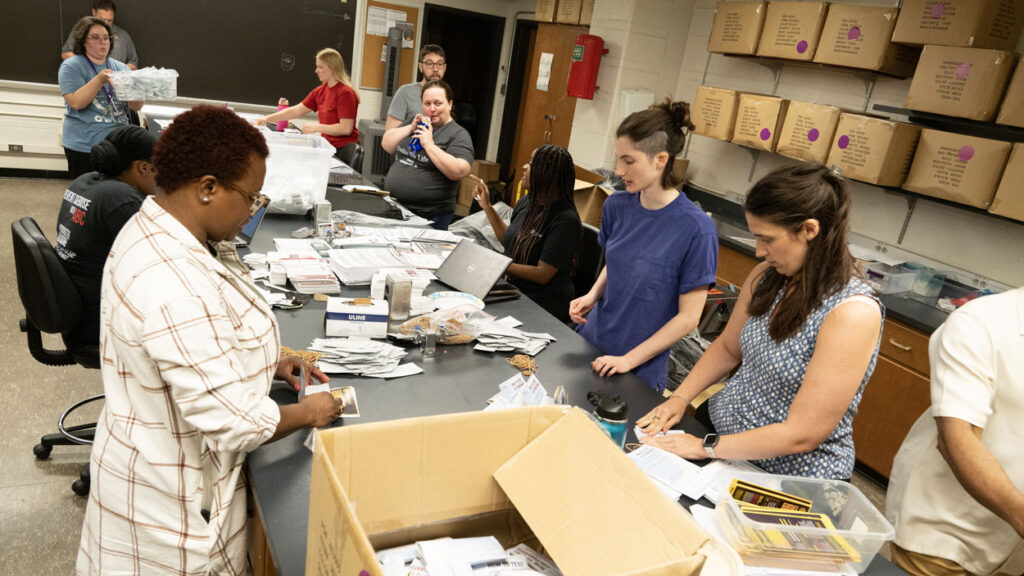
The University of Missouri–St. Louis (UMSL) Addiction Science Team is taking significant steps to combat the region's ongoing overdose crisis, bolstered by a new $250,000 grant from The Cigna Group Foundation. This funding will kickstart the St. Louis Medication Access Project (MAP), an initiative aimed at dismantling the barriers that hinder access to methadone treatment for those struggling with opioid use disorder.
The grant is part of The Cigna Group Health Equity Impact Fund, which is dedicated to supporting community-based programs that aim to close enduring gaps in health outcomes, particularly for underserved populations. By focusing on neighborhoods where overdose rates are alarmingly high, the St. Louis MAP will provide essential resources such as medication lockboxes and transportation assistance—ranging from bus passes to rideshare vouchers—for individuals seeking methadone treatment.
Rachel Winograd, an associate professor and principal investigator within psychological sciences at UMSL, leads the Addiction Science Team. "We are really grateful to The Cigna Group Foundation for this funding," she stated. "This allows us to build on some informal activities and community partnerships that we’ve had in recent years to make something more rigorous and robust that we can actually plan out intentionally and draw solid learnings from.” Winograd's decade-long commitment to addressing Missouri's overdose crisis has been marked by expanding access to naloxone and supporting harm-reduction strategies.
Transportation has consistently been identified as a significant barrier for those seeking methadone treatment, along with the requirement that patients possess a lockbox to store the medication safely. These obstacles can particularly affect individuals facing unstable housing, financial hardships, or inconsistent transportation access, thereby delaying or preventing treatment altogether. “There are so many barriers associated with methadone treatment, but there are some that feel very tangible and addressable,” Winograd remarked. “Our work is about reducing as many barriers as we can at as many levels as we can.”
Research indicates that up to 80% of a person’s health outcomes are influenced by social determinants, such as housing stability, transportation, education, and economic opportunity. These factors disproportionately impact underserved communities, contributing to preventable disparities in life expectancy, chronic diseases, and substance-use outcomes.
Celeste Player, PharmD, a board member of The Cigna Group Foundation, emphasized the importance of partnership in advancing health equity. “Health equity can only be achieved when we address the root causes of disparities and work alongside trusted local organizations,” she stated. “We are honored to support the University of Missouri–St. Louis Addiction Science Team as they work to remove systemic barriers and expand access to vital health resources. Together, we’re helping create more equitable outcomes for all.”
St. Louis has emerged as a focal point for The Cigna Group Health Equity Impact Fund's efforts, as local data reveals that residents experience disproportionately high rates of mortality from substance-use disorders. They are also more likely to visit emergency rooms for mental health challenges compared to residents in other Missouri counties. The Cigna Group Foundation has committed over $27 million in the past three years to nonprofits focused on youth and veteran mental health, as well as reducing barriers to health equity, with the Health Equity Impact Fund being a crucial part of that investment.
The St. Louis MAP initiative promises a holistic approach to tackling the region’s overdose crisis. By addressing not just the immediate need for treatment but also the socio-economic barriers that inhibit access, UMSL and The Cigna Group Foundation are taking meaningful steps toward improving health outcomes and fostering a healthier community. With the ongoing support of local organizations, the hope is to create a more equitable healthcare landscape for all St. Louis residents.
Meningitis B Vaccine Fails Shocking Trial: What This Means for 1 in 5 Americans!

Are You Ready? EXP Realty's Shocking Real Estate Secrets for Feb. 28 & 29 Will Change Everything!

You Won't Believe These 6 Simple Swaps That Can Save Your Heart (and Your Dessert!)

Elanco's Shocking 5.7% Surge: What This Means for Your Investment Future in 2026!
Is Social Media the New Mission Field? Discover the Shocking Truth Before It's Too Late!

Don’t Bet on NASCAR's Health 250 Until You See These Shocking DFS Picks—One Could Make You Rich!
You might also like: