Nearly 1,000 Measles Cases This Year: What You MUST Know to Protect Your Family!

As of 2026, the United States is grappling with a significant resurgence of measles, with nearly 1,000 confirmed cases reported by the Centers for Disease Control and Prevention (CDC). This marks a staggering increase—over four times the number of cases reported at this time last year. The current situation is particularly alarming as many of these cases are linked to an outbreak in South Carolina, which has reported around 800 cases since January. Reports indicate that 26 states across the country, from California to Maine and Texas to Wisconsin, are now affected.
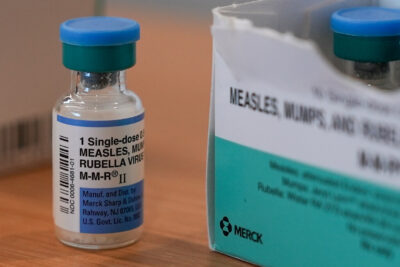
The numbers are a stark reminder of the United States' precarious status regarding measles elimination. In 2025 alone, there were 2,281 confirmed cases, putting the nation at risk of losing its measles elimination status, a benchmark held since 2000. The measles, mumps, and rubella (MMR) vaccine, typically administered to children in two doses, offers 97 percent protection against the disease. However, growing distrust towards vaccinations, exacerbated by misinformation, is contributing to the spike in cases.
This alarming trend follows the controversial leadership of Robert F. Kennedy Jr. at the U.S. Department of Health and Human Services (HHS). His tenure has seen a significant reshaping of the country’s vaccination framework, a mission he began prior to his appointment as secretary. While there have been no reported deaths from measles in 2026, at least three fatalities occurred last year, raising concerns about the potential consequences of the ongoing outbreak.
Despite the escalating situation, HHS downplayed the seriousness of the South Carolina outbreak in December, suggesting it would not lead to a large, persistent outbreak. Yet, reports indicate that at least 20 hospitalizations have occurred due to measles, with sources like ProPublica suggesting the actual number is likely much higher. Hospitals in South Carolina are not currently mandated to report admissions related to measles, leaving a significant gap in understanding the outbreak's scope.
Dr. Leigh Bragg, a pediatrician specializing in infectious diseases in South Carolina, voiced concerns about the lack of transparency, stating, “It’s a very big disservice to the public not reporting complications we are seeing in hospitals or even ERs. Measles isn’t just a cold.” This sentiment underscores the urgent need for clearer communication and better reporting standards regarding measles complications.
Compounding the problem, the chaotic fallout from previous federal workforce reductions poses additional challenges in addressing public health crises. In a move that raised eyebrows, over 1,000 CDC employees were laid off in October, only for about 700 to be rehired the following day. Such instability within the organization can hinder effective response measures during outbreaks like this one.
In stark contrast to the public health issues at hand, Kennedy's social media presence appears disconnected from the gravity of the situation. His pinned post on X features a video of him exercising in a sauna alongside entertainer Kid Rock, rather than offering guidance on measles prevention. This juxtaposition highlights a concerning trend where leadership may not be fully aligned with public health priorities.
The current measles outbreak serves as a potent reminder of the ongoing battle against misinformation surrounding vaccinations. It also emphasizes the importance of continual public health education to restore confidence in vaccines. As the year progresses, communities across the nation must remain vigilant, prioritize vaccination, and address the gaps in public health reporting to prevent a further escalation of this preventable disease.
Measles on the Move: Are YOU and Your Kids Safe? Shocking Local Cases Revealed!

You Won't Believe the Shocking Results of Chennai's New Robotic Surgery Revolution! Is Your Life at Stake?

Is Robert Kiyosaki's Shocking Bitcoin Bet at $67K the Key to Your Financial Future? Find Out Now!

$190M Floods MENA Startups: Are You Missing Out on the Next Big Tech Revolution?

Is This Japanese Giant's XRP Bond Plan the Game-Changer You Can't Afford to Ignore?
Unlock the Secret to Ultimate Recovery: Get QUINEAR Boots for Just $279.97—But Only for 48 Hours!
You might also like: