
You Won't Believe How Much These College Football Coaches Are Raking In—Top Salaries Revealed!

As college football continues to evolve into a multi-billion-dollar industry, the financial figures associated with top coaching positions are reaching staggering heights. With the 2025-2026 season around the corner, a closer look reveals the highest-paid head coaches in NCAA football and the lucrative contracts that are redefining college athletics.
The Highest-Paid Coaches in NCAA Football
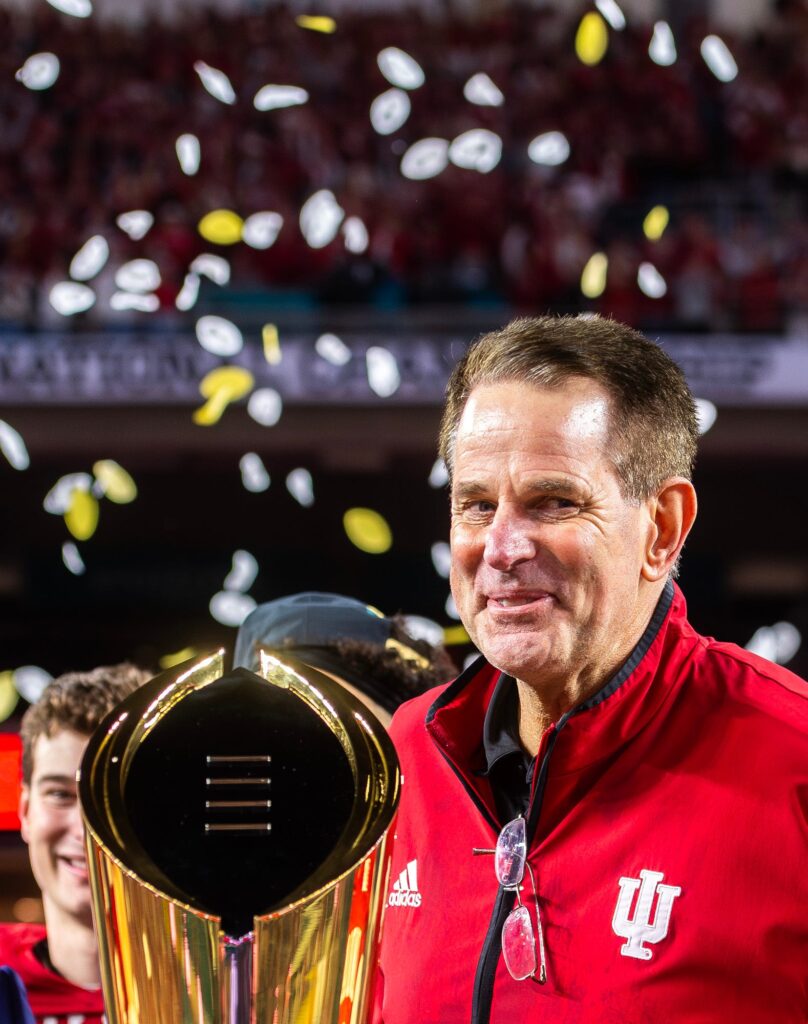
Leading the pack is Curt Cignetti, head coach at Indiana. After guiding his team to an impressive 16-0 season and securing the program's first national championship, Cignetti's salary skyrocketed to $13.2 million annually through 2033. His record of 27-2 over two seasons solidifies his status as one of the most sought-after coaches in the nation.
Not far behind, Kirby Smart from Georgia became the first college football coach to break the $13 million barrier, earning $13.3 million annually through a 10-year, $130 million extension. With two national titles under his belt (2021-22), Smart's financial rewards reflect his success on the field.
Lane Kiffin, who recently switched from Ole Miss to LSU, signed a seven-year, $91 million deal, earning $13 million per year. This contract includes a clause that would elevate his pay to the highest in the sport should LSU clinch a national championship. Kiffin’s move exemplifies the competitive nature of college football, where top talent is aggressively pursued and compensated.
Next on the list is Ryan Day of Ohio State, who earns $12.6 million annually, thanks to a seven-year contract revitalized by the Buckeyes' 2025 national championship win. With a base salary of $12 million and up to $1.55 million in bonuses, Day's financial package highlights the financial stakes involved in college football coaching.
Lincoln Riley, the former Oklahoma coach now at USC, also earns $11.5 million from his substantial 10-year, $110 million contract signed in 2022. USC's promising recruiting class suggests that Riley's tenure could further enhance his earning potential.
At $11.5 million for the 2025-2026 season, Dabo Swinney of Clemson is another heavyweight in this financial landscape. As the winningest coach in Clemson history, his salary reflects the success and expectations that come with his role, particularly after guiding the Tigers to national championships in 2016 and 2018.
Following closely are Mario Cristobal of Miami, with a salary of $8.5 million, and Brent Venables from Oklahoma, who earns $7.5 million. Cristobal’s contract is a 10-year deal averaging $8 million annually, while Venables received a significant raise after leading the Sooners to a 10-2 record and a College Football Playoff berth.
Despite being fired after a disappointing 4-8 season, Billy Napier still benefits from a contract worth $7.2 million, illustrating the financial guarantees that often accompany coaching contracts in college football.
Mike Elko, the head coach at Texas A&M, ranks eighth with a base salary of $7.2 million, set to increase to $10.75 million in 2026 as part of his six-year, $69 million extension. This contract includes various performance incentives, underscoring the increasing trend of tying compensation to on-field success.
The salaries of NCAA football coaches are reflective of the growing financial ecosystem surrounding college sports. As programs rake in enormous revenues from ticket sales, television rights, and sponsorships, the investment in top-tier coaching staff is seen as essential for success. Whether these coaches can deliver championships remains to be seen, but one thing is clear: the stakes are higher than ever.
As the college football landscape continues to shift, with more schools willing to invest in their coaching talent, we can expect to see these numbers climb even higher. The push for excellence in college football is not just about athletic performance but also a financial gamble that universities are more than willing to take.
How Climate Change is Turning the Sunderbans’ "Tiger Widows" into Desperate Survivors—Are You Ready for the Shocking Truth?

Google VP Drops Bombshell: Two AI Startup Models Could Face TOTAL Collapse—Is YOUR Investment at Risk?

BNP Paribas Just Launched a Shocking Ethereum Pilot—Are You Missing Out on This Crypto Revolution?
You Won’t Believe Brennan Marion’s Shocking College Football Highlights – Colorado Fans MUST See This!

You Won't Believe the Most Bizarre Healthy Super Bowl Snacks Each State is Craving THIS Year!

Unlock Stunning Photos with Your Phone: Discover the Shocking Secrets at White Rock Library!
You might also like: