Shocking Documents Reveal the Hidden Truth Behind CDC’s Controversial Vaccine Approval—What They Don’t Want You to Know!

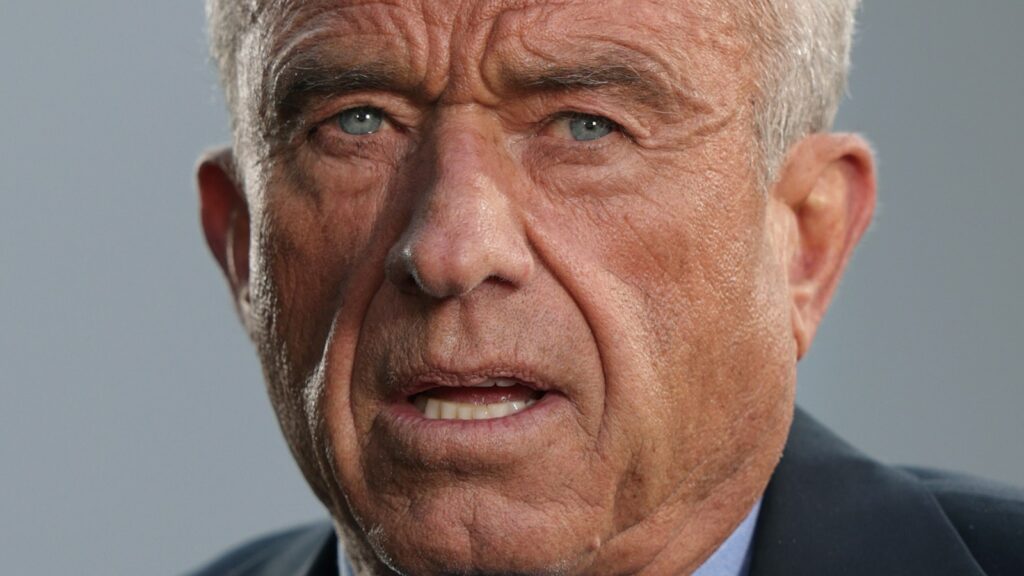
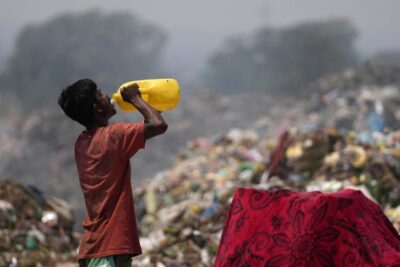
In early December, two political appointees at the Centers for Disease Control and Prevention (CDC) embarked on a controversial mission: to locate a division within the agency that could process a grant proposal from a pair of Danish researchers, deeply admired by Secretary of Health and Human Services Robert F. Kennedy Jr. The grant request, labeled as unsolicited, sought funding for a randomized controlled trial in the impoverished West African nation of Guinea-Bissau.
The proposed research aims to assess whether a birth dose of the hepatitis B vaccine—long hailed for its safety—could potentially have adverse effects, including skin ailments or neurodevelopmental disorders. However, current and former CDC employees have expressed serious concerns about the study's ethical implications and the pathway it took to gain approval.
Alarmingly, the proposal bypassed standard scientific reviews and competitive bidding processes. Instead of providing a birth dose of the vaccine to all 14,000 enrolled infants in a country where one in five adults is afflicted with hepatitis B, the study would only administer the vaccination to half of them. Sources within the CDC reported intense pressure from the director’s office to greenlight this high-risk proposal. “None of our scientists would touch this with a 10-foot pole,” revealed one CDC employee. The grant request was so contentious that one scientist refused to even receive it in their inbox.
Documents obtained by Rolling Stone revealed that the proposal was routed directly from the director's office to grant management officials, thereby circumventing the usual lengthy review process that can take over a year. This expedited approval took only ten days, leading to significant pushback from the scientific community. Once the $1.6 million grant was posted on December 18, it faced immediate outrage, with scientists worldwide denouncing the study's ethical viability. Subsequently, the health secretary of Guinea-Bissau announced on January 22 that the study would be halted pending an ethics review.
The Ethics of Vaccine Research
In response to the irregularities surrounding the Guinea-Bissau ethics approval, Ole Skøtt, dean of the health sciences faculty at the University of Southern Denmark, stated that the new information warranted an investigation. Following this, the Hepatitis B project was put on hold to evaluate ethical considerations. The controversy surrounding the study intensified; on February 6, three members of the House Energy and Commerce Committee sought answers from then-acting CDC director Jim O’Neill, who was later removed in a staff shuffle.
On February 13, the World Health Organization (WHO) issued a statement expressing “significant concerns” regarding the study's scientific basis and ethical safeguards. While lead scientist Christine Stabell Benn defended the study's ethical framework, claiming it complies with Guinea-Bissau’s national policy, Rolling Stone discovered that the ethics committee in Guinea-Bissau did not meet the U.S. standards required for grant funding. Records indicated that the committee had an expired registration with the HHS Office for Human Research Protections and lacked the necessary number of active members. Furthermore, a critical figure on the approval letter, Dr. Cunhate Na Bangna, revealed that his name was used without his consent, having resigned from the committee three years earlier.
The short but convoluted timeline of the grant request raises questions about the integrity of the CDC's decision-making process. In a climate where the agency had recently experienced turmoil—including leadership purges and a tragic shooting incident—the normal checks and balances appeared to be compromised. The decision to approve such a high-risk clinical trial involving infants, without proper scientific oversight, seems particularly troubling.
Dr. Debra Houry, the former chief medical officer of the CDC, did not mince words, calling the study "unjustifiable" and expressing disbelief that the CDC's name could be associated with it. The investigation by Rolling Stone, which included interviews with over 20 current and former CDC employees and medical ethicists, unveiled a narrative of political influence and rushed approvals undermining ethical research standards.
As Stabell Benn and her research partner, Peter Aaby, grapple with allegations of dubious research practices, the implications of this grant extend beyond Guinea-Bissau. The proposed research is framed as a way to explore the potential negative effects of a vaccine that has been part of routine immunization schedules in many countries for over three decades. Critics argue that the study could set a dangerous precedent, calling into question the safety and efficacy of vaccination programs globally.
The urgency behind this funding request appears tied to broader political shifts within the CDC. Just weeks after the approval of this grant, in early January, Kennedy announced changes to the U.S. vaccination schedule that would drop six out of 17 childhood vaccines, including the hepatitis B vaccine. Major medical organizations rapidly denounced this move, claiming it could lead to a resurgence of diseases previously under control.
As the Guinea-Bissau project remains in a state of limbo, the ethical controversies surrounding it raise fundamental questions about public health, the role of agencies like the CDC, and the complexities of vaccine research. The fallout from this situation may have lasting implications on U.S. vaccination policies and public trust in health institutions.
El Niño’s New Labeling: What Scientists Discovered Will SHOCK You! Are We Ready for the Consequences?

FIFA Teams Up with Peace Board: Is Gaza's Football Future at Stake? Shocking Plans Revealed!
You Won't Believe Who's Still Backing Trump's 2020 Lies—#1 Will Shock You!
FIFA's Shocking Move: How a $100 Million Soccer Initiative Could Change Gaza Forever!

LA Judge’s SHOCKING Decision: Key Lawyer DEMOTED Over Tech Blunders! What Does This Mean for You?
Gisele’s SHOCKING Move: What She Just Did About Tom Brady’s Wild Nights Will Leave You Speechless!
You might also like: