
Trump and Xi's Shocking Taiwan Talks: What You MUST Know Before It's Too Late!

In a recent statement, the White House has firmly maintained that the U.S. policy toward Taiwan remains unchanged, following remarks from President Donald Trump regarding potential arms sales to the island. Speaking aboard Air Force One on February 17, Trump indicated that he has been in discussions with Chinese leader Xi Jinping about U.S. arms sales to Taiwan, asserting that a decision would be forthcoming. “I'm talking to him about it. We had a good conversation,” Trump noted, adding, “We'll make a determination pretty soon.”
Trump's comments come amid heightened tensions in U.S.-China relations and have drawn significant attention in Washington. A White House official clarified that there is "no change to our policy with respect to Taiwan," reiterating the principles of the U.S. "one China" policy. This policy allows Washington to engage with both sides of the Taiwan Strait, consistent with the frameworks established by previous administrations.
The backdrop to this conversation includes Trump’s ongoing diplomatic interactions with Xi, with their most recent call occurring on February 4. Following that discussion, the Financial Times reported that Washington is preparing an arms package for Taiwan potentially worth around $20 billion. This package is expected to include advanced weaponry such as Patriot missile systems and other military technologies, which has drawn stern warnings from Beijing.
Beijing has privately cautioned that additional arms sales could jeopardize Trump’s planned state visit to China in April. During the February 4 call, Xi emphasized that the Taiwan issue is “the most important and sensitive issue in U.S.-China relations,” urging Washington to handle any arms sales cautiously. Trump, in response, indicated that he takes China’s concerns seriously and aims to preserve stable bilateral relations during his administration.
The U.S. policy framework regarding Taiwan is rooted in the Taiwan Relations Act and the Six Assurances provided to Taiwan in 1982. The Taiwan Relations Act, enacted after the U.S. shifted diplomatic recognition from Taipei to Beijing, governs relations in areas such as security, arms sales, and cultural exchanges. It asserts U.S. commitments to Taiwan’s defense, allowing for arms sales to support its self-defense capabilities. The Six Assurances, introduced during President Ronald Reagan's administration, further stipulate several commitments, including not consulting Beijing on arms sales to Taiwan and refraining from pressuring Taiwan into negotiations with China.
The delicate balance of U.S.-Taiwan-China relations continues to be a significant focus for policymakers. As the U.S. navigates this intricate geopolitical landscape, the implications of arms sales to Taiwan could dramatically affect regional stability in East Asia. With growing concerns regarding China's military assertiveness, the American commitment to Taiwan remains a cornerstone of its foreign policy in the Pacific.
As President Trump prepares for his upcoming visit to China, the responses from both Beijing and Washington will be closely watched. The evolving situation is a reflection of broader trends influencing U.S.-China relations and highlights the complexities that accompany arms sales in the context of Taiwan's security and autonomy.
The Webster Hotel's Shocking Transformation: Are You Ready for This Game-Changer This Summer?
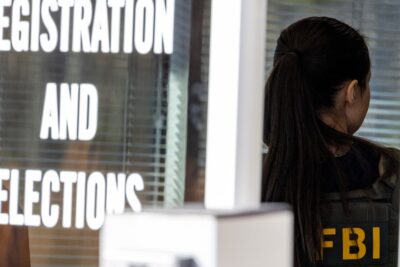
Shocking Revelations: What the Fulton Election Raid Is Hiding from You!

You Won't Believe What These Bipartisan Housing Bills Could Mean for Michigan Homeowners!

NBA Superstars Are Raking in Millions from Betting—But What’s the Dark Secret Behind It?

From Qatar to NBA All-Star Weekend: How One Underdog Defied 1,000-to-1 Odds!
Unlock Your Phone's Hidden Power: 7 Shocking Tricks to Boost Battery Life by 50% Overnight!
You might also like: