
You Won't Believe What These Bipartisan Housing Bills Could Mean for Michigan Homeowners!

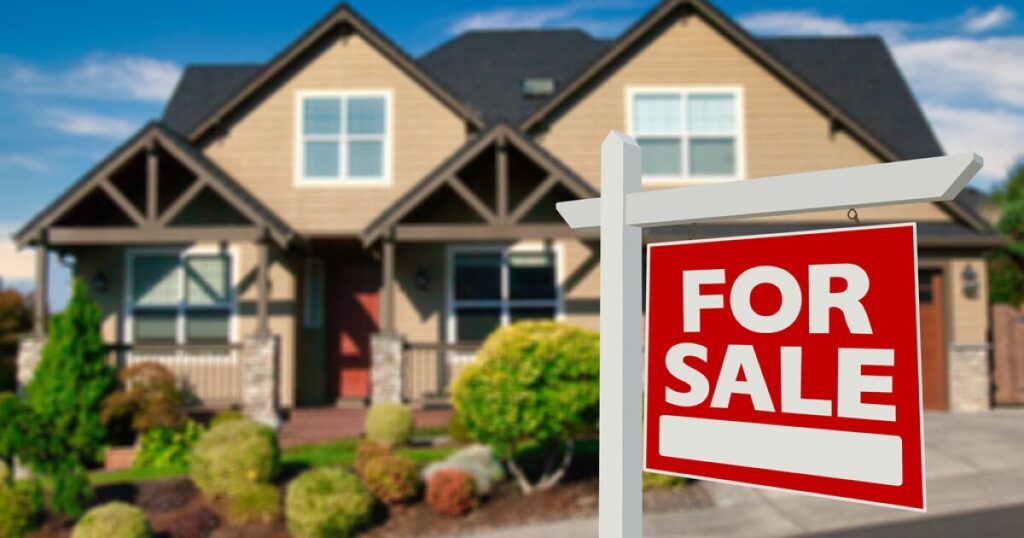
A bipartisan group of Michigan lawmakers is introducing legislation aimed at easing the housing crisis in the state, which has been exacerbated by rising construction costs and regulatory hurdles. The proposed bills would permit duplexes in traditionally single-family residential areas, lower minimum size requirements for housing units, and reduce lot size requirements for single-family homes. This legislative initiative is seen as essential in addressing the growing affordability crisis that many Michiganders face.
State Representative Joseph Aragona (R-Clinton Twp) highlighted the urgency of the situation during a press conference near Lansing. He stated, “The fact of the matter is we have a housing issue, right? If we want to see the next generation, our kids’ grandkids being able to afford a new home, we’ve got to start putting them on the market. Last I checked, we’re not making any more land. So, we have to figure out how to put more housing on the market where we can.”
Aragona emphasized that over-regulation has significantly inflated the costs of building new homes, which in turn prices many individuals out of the housing market. He noted that developers often incur tens of thousands of dollars solely to comply with existing regulations before they even begin construction. This financial burden makes it increasingly challenging to provide affordable housing options.
While the bills have garnered bipartisan support, local government groups remain skeptical. Jennifer Rigterink, assistant director for state and federal affairs with the Michigan Municipal League, voiced concerns during an interview. She argued that lawmakers are presenting a "strawman argument" by attributing rising housing costs primarily to local regulations, which she claims play a relatively minor role. “I don't know how taking away that local decision-making in local reform processes will produce more housing or make more housing opportunities more affordable,” she said.
Rigterink pointed out that some local governments, like Grand Rapids, have already implemented aspects of the proposed changes, such as allowing accessory dwelling units, like carriage houses, on single-family properties. She contended that the proposed legislation might not effectively address the deeper issues that hinder project initiation, such as financing challenges.
In a previous collaboration with state lawmakers, the Michigan Municipal League introduced the MI Home Program, which proposed allocating $160 million in state funds to assist with project financing. Rigterink believes that this funding would be more effective in bridging the gap between project costs and the affordability for families looking to rent or own homes. “The reason it's so difficult is because, with our current incentive packages, there's still issues with financing. There’s still a gap when it comes to the cost of the project and then making it affordable or attainable for individuals and families,” she explained.
Despite the pushback, bill sponsors assert that streamlining zoning laws will help alleviate some of the housing challenges. State Representative Kristian Grant (D-Grand Rapids) stated, “We can’t subsidize our way out of this. The state of Michigan can’t afford that. What we need from locals is to allow people to build housing and allow people to buy housing, and so we look forward to working together in that way.”
The proposed legislation includes a total of nine bills, which aim to create a more uniform framework for housing development across the state. Aragona indicated that he expects to hold a hearing on the initial bills this week, suggesting that this could be a pivotal moment in Michigan's efforts to address its housing crisis.
The ongoing debate surrounding these legislative proposals underscores the complexity of the housing issue in Michigan and the need for a multifaceted solution that balances local regulations with the urgent demand for affordable housing. As lawmakers move forward, it remains to be seen how these new measures will impact the housing landscape in Michigan.
NBA Superstars Are Raking in Millions from Betting—But What’s the Dark Secret Behind It?

From Qatar to NBA All-Star Weekend: How One Underdog Defied 1,000-to-1 Odds!
Unlock Your Phone's Hidden Power: 7 Shocking Tricks to Boost Battery Life by 50% Overnight!

US Congressman Sparks Outrage with Shocking Anti-Muslim Tweet – You Won't Believe the Backlash!

Is Your Vote at Risk? Rep. Pavlov Unveils Shocking New Measures to Protect Michigan Elections!

Why Fernandina Beach’s Bold 2026 Plans Could Change Your Community Forever!
You might also like: