
Zuckerberg's Shocking Testimony: Will Social Media Addiction Claims Change Everything? Find Out!

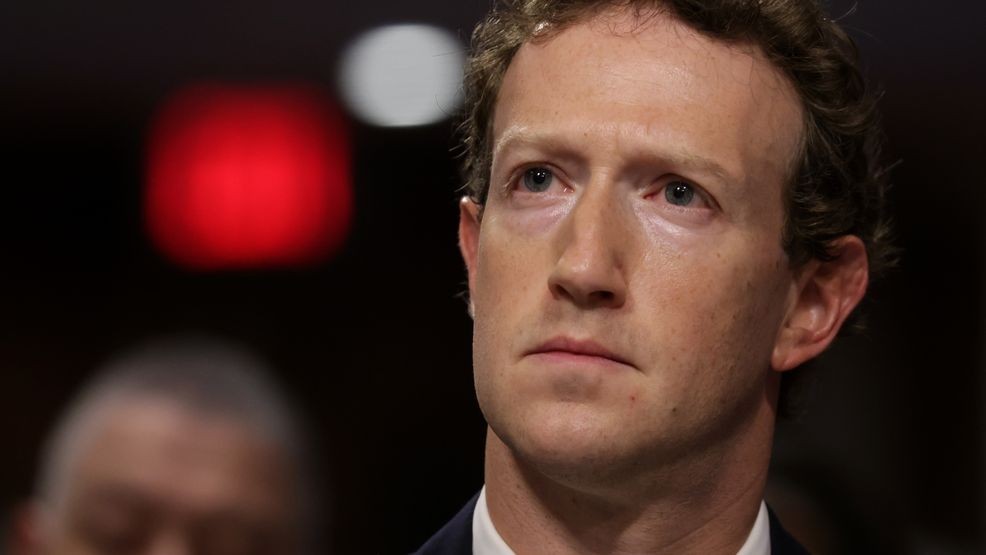
WASHINGTON (TNND) — On Wednesday, Meta CEO Mark Zuckerberg is set to face grieving families in a significant social media addiction trial unfolding in Los Angeles. Among the plaintiffs is a now 20-year-old identified as "Kaley," along with her mother, who allege that both Meta and YouTube have engineered addictive algorithms that have adversely affected Kaley’s mental health since she began using their platforms as a child. The consequences, they argue, include severe depression and self-harm.
“These features are ones that are specifically designed to get into a pre-teen or teen brain and give dopamine hits in such a way that they become as addictive as cigarettes, as opiates, as any addiction may be,”
stated Mark Lanier, the attorney representing the plaintiff. His remarks highlight the growing concerns surrounding the impact of social media on young users, particularly in terms of mental health.
Meta has strongly contested these allegations, with a spokesperson asserting, “We’re confident the evidence will show our longstanding commitment to supporting young people.” Zuckerberg's scheduled testimony comes two years after he faced similar grief, where families accused social media platforms of contributing to their children’s deaths during a heated Senate hearing held on Capitol Hill. In that session, Senator Josh Hawley (R-Mo.) confronted Zuckerberg directly, asking,
“Have you apologized to the victims? Would you like to do so now?”
Zuckerberg responded, acknowledging the pain suffered by these families and emphasized Meta's ongoing investment in initiatives to ensure the safety of young users.
Wednesday's proceedings will mark the first time Zuckerberg has had to testify about claims related to youth safety before a jury. If the jury sides with "Kaley," it could set a significant precedent for holding social media companies accountable for design choices that may result in harm. Alongside the legal battle, Lanier is calling for improvements in how platforms manage user access, particularly for younger audiences.
“They ought to do better age-gating. They need to do better channeling out those children who are too young to use the app effectively and put the fence around it that they know how to do, they’re just choosing not to do,”
he told CNN, pushing for stricter regulations on content accessibility for minors.
Zuckerberg’s testimony will follow remarks made by Instagram CEO Adam Mosseri, who recently stated that he does not believe social media can be clinically addictive, although he admitted that Instagram usage can lead to problematic behaviors. This aligns with an ongoing debate within the industry about the potential for social media to foster dependency among young users. Notably, TikTok and Snapchat have already settled with the plaintiff, indicating a willingness among some platforms to address the claims of addiction more proactively.
The implications of this trial extend beyond the courtroom. As concerns mount over the effects of social media on mental health, particularly among youths, this case could catalyze a broader conversation about the responsibilities of tech companies. The trial underscores a growing public scrutiny surrounding the ethical considerations of algorithm design and user engagement strategies aimed at younger audiences. With mental health issues becoming increasingly prevalent, stakeholders are now calling for a closer examination of how these platforms operate and the long-term effects on their users.
As this landmark trial unfolds, it will not only spotlight individual experiences but also highlight the urgent need for comprehensive reforms in how social media companies engage with and protect young users. With key figures like Zuckerberg in the spotlight, the outcome may very well influence future regulatory measures and shape the landscape of social media for years to come.
Chicago Bears Set for Shocking $43M Free Agent Deal—Will It Change Their Destiny?
You Won't Believe What Happens When Access Is Denied—The Shocking Truth Exposed!

You Won’t Believe How Climate Change is Shattering Greenland's Inuit Lives—Find Out What’s at Stake!

Caleb Williams' 2026 Bears Offense Goal Will Shock You—Is This the End for Chicago?
Caitlin Clark’s Bold Statement: “I’d Rather RETIRE Than Live Like LeBron!” You Won't Believe Why!

Governor's Shocking Rejection: No Income Tax for Families Earning Under $1M—What’s the Real Cost?
You might also like: