
Shocking Leadership Overhaul at HHS: What This February Shakeup Means for Your Healthcare!

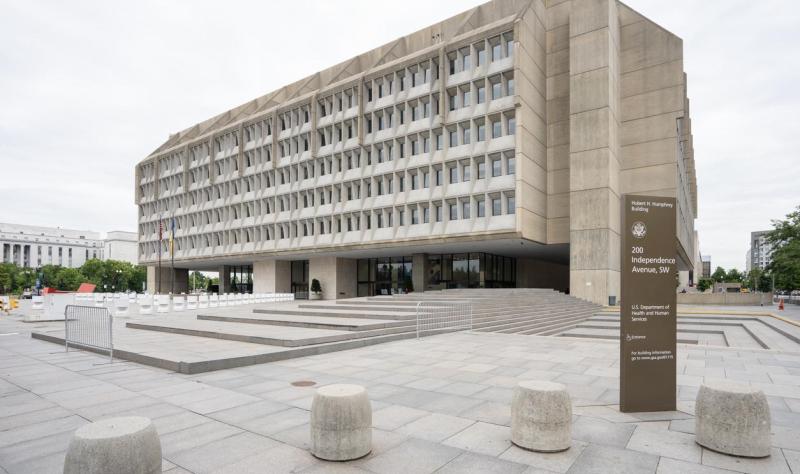
In a series of significant changes, the U.S. Department of Health and Human Services (HHS) is undergoing a reshuffle as it navigates the aftermath of Secretary Robert F. Kennedy Jr.’s leadership spanning nearly a year. Most notably, Deputy Health Secretary and Acting Director of the Centers for Disease Control and Prevention (CDC), Jim O’Neill, is set to depart from his current role. O’Neill, who was appointed to lead the CDC in August 2025 following the controversial firing of Susan Monarez, PhD, will be relocating to another position within the administration. Alongside him, General Counsel Mike Stuart, JD is also leaving his post.
The recent announcements are not merely personnel changes; they reflect a strategic pivot amid growing concerns over healthcare affordability—a pressing issue for American voters ahead of the midterm elections. Reports from anonymous sources suggest these shifts are a direct response to President Donald Trump acknowledging the urgency of the situation. In a notable move, Chris Klomp, deputy administrator of the Centers for Medicare and Medicaid Services, will be taking charge of overseeing all HHS operations. Klomp played a pivotal role in Trump's initiatives aimed at lowering prescription drug prices, further emphasizing the administration's focus on healthcare reforms.
O’Neill’s tenure at the CDC has been marked by controversy, particularly surrounding the recent changes to the childhood vaccine schedule that ignited debates about public health strategy and safety. Notably unconfirmed by the Senate, O’Neill has been a vocal supporter of Kennedy’s “Make America Healthy Again” (MAHA) movement, which aims to reshape public health policies in line with the administration's vision. Following a year rife with negative press, including infighting and a major measles outbreak in West Texas—reportedly the worst in 30 years—the leadership shakeup suggests a need for greater stability within the CDC.
Challenges Ahead for NIH
In related news, the National Institutes of Health (NIH) is facing its own challenges, as NBC reported that 16 out of 27 of its institutions currently lack directors. These vacancies have arisen due to a combination of resignations, retirements, and firings under NIH Director Jay Bhattacharya, MD. As the NIH has historically operated as a non-partisan entity for over 139 years, concerns are mounting that the current leadership transitions may lean toward appointments that align with Kennedy’s MAHA agenda. This situation has raised alarms among some NIH staff, who worry that the integrity of the institute’s mission might be compromised. Shiv Prasad, PhD, a scientific review officer at NIH, expressed his skepticism, stating, “I’m not confident that their appointments will be with the institute’s mission in mind.”
The significance of these changes cannot be understated, particularly as the U.S. grapples with a chronic disease epidemic and the pressing need for evidence-based science. The HHS's commitment to restoring accountability and prioritizing the health of American citizens was highlighted in Kennedy’s statement announcing the new appointments. He asserted, “We are restoring accountability, challenging entrenched interests, and putting the health of the American people first.” The outcome of this recalibration remains to be seen, but it indicates a clear acknowledgment of the critical role health care plays in voters' daily lives.
As the administration continues to navigate these transitions, American citizens will be watching closely, particularly as issues surrounding health care affordability and public health policy become increasingly central in the national discourse. The HHS's evolving leadership landscape might just set the stage for future reforms that could redefine how health care is delivered in the United States.
Is Your Browser Putting Your Data at Risk? 7 Shocking Reasons You Need to Upgrade NOW!
Tragedy Strikes: 18-Year-Old Parker Sutherland's Shocking Death Leaves Football Community Reeling!
You Won’t Believe How Jitesh Luthra Went From Startup Failures to a $1 Million Business Blueprint!

Instagram CEO Claims No Addiction, But Shocking Data Shows 70% of Users Disagree—Are You Among Them?

Is Your Health at Risk? Discover the Shocking Truth About Climate Change's Hidden Dangers!

Why This CIF-SS Quarterfinal Tuesday Could Change Everything for Your Favorite Team – Don't Miss The Shocking Matchups!
You might also like: