
Thailand's Election Shocker: Will Democracy Survive? The Jaw-Dropping Consequences Await!

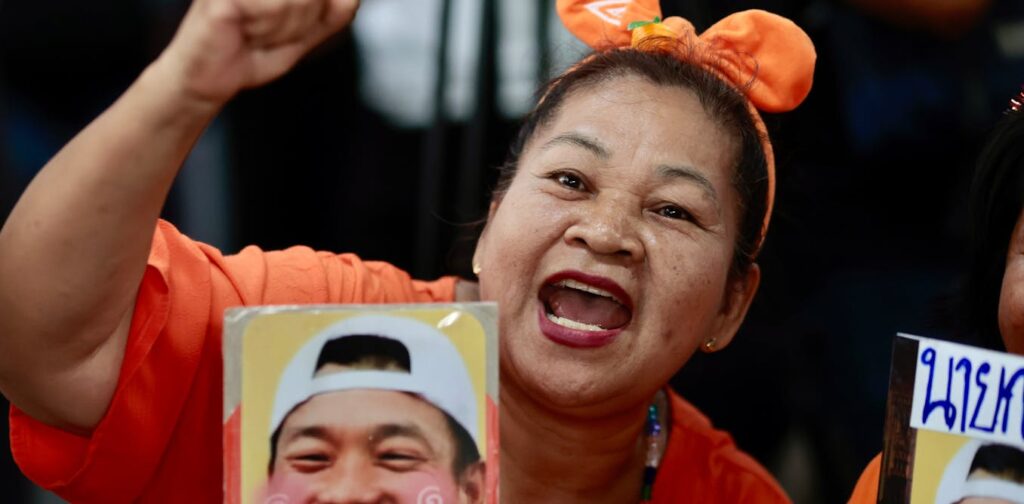
In a surprising turn of events, Thailand's Prime Minister Anutin Charnvirakul is poised to remain in office following the recent elections in which his conservative Bhumjaithai Party secured the most seats in the lower house. This outcome represents a significant setback for the progressive People’s Party and the broader pro-democracy movement in Thailand, which has faced formidable challenges in a political landscape heavily influenced by pro-military and pro-monarchy factions.
Despite leading in pre-election polls, the People’s Party finished second and will now assume the role of the primary opposition. The once-dominant Pheu Thai party lagged behind in third place and agreed to join a coalition led by Bhumjaithai, further complicating the path for progressive reforms.
The implications of this election are profound, raising questions about the future direction of Thailand and the prospects for the pro-democracy movement that has long sought meaningful reforms in the country.
📰 Table of Contents
Who is Anutin Charnvirakul?
Anutin Charnvirakul, who took over the Bhumjaithai Party in 2014, has quickly risen to prominence in Thai politics. Following his father's legacy as a former acting premier, Anutin has also made a name for himself in business, particularly in the construction industry. He gained national attention as a pivotal proponent of the legalization of cannabis, though he has since distanced himself from this issue to appeal to more conservative voters.
His elevation to the premiership came amid controversy last year when his predecessor, Paetongtarn Shinawatra, was ousted due to allegations of being overly conciliatory towards Cambodia regarding a longstanding border dispute. Anutin's ascent was facilitated by unexpected support from the People’s Party, which helped him gain a foothold on the national stage and consolidate power by attracting defectors from other parties.
However, Anutin's government has faced challenges, including a drop in public support following allegations of corruption and mishandling of natural disasters. To bolster his position, Anutin engaged in aggressive military actions against Cambodia, stoking nationalist sentiment and shifting public focus away from domestic issues.
Do Progressives Stand a Chance in Thailand?
The recent election outcome illustrates the persistent difficulties faced by progressive parties in Thailand. The People’s Party, which emerged from the Move Forward Party, was once a beacon of hope for reformists. Nonetheless, its trajectory has been marred by systematic obstacles. In the last election, the Move Forward Party won the most seats but was thwarted by conservative elements, including a ruling by Thailand’s Constitutional Court that dissolved the party following its strong performance.
Adding to the challenges, within 24 hours of the recent election results, the National Anti-Corruption Commission ruled that 44 former lawmakers from the People’s Party had committed ethical misconduct related to proposed amendments to Thailand’s stringent lèse majesté law, which penalizes insults against the monarchy. This ruling could lead to lifetime bans from politics for these lawmakers, further complicating their efforts to gain traction.
Despite Bhumjaithai’s impressive victory, capturing nearly 200 of the 500 lower house seats, the voting patterns suggest a nuanced picture. The People’s Party did not suffer a significant loss of support, as evidenced by their strong performance in the national party list vote, where they garnered approximately 30% of the national vote, compared to Bhumjaithai's 18%. This indicates that many voters may have split their ballots, favoring Bhumjaithai candidates locally while supporting the People’s Party on the party list.
In the wake of the elections, some groups have called for national recounts and transparency regarding voter counts amid allegations of electoral irregularities. However, the People’s Party leader has acknowledged that even if irregularities existed, they likely wouldn't have altered the election's outcome.
Looking ahead, a referendum on constitutional amendments held concurrently with the elections received strong public support. Nevertheless, with Anutin and the conservatives controlling the drafting process, there are concerns that any proposed changes may be diluted or delayed, undermining the push for urgent reforms.
The electoral landscape in Thailand remains fraught with tension and uncertainty. As pro-democracy forces regroup and strategize their next moves, the recent election results underscore the ongoing struggle between conservative establishment forces and those advocating for progressive change in the country.
M&A Shockwave: Why Insurers Must Adapt or Risk Losing $100 Billion—Find Out How!

Stock Market SHOCKER: How One Unexpected Event on Feb 15 Could Cost You THOUSANDS!

You Won't Believe What This Shocking Maxx Crosby Trade Could Mean for Philly's Struggling Pass Rush!

You Won't Believe How Many Homes This Controversial Ruling Could Take Away!

Ilia Malinin's Bold Move on Social Media Will Leave You Speechless—Find Out Why!
Is India's AI Summit the Turning Point We've All Been Waiting For? Shocking Insights from UK's Deputy PM!
You might also like: