
Netanyahu's Shocking Pardon: Will This Decision Turn Israel into Political Chaos?

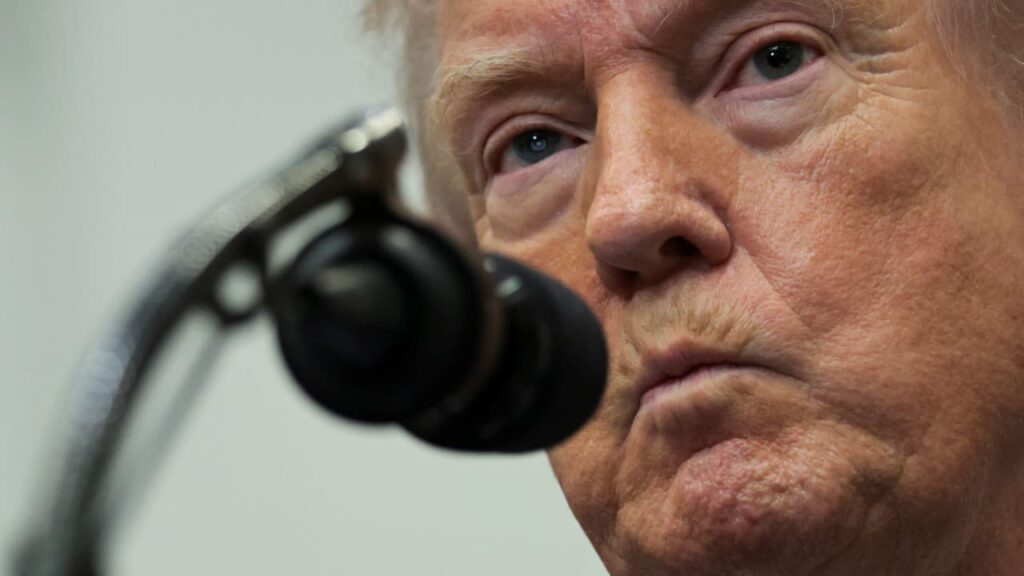
In a significant turn of events within Israeli politics, President Isaac Herzog finds himself navigating a politically charged landscape following U.S. President Donald Trump's recent remarks regarding Prime Minister Benjamin Netanyahu's pardon. On Thursday, Trump publicly criticized Herzog for not yet granting Netanyahu clemency, escalating an already delicate situation within Israel.
Herzog's position is precarious. If he were to grant the pardon, he risks alienating a substantial portion of the Israeli public—approximately half of whom believe Netanyahu should face trial for the legal battles he has faced over the last decade. Conversely, if Herzog denies the pardon, he risks enraging Netanyahu’s supporters, who view the ongoing trials as excessive and long overdue for resolution.
Trump's comments, which echoed his previous calls for Netanyahu's pardon, came shortly after a meeting between the two leaders. During a press conference, Trump stated that Herzog should be “ashamed of himself” and that he believes "the people of Israel should really shame him. He’s disgraceful for not giving it." These remarks reached Herzog during a lengthy flight from Australia to Abu Dhabi, where he had just completed a visit marked by protests demanding his arrest.
The political entanglement has intensified, with Trump—the U.S. president who has positioned himself as Israel’s staunchest ally—placing Herzog in a difficult bind. On one hand, Herzog must consider the implications of ignoring a public rebuke from the American leader. On the other, he must respond in a way that respects Trump’s temperament, particularly given the significance of U.S.-Israel relations.
In response, Herzog's office issued a carefully crafted statement, emphasizing that Netanyahu’s pardon request is currently under review by the Justice Ministry. Herzog assured that any decisions would be based on the law, the welfare of the state, and his conscience, explicitly stating that it would be made without external or internal pressures. “Only after the process is concluded,” the statement read, “will the president examine the request.”
Political Ramifications of Trump's Intervention
Herzog's statement also included a nod of appreciation toward Trump for his contributions to Israel’s security. However, the delicate balance of gratitude and independence was evident, as Herzog reiterated that Israel operates under the rule of law and that no decisions regarding the pardon have been made yet.
Trump’s intervention not only complicates Herzog’s decision-making process but also alters the political narrative surrounding it. If Herzog ultimately decides to grant the pardon, critics may argue that he succumbed to foreign pressure, undermining Israel's sovereignty. Conversely, if he denies the request, Netanyahu's supporters may frame the choice as a direct slight against Trump—a rebuff to an ally during a time of conflict in the region.
The implications of Trump's remarks extend beyond Israeli politics. They raise questions about the future of U.S.-Israel relations as the dynamics shift from legal and ethical considerations surrounding Netanyahu's trials to the motivations behind Herzog's potential decisions. Trump's framing—calling Herzog “disgraceful” while praising Netanyahu—implies a transactional relationship, where Trump is positioning himself as Israel's best ally, suggesting that Herzog owes him for his support.
Moreover, sources close to Herzog expressed suspicions regarding whether Netanyahu orchestrated Trump's comments, particularly given their timing immediately following their meeting in Washington. These allegations, if substantiated, could deepen political divides and complicate Herzog's already challenging position. However, Netanyahu's office denied any coordination, stating that the prime minister was unaware of Trump's comments beforehand.
In politics, perception often trumps reality, and this situation is no exception. Herzog's decision will likely be viewed through a political lens—either as a sovereign act or an acquiescence to external pressure. The ongoing saga illustrates the complexities of governance in Israel, particularly when intertwined with U.S. politics and the personalities involved.
The landscape ahead remains uncertain as Herzog contemplates his next steps. With Trump’s public rebuke echoing in the background, the Israeli president must weigh his actions carefully, balancing public sentiment with international relations in a climate fraught with tension and division.
Only 300 Free Cat Vaccines Available THIS Sunday—Will Your Feline Make the Cut?

Nate Bargatze Stuns Everyone with This Jaw-Dropping Math Blunder at Daytona 500—Can You Guess How Many Feet Are in 500 Miles?

Is Your Portfolio at Risk? 5 Shocking Stock Market Trends You MUST See Now!
LeBron Drops Shocking Truth About His NBA Future—What He Revealed Will Leave You Speechless!

You Won't Believe What BTS's V Eats to Stay Fit—Is This Korean Snack a Hidden Danger?

Why Skidmore's Shocking Rivalry with William Smith Could Change the Liberty League Forever!
You might also like: