
Shocking Smartphone SAR Radiation Levels: Are You Unknowingly Holding a Danger? Find Out NOW!

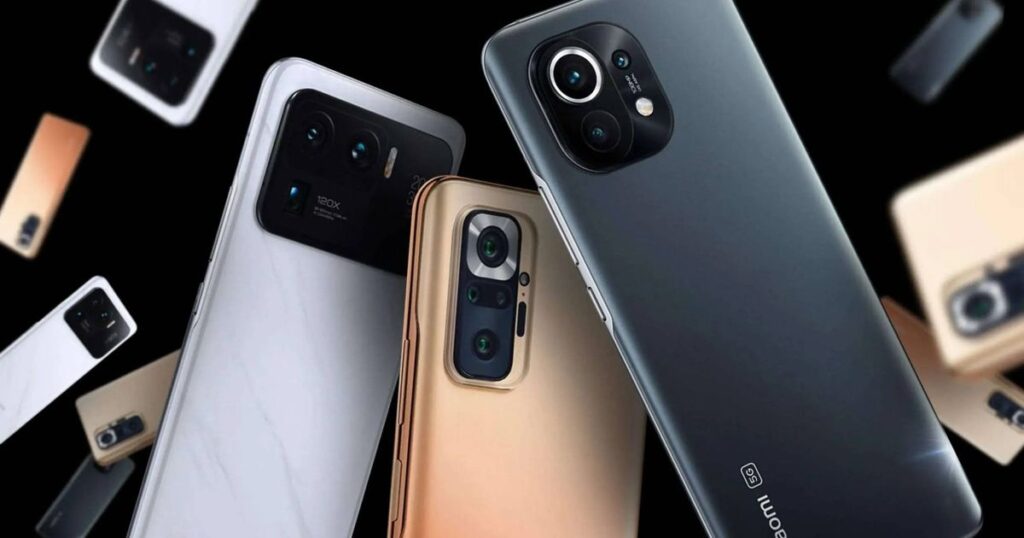
As someone who has navigated the evolution of smartphones since the days of the Philips Twist and Nokia 3310, I can tell you that concerns about radiation were hardly on anyone’s radar back then. We were more focused on playing Snake and showing off our monochrome screens. Fast forward to 2026, and the conversation surrounding mobile phone radiation is becoming increasingly relevant. With AI phones glued to our faces for hours, streaming videos, taking endless calls, and even sleeping with them on our nightstands, it’s time to take the issue seriously.
The SAR (Specific Absorption Rate) index measures how much electromagnetic energy our bodies absorb while using our phones. It’s fascinating—and somewhat alarming—to discover that two phones sitting side by side can have radiation levels that vary dramatically, sometimes by as much as ten times. This means the choice of phone can significantly impact your exposure.
📰 Table of Contents
Decoding SAR
SAR values are measured in watts per kilogram (W/kg). To put it simply, think of it like heating food in a microwave. Different substances absorb heat at different rates, and your body reacts similarly to radio waves emitted by your phone.
In the European Union, limits are set at:
- 2 W/kg maximum for your head (measured on 10 grams of tissue)
- 0.08 W/kg for the entire body
- 4 W/kg for hands and feet
In contrast, the FCC in the U.S. has set its limit at 1.6 W/kg for the head, measured over just 1 gram of tissue. Despite different methods, both aim to keep consumers safe.
However, it’s crucial to understand that the SAR numbers on spec sheets are typically worst-case scenarios. These measurements are taken while the phone is at full power, attempting to reach a cell tower. In reality, especially with a good signal, emissions are much lower. But there’s a catch: the tests assume the phone is held 5-15mm away from the body, a practice that has changed since 1996 when many people used belt clips and holsters. Nowadays, we hold phones directly against our heads or keep them in tight pockets, likely increasing our actual exposure.
After digging through the latest data, I compiled a list of smartphones that currently emit the least radiation. As of February 2026, here are the top contenders:
Top Low-Radiation Phones
- ZTE Blade V10 – 0.13 W/kg
- Samsung Galaxy Note 8 – 0.17 W/kg
- ZTE Axon Elite – 0.17 W/kg
- Samsung Galaxy S23 – 0.16 W/kg
- Samsung Galaxy Note 10 – 0.19 W/kg
- Samsung Galaxy S10 Plus – 0.26 W/kg
- Nokia C21 Plus – 0.40 W/kg
- Motorola One Fusion – 0.40 W/kg
- Samsung Galaxy A20s – 0.35 W/kg
- LG V60 ThinQ 5G – 0.35 W/kg
Samsung dominates this list, with eleven phones among the top thirty. This isn’t by accident; it stems from Samsung’s innovative antenna design. After FCC regulations changed in 2003, Samsung engineers created antennas that direct most radio signals away from the user's head. This clever design has allowed their phones to achieve lower SAR ratings.
When we look at the latest flagship models released in January 2026, the Samsung Galaxy S25 lineup shows impressive SAR ratings:
- Galaxy S25: 1.12 W/kg (head), 0.73 W/kg (body)
- Galaxy S25 Plus: 1.20 W/kg (head), 0.97 W/kg (body)
- Galaxy S25 Ultra: 1.00 W/kg (head), 0.82 W/kg (body)
Samsung’s engineering strategy has shifted the main antenna lower in these models, resulting in reduced exposure to the brain but potentially increasing exposure to the throat and thyroid gland—a trade-off that is still up for debate.
On the other side of the spectrum, Apple’s iPhone 16 series continues the trend of higher SAR ratings:
- iPhone 16: 1.08 W/kg (head), 1.17 W/kg (body)
- iPhone 16 Pro: 1.09 W/kg (head)
- iPhone 16 Pro Max: 1.01 W/kg (head)
While these figures comply with legal limits, they indicate a significant difference compared to lower-radiation smartphones like the ZTE Blade V10. Some older iPhones even faced bans in certain European countries for exceeding radiation thresholds.
Further complicating the situation, an independent watchdog group, Phonegate Alert, tested the Google Pixel 9 and found that actual exposure can exceed regulatory limits when the phone is in direct contact with the body. Their testing revealed SAR values exceeding 2 W/kg in some scenarios. Google’s disclaimer advising users to "use your smartphone sparingly" raises eyebrows about the safety of their devices.
The truth is that while SAR ratings are informative, they don’t capture the full picture regarding actual exposure. Factors like signal strength significantly affect radiation levels. A phone with a SAR rating of 0.20 W/kg could spike to 1.50 W/kg in low-signal areas. This illustrates the importance of considering how and where you use your phone.
Practical measures can significantly reduce your exposure. Using hands-free options, such as Bluetooth or speakerphone, placing the phone away from your body while sleeping, and avoiding long calls in weak signal areas can collectively cut your exposure by 80-90%.
As we look to the future, it’s essential to remain informed. While current standards date back to 1996 and don’t account for the multi-functional capabilities of modern smartphones, awareness is key. The recent shift in how the FDA discusses cell phone safety suggests a growing acknowledgment of the need for updated regulations.
Your smartphone won’t kill you, but understanding the implications of long-term exposure to electromagnetic fields is vital. By being informed about your phone’s SAR rating and adopting healthier habits, you can make choices that prioritize your well-being. Stay safe, and consider using speakerphone more often.
WHO's Shocking Accusation: Is the US Endangering Newborns with Controversial Vaccine Trials?

You Won't Believe How Canton’s Lyndaker Shattered the 4-Minute Mile—What It Means for College Track!

Why Did Proofpoint Just Pay Millions for Acuvity? The Shocking Truth About AI Security Revealed!

Is Pennsylvania on the Brink? Shocking Fallout from the Endangered Species Ruling Revealed!

You Won't Believe What Jennie Kautz Just Revealed About Newmark – This Could Change Everything!
Judge Drops Bombshell on RFK Jr.'s Vaccine Policies—What This Means for Your Family!
You might also like: