
You Won't Believe How the ABA Changed Sports Forever—George Karl Reveals Shocking Details!

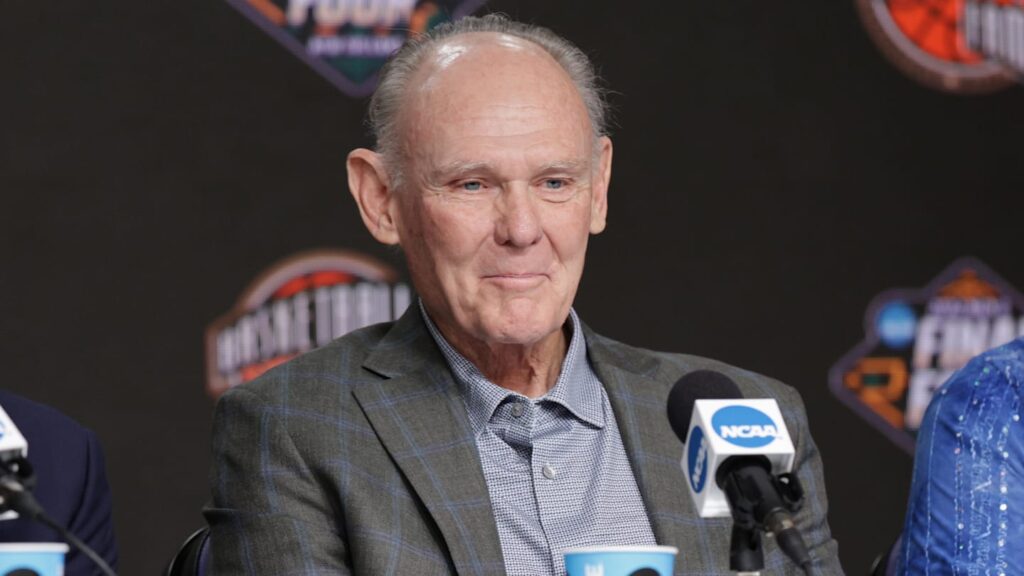
Before George Karl became a renowned NBA head coach, leading teams like the Seattle SuperSonics, Milwaukee Bucks, Denver Nuggets, and Sacramento Kings, he was a talented 6' 2" point guard for the San Antonio Spurs in the then–American Basketball Association (ABA). He played a pivotal role in the early days of the league, which was known for its flamboyant style and innovative play before merging with the NBA in 1976. Today, Karl, who has not coached since 2016, is the executive producer of Soul Power, a four-part documentary chronicling the rise and fall of the ABA, now streaming on Prime Video.
Karl recently sat down for a conversation that touched on the legacy of the ABA, its cultural impact on basketball, and his perspective on the contemporary NBA. He was drafted by both the NBA's New York Knicks and the ABA's Memphis Tams, ultimately choosing to play in the ABA. "The Knicks offered me a one-year guaranteed contract. My agent, Donald Dale, convinced Angelo Drossos of San Antonio to give me a three-year guaranteed contract, and I got in my Porsche and drove from Chapel Hill to San Antonio one late September afternoon," he recalled.
Karl explained how the ABA emerged at a time when many viewed the NBA as "too boring." "I thought the ABA was a godsend for sports, but especially for basketball and especially for the Black athlete," he said. He described the turbulent social climate of the 1960s and early 1970s, marked by events like the Vietnam War and the civil rights movement, which made the ABA's entrepreneurial spirit essential for many players. "I don’t know if I make the NBA with only 12 or 13 teams. With the ABA's emergence, all of a sudden, there were 25 teams, and that opened the door for many players who might not have had a shot otherwise."
One of the key figures who benefited from the ABA was Connie Hawkins, who would go on to become a basketball legend. "Not only Connie Hawkins, but Doug Moe and Roger Brown were also part of that system," Karl noted. "The '70s was a time of civil rights, and basketball was expressing the freedom that our country was searching for." The ABA brought a more diverse array of athletes into the spotlight, contributing to the integration of the sport more rapidly than any other American sport at the time.
A standout memory for Karl was playing alongside the legendary George Gervin, known as the "Iceman." Karl expressed admiration for Gervin's effortless scoring ability, stating, "I think George Gervin might be one of the top five greatest scorers of all time. He made the offensive end of the court look easy." Gervin, who averaged an impressive shooting percentage, showcased the kind of efficiency that made the ABA games exciting.
The ABA was also responsible for popularizing the dunk contest, a highlight of NBA All-Star weekends today. Karl pointed out that athletes like David Thompson and Julius Erving brought an unprecedented level of athleticism to the league. "When we merged with the NBA, we had players who could touch the top of the backboard, and the dunk became a fan-favorite event," he said. However, he acknowledged that the contest's popularity has waned in recent years, as many athletes now hesitate to take risks for fear of underperforming.
As for the current state of the NBA, Karl expressed a mix of optimism and concern. "I’m not pessimistic, but I think we take too many threes. The game has gotten soft a little bit," he said. He believes the league is aware of this issue and is attempting to make the game more physical. "The bigger and faster the athletes are, the better the game will be," he added, emphasizing that while there are many young talents, they need time to mature into champions.
When asked about a player he would have loved to coach, Karl pointed to Nikola Jokić, the Denver Nuggets star who has redefined the center position. "He might be the best point guard in the NBA, and he plays center," Karl noted, highlighting how the game has evolved to allow big men to handle the ball more often than ever before.
Reflecting on the ABA's legacy, Karl lamented that financial issues ultimately led to the league's downfall. "Today’s game probably would’ve made it due to TV money," he explained. "Back then, we were trying to engage communities and build fan involvement." His two wishes for the NBA are simple yet poignant: to incorporate ABA statistics into the NBA records and to bring back the iconic red, white, and blue basketball that the ABA popularized.
Karl concluded with a powerful observation about the impact of the ABA: "The merger integrated basketball faster than any other sport in America. The ABA showed that we could make it work, and it did." As the NBA continues to evolve, the spirit of the ABA remains a vital part of its history, reminding fans and players alike of the transformative power of inclusion and innovation.
You Won't Believe Who Just Got Appointed to the Baker County Board—And What It Means for You!
Morningstar Exposes Shocking Truth: Are Semiliquid Funds Really Safe? Investors MUST Know Now!

Will Ohio's Next Governor Decide the Fate of H2Ohio? Shocking Revelations Inside!

Bitcoin's Throne Shaken: Is THIS New Rival Set to Steal 40% of Its Market Share?

You Won't Believe Which NFL Combine Snubs Could Transform the Broncos' Future—Find Out Now!

Why Lockheed Martin Just Bet Millions on This Unlikely Startup—The Shocking Details Inside!
You might also like: