
NFL's Shocking Move: Why Report Cards Are Gone and What It Means for Players!

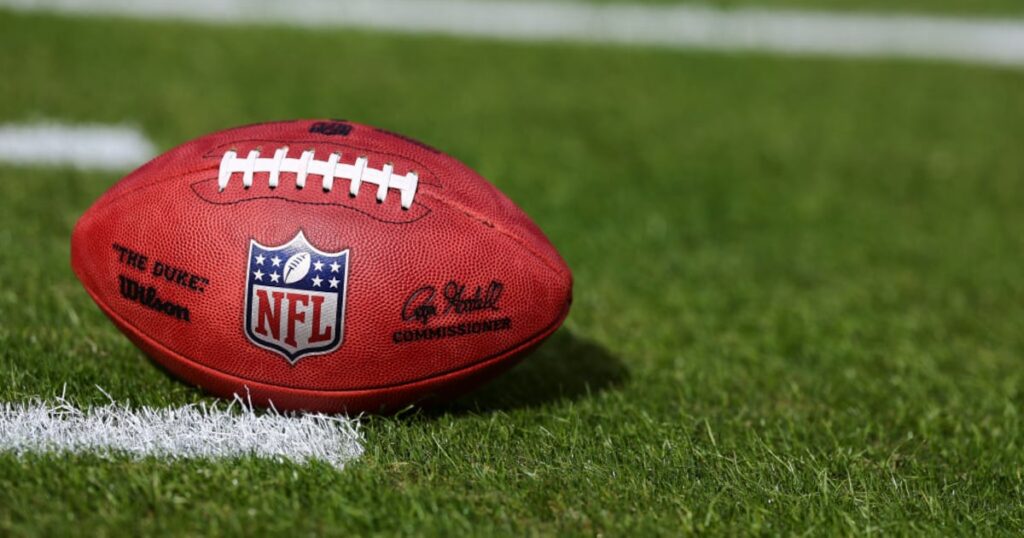
The National Football League (NFL) has recently made headlines after winning a grievance against the NFL Players Association (NFLPA), which effectively prohibits the union from conducting and publishing future player report cards. This decision, confirmed in a memo sent to all NFL clubs, highlights the ongoing tensions between the league and its players’ union over transparency and the portrayal of team environments.
According to the arbitrator’s ruling, the player report cards were found to violate the collective bargaining agreement. The report cards were deemed to “disparage NFL clubs and individuals,” which raises concerns about the balance of power within the league. The arbitrator noted that the NFLPA’s witness and counsel admitted that the union had “cherry-picked” topics and responses to include in the report cards. This suggests a strategic manipulation of data designed to advance the union's interests under the guise of scientific evaluation.
This decision reflects a broader context within the NFL, where perceptions of player welfare and organizational accountability are increasingly being scrutinized. The player report cards were initially introduced as a means for players to provide feedback on their teams and clubs in areas ranging from training facilities to coaching staff. However, the league's contention that the results were biased undermines their intended purpose, casting doubt on the validity of the findings.
The ramifications of this ruling extend beyond just the NFL and NFLPA. It underscores the complex relationship between players and management in professional sports, where the push for transparency and accountability often conflicts with the interests of organizations to maintain a certain image. Players, who are increasingly vocal about their experiences both on and off the field, may view this ban as a setback in their quest for a more open dialogue regarding workplace conditions.
The broader implications of the ruling could also influence other professional sports leagues. As athletes become more empowered to speak out about their experiences, the need for objective measures of workplace conditions and player satisfaction becomes even more crucial. This ruling raises questions about how other leagues will navigate similar disputes and ensure that players have a voice in evaluating their work environments.
As the NFL navigates this contentious issue, it remains to be seen how the balance of power will shift in the future. With players increasingly demanding accountability and transparency, the league may need to find new ways to foster open communication while also protecting its interests. The outcome of this grievance highlights the ongoing struggle for player rights and the evolving dynamics of professional sports in America.
Massive Health Grants in Jeopardy: What Trump Officials Don’t Want You to Know!

You Won't Believe the 10 Craziest Knicks Moments from NBA All-Star Weekend—#3 Will Shock You!

Will You Regret Missing This? 7 Unforgettable Valentine's Weekend Events at Bankhead!

Apple's Shocking Comeback in China's Smartphone Market: What They're Not Telling You!

You Won't Believe What Hawks' 'Dancing DJ' Chika Takai Is Planning for All-Star Weekend!

Shocking Turn of Events: How RSF's Rec Soccer Program Could Disappear Overnight!
You might also like: