
Measles Outbreak Shocks Parents: Are Your Kids Safe Without This Crucial Booster?

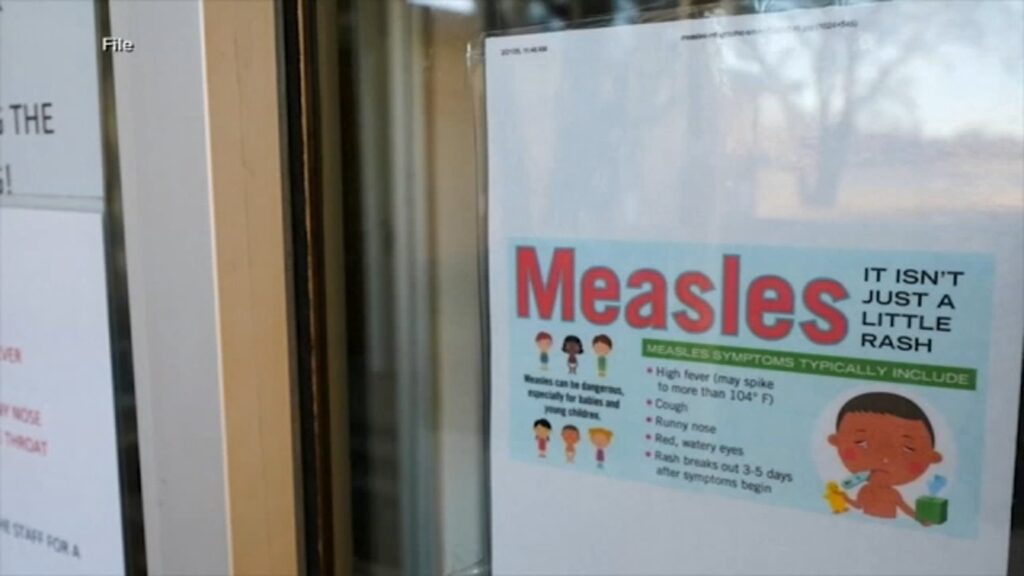
RALEIGH, N.C. — As concerns mount regarding the rise of measles exposures in the Triangle area, families, particularly those with immunocompromised members and young children, are feeling increasingly vulnerable. Wake and Durham County officials recently alerted the public about potential measles exposures, and Johnston County confirmed a case involving a local resident. Just a day later, Orange County officials also announced possible exposures in their region.
One Raleigh resident, Shannon Dingle, is a single mother of six children, most of whom are immunocompromised. "We are just trying hard to stay healthy," Dingle shared. "All of them have some degree of disability, which just makes them more susceptible to the measles or anything else that's going around." Her fears are echoed by other parents who, like Dingle, are concerned about their children's health amid rising measles cases.
Dingle explained her unique situation, stating, "There's parents like me, single parents who aren't healthy enough to be exposed to the measles. I can be vaccinated, but because of my immunosuppressive medications, I have to take for one of my conditions, I don't have as strong of a response to vaccines as other people do." This highlights the larger issue of how immunocompromised individuals and those with underlying health conditions are affected by outbreaks, as they depend on the broader community to maintain high vaccination rates.
Dr. Tom Moody, a pediatric infectious disease professor at Duke University, emphasized the importance of caution for families with immunocompromised members. "Make sure that you're being careful about being exposed to people," he advised. "So that includes just the normal things, like wash your hands. If you know somebody's sick, don't go to their house." He also pointed out that the best protection against measles is the MMR vaccine, which has proven effective at providing long-lasting immunity. "We have really good data that the immunity that you get to measles lasts for your whole life," Dr. Moody stated.
The MMR vaccine is typically administered to children starting at one year of age, with a second dose usually given around four to six years old. For infants aged six to eleven months, early vaccination can be considered with a doctor’s approval, especially if they are traveling to areas with high measles rates. Dr. Moody also clarified that while a booster dose isn’t usually necessary, families should consult with their healthcare providers to discuss individual risks and needs.
For Dingle, the stakes are personal. She urges the community to do its part in protecting families like hers. "We as a family always have like a puzzle going," she said, emphasizing the interconnectedness of community health. "If you are someone who's like a single piece, who is making decisions just for your single piece, that totally separates you from the fact that you're part of something bigger." This "something bigger," as she describes it, is herd immunity, which is crucial for safeguarding those who cannot be vaccinated due to health reasons.
To achieve herd immunity against measles, a community vaccination rate of around 95% is necessary. In Wake County, public health officials report that the measles vaccination rate currently sits at 94%. This close figure raises alarms among health experts and families alike, as even a slight dip below the threshold can increase the risk of outbreaks.
As the Triangle grapples with these challenges, the message is clear: community protection is vital. Individuals are encouraged to stay informed, maintain good hygiene practices, and discuss vaccination options with their healthcare providers. As Dingle and her family navigate these uncertain times, the hope is that others will join in the effort to secure a healthier environment for all, especially the most vulnerable among us.
You Won't Believe How Justin Herbert's Latest QB Ranking Could Change the NFL Forever!

Monroe County’s Election Chaos: North Showers Takes Over—Will You Be Ready by April 5?
N.H. Lawmakers on Verge of Shocking Decision: Could This Hepatitis B Move Endanger Thousands?

Nikola's SHOCKING NBA Debut: Will He Outshine Giannis and Change the Game Forever?

Vanderbilt's Shocking NIL Overhaul: What Athletes Could Lose—You Won't Believe the Details!

Home Sales Plummet Despite Record Low Rates—Is Your Dream Home Slipping Away? Discover Why!
You might also like: