
Why Are Environmental Groups Outraged Over Governor McKee's Shocking Renewable Energy U-Turn?

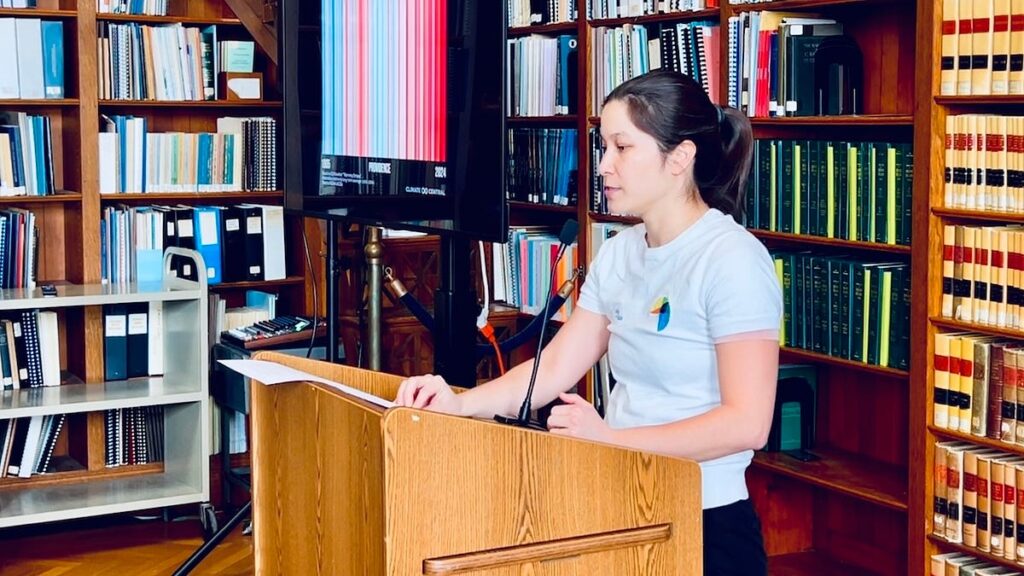
Environmental advocates, state legislators, and labor leaders gathered at the Rhode Island State House recently to voice their opposition to Governor Daniel McKee’s proposed budget, which many believe undermines the state’s clean energy initiatives. The event was organized by groups including the Acadia Center, Climate Action Rhode Island, and the Green Energy Consumers Alliance.
Critics of the Governor's plans argue that slowing the transition to clean energy sources is a shortsighted strategy that jeopardizes long-term affordability and economic competitiveness. Emily Howe, state director for Clean Water Action, emphasized the importance of investing in energy efficiency, stating, “The investments we make today in energy efficiency make homes more comfortable, use less energy, and reduce energy demand, resulting in lower costs for all ratepayers.”
Emily Koo, a senior policy advocate at the Acadia Center, added that “cutting clean energy doesn’t protect Rhode Island ratepayers. It protects an outdated energy system and keeps us dependent on dirty, expensive fossil fuels.” Koo pointed out that the so-called state mandates, such as the renewable energy standard, are critical in reducing electricity bills by addressing the “largest and fastest-growing component” of utility costs.
Interestingly, McKee’s policy decisions have found support among some groups, particularly Senate Republicans. Senate Minority Leader Jessica de la Cruz stated, “It is good to know the Governor supports our advocacy… Now is the time to put partisanship aside and correct the failed policies that have given rise to some of the highest electricity rates in the country.” However, she and her colleagues also criticized the current mandates, arguing that they place undue financial burdens on ratepayers.
Senate Minority Whip Gordon Rogers further criticized the Governor's approach, stating, “Rhode Island’s mandates on renewable energy rely heavily on taxpayer-funded subsidies… if the Governor’s efforts do not include a full repeal of mandates and a significant reduction in taxpayer subsidies, then he is gaslighting the people of Rhode Island.”
Despite the backlash, there are indications that Governor McKee may reconsider some of the provisions in his recent executive order. Joe Walsh, Business Manager of IBEW Local 99, expressed cautious optimism, saying, “I believe the governor’s listening. I think he made some decisions that he may not have had all the information on, and I think he’s rethinking it.” He noted the Governor’s commitment to renewable energy and better-paying jobs as promising signs for future collaboration.
Advocates stress the urgent need for a sustainable energy transition, especially as the impacts of climate change become increasingly evident. Howe pointedly remarked, “We can’t afford not to” transition toward renewable energy, highlighting the volatile nature of natural gas prices and the costly consequences of severe weather events now threatening Rhode Island.
The governor’s proposed budget faces scrutiny for three key provisions that could hinder the state’s renewable energy goals: a punitive grid access fee, delays in the renewable energy standard, and significant cuts to energy efficiency programs, which would cap investments at $75 million per year—48% below the previous five-year average. These changes, according to Koo, would ultimately harm ratepayers rather than help them.
Representative Lauren Carson acknowledged the challenges ahead, emphasizing that the upcoming decisions must be grounded in science and focused on long-term goals set by the Act on Climate. She underscored the importance of maintaining the commitment to cut carbon emissions, stating, “We must keep the promise in the Act on Climate.”
As the debate around energy policies continues, Rhode Island finds itself at a crossroads. The voices of environmental advocates, labor leaders, and legislators are increasingly calling for a unified approach to sustainable energy solutions that prioritize both affordability and environmental responsibility. The state’s future in clean energy does indeed depend on the decisions made today, and as Walsh noted, the Governor has a unique opportunity to lead in this crucial moment.
You Won't Believe What Happened at the Super Bowl LX Halftime Show Rewatch Party—Find Out Why Everyone's Talking!
Is Your Browser Putting You at Risk? 7 Shocking Facts You NEED to Know NOW!
Archie Williams' Unbelievable Comeback: How He Shocked Everyone in the Final Moments!
You Won't Believe What Meridian Plans to Do with $17M—The Future of Finance is at Stake!

You Won't Believe How Bedford's 23 Points Led Virginia Tech to Upset No. 20 Clemson – Find Out the Shocking Details!

You Won't Believe What Robert Lichter Revealed Before His Big Honor at LI Music Hall!
You might also like: