
RSV Vaccine Slashes Infant Hospitalizations by 75%! What Every Parent MUST Know NOW!

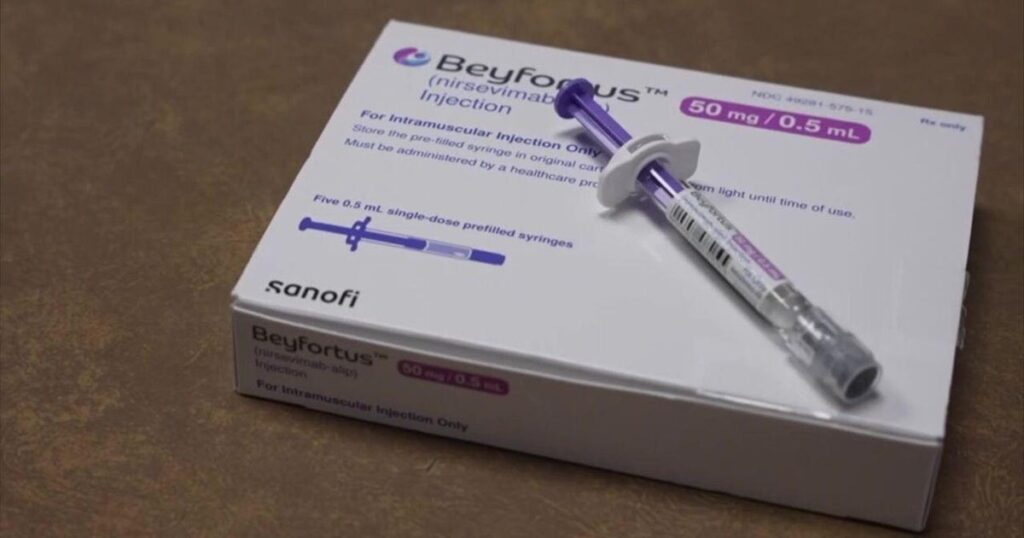
This viral season has been particularly harsh, with a significant increase in respiratory syncytial virus (RSV) cases reported in New York. However, doctors at Northwell Health are seeing a silver lining: infant hospitalizations related to RSV remain unusually low. The reason for this positive trend? A relatively new vaccine, which is administered during the RSV season that runs from September to March.
📰 Table of Contents
Understanding the Risks of RSV
RSV poses the greatest danger to infants, particularly those under the age of one. According to Dr. Annemarie Stroustrup of Cohen Children's Medical Center, "It's usually given early in infancy and that's just because it's most effective. You want to make sure that the medicine gets into the baby before the baby gets the disease, and we know that RSV is most dangerous for children the younger they are." Dr. Stroustrup highlights that RSV is the leading cause of hospitalization for infants in the U.S.
During peak RSV seasons in prior years, Cohen's would admit approximately 250 to 300 patients per month. This year, that figure has dramatically dropped to fewer than 50 per month. Dr. Stroustrup credits the vaccine for this significant decrease, indicating its effectiveness in protecting young children from severe illness.
Parents are taking notice. For example, Emily Bridgen-Mannino, a NICU nurse, and her partner, both of whom work at Cohen Children's Medical Center, chose to vaccinate their 17-month-old daughter, Shay. Bridgen-Mannino said, "My nephew had RSV and he was admitted to the hospital for over a week, so when we saw that, we kind of knew this was something that we really didn't want her to get." The personal experience of witnessing RSV's impact on infants has led many parents to view vaccination as a "no-brainer."
The Importance of Vaccinating Pregnant Women
The RSV vaccine, first introduced in late 2023, is now widely available and includes a monoclonal antibody for babies and a vaccine specifically designed for pregnant women. Doctors are beginning to see a significant impact from its adoption. Dr. Agata Kantorowska of Katz Women's Hospital at Long Island Jewish Medical Center reports, "We've found that moms who get the RSV vaccine, their babies are significantly less likely to need to see a healthcare provider for RSV. Their risk of being hospitalized for RSV is about half, and most importantly, their risk of ending up in the ICU is 82% less."
Expectant mothers like Anayat Ghotra are encouraged to get vaccinated for their own health and that of their unborn child. Ghotra shared her perspective: "If you can do something to prevent your baby from being super sick, we should do it." This proactive approach to maternal healthcare underscores the vital role that vaccination can play in safeguarding the health of both mothers and infants.
As RSV cases rise, public health officials stress the importance of vaccination in preventing severe illness, especially among vulnerable populations like infants and pregnant women. The positive outcomes observed this season illustrate the potential benefits of widespread vaccination efforts, paving the way for a healthier future for our youngest citizens.
Messi's Shocking Injury: Will Miami's Preseason Finale Be Catastrophic? Fans Are Panic-Stricken!
You Won't Believe Who Just Threw Their Weight Behind Evette in the SC Governor's Race!

Shocking Job Alert: Earn $100K+ as a Policy Researcher – But Only If You Meet THIS Requirement!

Crypto Crash Alert: Why Experts Say THIS $200 Billion Decline Could Lead to a Game-Changing Comeback!
Access Denied? You Won't Believe What Happens Next—This Shocking Truth Could Change Everything!

Trump's Shocking Directive: Could Coal Power the Military's Future? You Won't Believe the Fallout!
You might also like: