
Pennsylvania’s $1.5 Billion Gamble: Will Skill Games Survive the Governor’s Budget Shock?

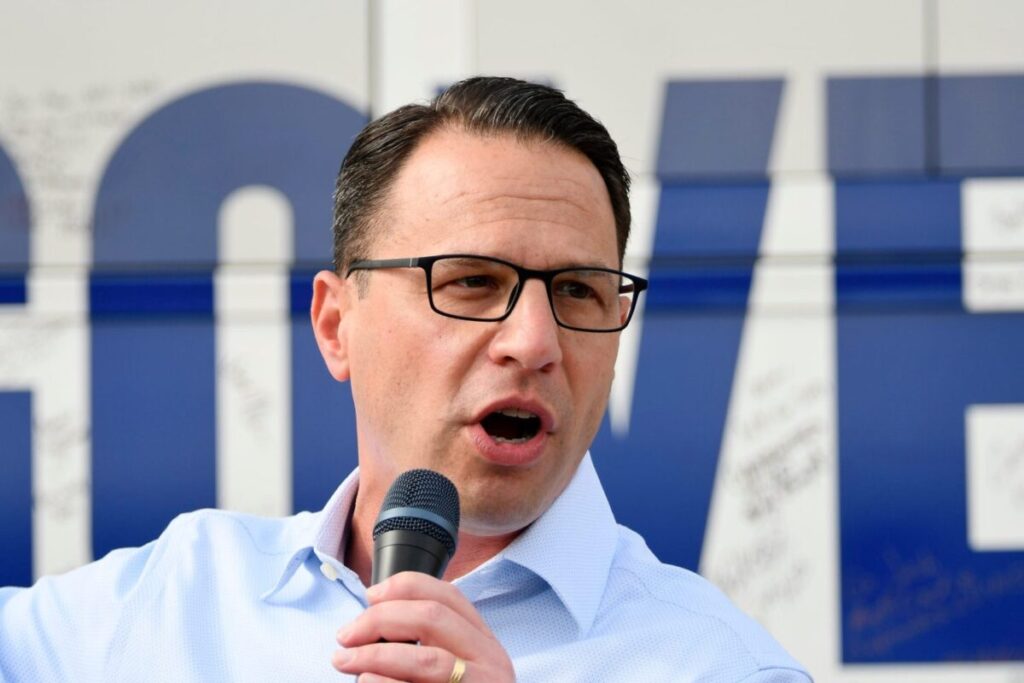
Pennsylvania Governor Josh Shapiro has once again prioritized skill games in his budget proposal for the 2026/2027 fiscal year, marking the third consecutive year that he has sought to address the regulation and taxation of these machines. Despite his efforts over the past two years, Shapiro has yet to yield any substantial revenue from this initiative. In his latest budget brief, he continues his push for a proposed 52% tax on skill games, which he estimates to number around 40,000 machines operating in the state.
Retail casino executives have consistently pointed fingers at skill games for stunted growth in their sector, arguing that the widespread availability of these machines undermines traditional casino revenue. Conversely, manufacturers of skill games counter that it is the rise of Pennsylvania’s online casinos that poses a more significant threat to their profitability.
This ongoing dispute underscores a crucial tension within the state's gambling landscape. While retail casinos are facing pressures from new forms of competition, the burgeoning popularity of skill games and online platforms complicates the revenue picture for both traditional establishments and the state government.
Governor Shapiro’s emphasis on skill games reflects a broader trend in states nationwide, where lawmakers are grappling with how to regulate and tax emerging forms of gambling. The proposal aims to create a regulatory framework that, if successful, could bring in much-needed tax revenue. However, the lack of fruitful negotiations and tangible results in previous years casts doubt on whether this year’s proposal will fare any better.
Understanding the implications of this ongoing struggle is essential for Pennsylvania residents. If implemented, the proposed tax could raise significant funds for public services, which are often funded through such revenues. However, the potential backlash from both casino operators and skill game manufacturers could hinder the proposal's passage and its long-term viability.
The conversation surrounding skill games and online gambling is not merely a local issue; it reflects a nationwide discourse on the evolution of gambling regulations. States across the U.S. are observing Pennsylvania’s moves closely, given the potential implications for their own budgets and regulatory practices. As the landscape continues to evolve, how Pennsylvania navigates this situation might set a precedent for other states grappling with similar challenges.
As it stands, the state finds itself at a crossroads, with the potential for major fiscal implications resting on the outcome of Governor Shapiro's budget proposal. While the regulatory environment for skill games remains fraught with challenges, the pressing need for tax revenue makes this a pivotal moment in Pennsylvania's gambling history.
You Won't Believe What Happened During These 12 Super Bowl National Anthem Performances!
Shocking Reasons Why Gov. Moore Was Disinvited by the White House—You Won’t Believe What He Said!

Suns' SHOCKING Meltdown: Did Joel Embiid's Flopping Cost Them the Playoff Spot? You Won't Believe the Stats!

Is This the Point of No Return for Our Planet? Shocking Climate Data Reveals Alarming Truth!
Shocking NFL Shakeup: Why Jim Schwartz’s Resignation Could Change the Browns Forever!

Is Bayern Munich's Josip Stanišić on the Brink of a Shocking Comeback? You Won't Believe the Stats!
You might also like: