
Outrage Erupts Over US-Funded Vaccine Trial on Babies in Guinea-Bissau—What They Aren’t Telling You!

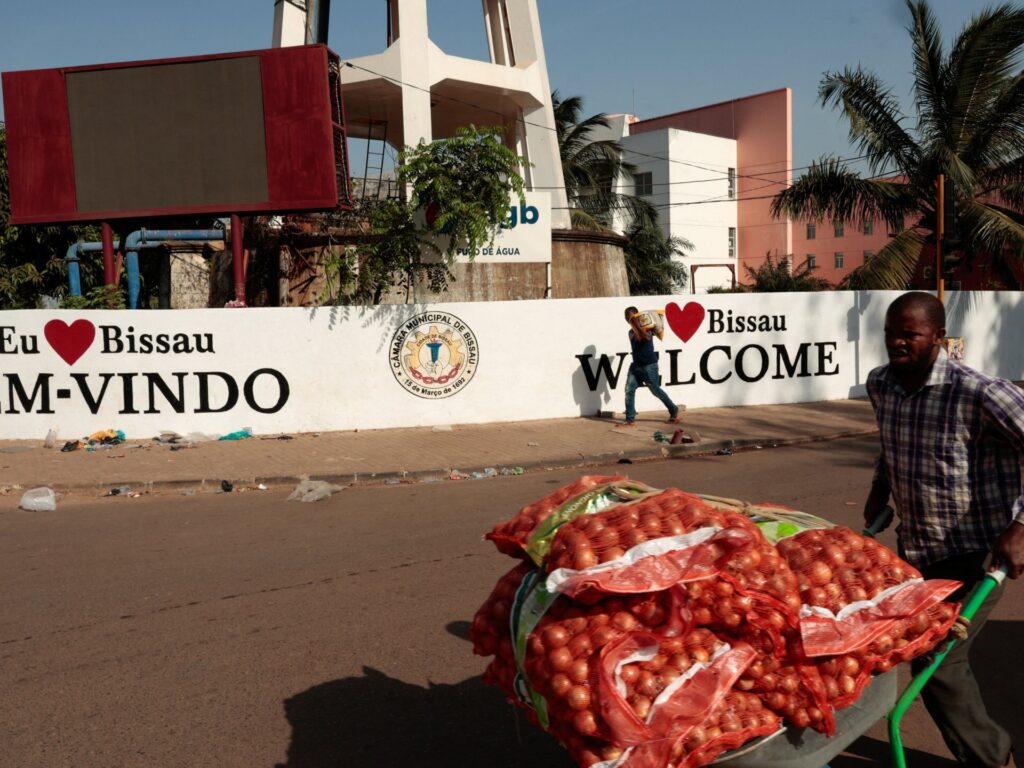
Recently, plans for a controversial vaccine trial in Guinea-Bissau, a West African nation, faced significant backlash, leading to a suspension of the study. The trial, funded by the United States, aimed to evaluate the timing of hepatitis B vaccinations in newborns. Researchers intended to administer the vaccine to 14,000 babies at two different intervals: half at birth and the other half at six weeks old. Their goal was to analyze the health outcomes of these two groups over five years.
However, following the announcement, widespread outrage emerged from the international health community, primarily concerning the ethical implications of the study. Critics argued that it was unethical to withhold a life-saving vaccine from newborns, even temporarily, especially in a country with one of the highest rates of hepatitis B virus (HBV) infections. The Guinea-Bissau government officially suspended the trial on January 22, pending a thorough review.
Magda Robalo, a former health minister of Guinea-Bissau, expressed profound disappointment that such a study was approved without proper oversight. She noted that while a small ethics committee within the health ministry was aware of the trial, the national public health institute, which should have been involved, was not informed. Robalo emphasized, “They took advantage of the fact that Guinea-Bissau does not have a very strong research capacity.”
The gravity of the situation is underscored by the fact that, according to the World Health Organization (WHO), hepatitis B resulted in approximately 1.1 million deaths worldwide in 2022. Babies are particularly vulnerable due to their weaker immune systems, and HBV generally spreads through body fluids, often passed from infected mothers during birth or breastfeeding. The WHO strongly recommends that infants receive the hepatitis B vaccine at birth, followed by additional doses, to provide lifelong protection.
In Guinea-Bissau, with a population of 2.2 million, about one in five people are infected with HBV. Traditionally, the country has administered the vaccine six weeks after birth, largely due to shortages of doses. However, starting in 2028, a new budget is expected to support vaccinations at birth.
The Danish researchers involved in the trial, affiliated with the Bandim Health Project at the University of Southern Denmark, argue that their study is timely. They claim it will utilize the remaining time before Guinea-Bissau adopts the new vaccination schedule to recruit participants. Importantly, they note that many babies in the study would receive the at-birth vaccine for the first time. Nevertheless, critics like Robalo maintain that withholding the vaccine, even for a short time, is unjustifiable.
“It is unethical to deny children an intervention that we know works,” Robalo stated.
Ethics surrounding the trial are not the only concern; the researchers have faced scrutiny regarding their past studies. Christine Stabell Benn and Peter Aaby, both prominent in Danish scientific circles and associated with the Bandim Health Project, have previously investigated vaccine effects and have been accused of downplaying significant findings. For instance, a 2014 WHO review questioned the credibility of their conclusions linking vaccines to higher child mortality rates, particularly among girls, while still recommending ongoing vaccinations.
Questions about the current study’s methodology have also arisen. Critics point out that hepatitis B infections can manifest long after the five-year duration of the study, meaning the full effects of delaying the vaccine may never be known. The researchers plan to conduct the trial as an “open-label” study, where both organizers and participants are aware of who receives the vaccine, a method typically criticized for potential bias.
Despite the backlash, Benn and Aaby have defended their research, stating they do not intend to withhold vaccinations from children who need them. They assert that their study will ultimately result in more children receiving the vaccine, albeit not immediately.
Controversial Funding and Historical Context
Adding to the complexity of this situation is the source of the study’s funding. The Bandim Health Project received $1.6 million from the U.S. Centers for Disease Control (CDC), led by Health Secretary Robert F. Kennedy Jr. (RFK Jr.), known for his skepticism surrounding vaccines. This funding bypassed the usual competitive process, raising further concerns about oversight and ethical rigor, especially given RFK Jr.’s controversial stance on vaccine safety.
This scenario echoes a painful history of medical trials conducted in low-income countries, often with little regard for ethical standards. The infamous Tuskegee syphilis study, which left many African American men untreated while observing the disease’s progression, is a stark reminder of the vulnerabilities faced by marginalized communities in medical research. In Nigeria, a Pfizer trial during a meningitis outbreak resulted in severe adverse effects and deaths among participating children, contributing to ongoing vaccine hesitancy in the region.
As the debate around the Guinea-Bissau trial continues, former health minister Robalo has reiterated the need for respect and integrity in medical research. “We are not second-level citizens,” she asserted, underscoring the importance of ethical considerations and local input in conducting trials in developing countries.
The outcome of this situation not only has implications for the future of vaccine research in Guinea-Bissau but also reflects a broader discussion about ethics, power dynamics, and trust in global health initiatives. As the international community watches closely, the need for informed, ethical approaches in medical research remains paramount.
Amazon's Shocking $61M Cincinnati Deal: What This Means for Local Jobs and Your Wallet!

4 Shocking Reasons Why Your Next Phone MUST Be Foldable—#3 Will Leave You Speechless!

Crypto Firm's Shocking $40 Billion Mistake: Did Your Wallet Get a Surprise Windfall?

Mansfield’s Hidden Secrets: 7 Shocking Differences You Never Knew About – Don’t Miss Out!
Minnesota's Somali Community Faces Alarming Measles Surge: Are Autism Fears Making It Worse?
Billionaire Uprising: Why One Founder Claims California's Wealth Tax Could Spark a $1 Billion March!
You might also like: