
Unlocking Your Survival: Can Lung Health Determine Your Cancer Recovery Fate? Shocking Stats Inside!

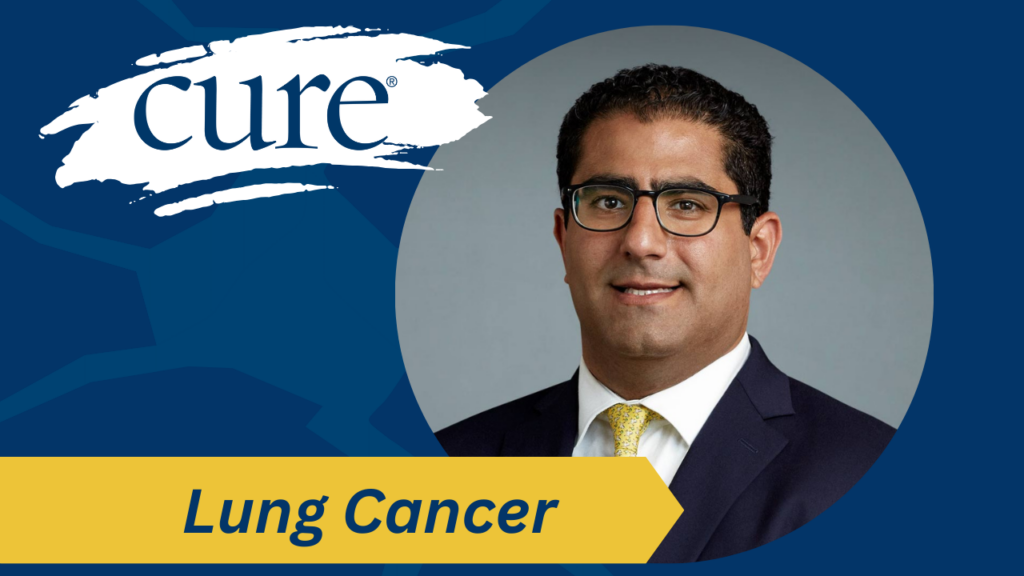
In the fight against cancer, surviving the disease is only part of the battle. Lung health remains a critical focus for cancer survivors, as emphasized by Dr. Joshua Sabari, a thoracic medical oncologist at NYU Langone Health’s Perlmutter Cancer Center and editor-in-chief of CURE magazine. He highlights that treatments like surgery, chemotherapy, radiation, and immunotherapy can have lasting, often detrimental effects on lung function, making post-treatment care essential.
Dr. Sabari explains that various treatments impact the lungs differently. For example, surgeries such as lobectomies—the removal of an entire lobe of the lung—can significantly reduce breathing capacity. Radiation therapy can lead to scarring of lung tissue, while systemic treatments, including chemotherapy, may impair the blood vessels responsible for oxygen transfer into the bloodstream. Since lung tissue does not regenerate, protecting the functioning parts of the lung becomes crucial for overall health.
To maintain lung strength, Dr. Sabari recommends regular physical activity, suggesting survivors engage in at least 30 minutes of walking several times a week. He stresses the importance of promptly reporting any new symptoms such as shortness of breath, persistent cough, or chest pain to a healthcare team. Follow-up care often includes CT scans and pulmonary function tests, which are important for monitoring recovery and lung health.
📰 Table of Contents
Understanding Long-term Lung Health Risks
Many cancer treatments can affect lung health, and understanding these effects is vital for survivors. As Dr. Sabari states, "A lot of treatments can affect both the heart and the lung, particularly systemic chemotherapies and immunotherapies." For instance, chemotherapy can lead to vascular changes that impede oxygen exchange, while radiation can scar lung tissue, particularly when targeting nodules or lymph nodes in the chest. Immunotherapy, which aims to enhance the immune system's ability to fight cancer, can ironically cause the body’s immune response to attack normal lung tissue, potentially resulting in scarring that hinders lung function.
For cancer survivors, recognizing the symptoms that warrant medical attention is crucial. New-onset shortness of breath, a worsening cough, or chest pain should prompt immediate discussion with healthcare providers. Normal recovery should show gradual improvement; if symptoms persist or worsen weeks after treatment, it may indicate complications requiring further evaluation.
Specific groups, such as those with a history of smoking or prior chest radiation, are at increased risk for lung complications. Dr. Sabari points out that individuals who smoke tend to experience higher rates of chronic obstructive pulmonary disease (COPD) and emphysema, conditions detrimental to lung function. Furthermore, patients who have undergone extensive radiation therapy are susceptible to pulmonary issues. This is particularly relevant for those treated for lymphoma or lung cancers, as large radiation fields can damage healthy lung tissue.
Monitoring and Follow-up Care
Post-treatment, the importance of ongoing monitoring cannot be overstated. Dr. Sabari recommends regular follow-ups with a medical oncology team to assess lung function through CT scans and pulmonary function tests. These tests help evaluate the capacity of the lungs and their ability to efficiently exchange oxygen with the bloodstream. Additional assessments may include cardiac evaluations, especially if patients experience symptoms indicating potential heart complications due to earlier treatments.
The road to recovery post-cancer treatment can be fraught with challenges, but with informed care and proactive health management, cancer survivors can enhance their lung health and overall well-being. As Dr. Sabari aptly puts it, “Keeping your lung function sort of up, keeping your lungs expanded, is really, really important for your lung health.”
For those navigating the complexities of cancer survivorship, understanding the lasting implications on lung health is vital. Staying informed and proactive can considerably influence quality of life long after treatment ends.
For more updates on cancer research and education, consider subscribing to CURE®’s newsletters.
You Won't Believe Why Colts Fans Say Their Gameday Experience is the BEST in the NFL!

Trump's Shocking Endorsement: Why Japan's Takaichi Could Change Everything Before March!

NBA Trade Grades: Shocking Trades You Won't Believe Happened – Are Your Favorite Players Safe?

Unstoppable Cardinal Newman Girls Shatter League Records: Can Anyone Stop Their Historic Run?
Shocking Data Reveals How Local Politics Fueled a 40% Surge in COVID Vaccine Uptake—Are You at Risk?

You Won't Believe What Watro's Cursive Bill Could Mean for Your Child's Education—Find Out Now!
You might also like: