
Breakthrough Alert: First-Ever SARS Vaccine Human Trials Could Change Everything—Are You Prepared?

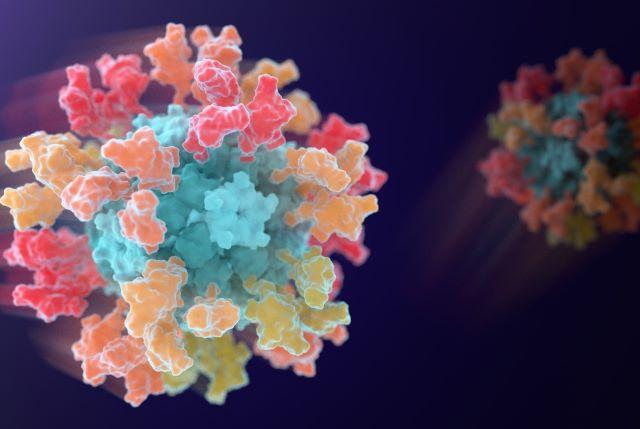
A promising new vaccine aimed at offering broad protection against COVID-19 and related coronaviruses has commenced human clinical testing in Australia. This vaccine, known as GBP511, is a result of advanced self-assembling nanoparticle technology developed by researchers at the University of Washington (UW) Medicine and its Institute for Protein Design. The South Korean pharmaceutical company SK bioscience is spearheading the vaccine's transition into human trials.
Neil King, associate professor of biochemistry at UW Medicine and co-inventor of the nanoparticle platform, stated, “GBP511 is the first vaccine to reach human testing that is intended to protect against multiple strains of the virus that causes COVID-19 as well as related coronaviruses with the potential to spark dangerous outbreaks.” This clinical trial marks a significant advancement in vaccine development, focusing on protecting against entire families of viruses, rather than just specific strains.
Coronaviruses have been the culprits of three major disease outbreaks over the last two decades: SARS (severe acute respiratory syndrome), MERS (Middle East respiratory syndrome), and COVID-19 (coronavirus disease of 2019). The group of coronaviruses known as sarbecoviruses includes SARS-CoV-2, responsible for the COVID-19 pandemic, SARS-CoV-1, which caused the 2002-2004 outbreak, and MERS-CoV, which is transmitted primarily by camels and can infect humans.
The innovative core of GBP511 is a computer-designed protein particle that does not exist in nature. Researchers at UW Medicine have ingeniously attached four immune-system cues from different coronaviruses that include two from SARS-CoV-2, one from SARS-CoV-1, and one from a bat coronavirus, BtKY72. “The beauty of this approach is that by presenting the immune system with multiple related antigens at once, we can train it to recognize features that are conserved across the entire sarbecovirus family,” explained David Veesler, professor of biochemistry at UW Medicine and a Howard Hughes Medical Institute Investigator, who led the preclinical studies. “That’s exactly what you need to prepare for unpredictable future threats.”
In preclinical studies, GBP511 was shown to protect animals from related viruses that they had not been specifically immunized against. The international Phase 1/2 trial, which began enrolling participants last month, is set to evaluate the vaccine's safety and immune responses in approximately 368 healthy adults in Perth, Western Australia. Notably, the study will also include comparisons with Comirnaty, an mRNA COVID vaccine currently in use. Results from this trial are expected by 2028.
SK bioscience's CEO, Jaeyong Ahn, emphasized the importance of this development, stating, “Developing a universal sarbecovirus vaccine is a critical challenge that must be addressed to prepare for the next pandemic.” GBP511 builds upon the technology validated through SKYCovione, which became the world’s first computer-designed medicine to achieve regulatory approval in 2022. This groundbreaking method of vaccine design was pioneered by the King and Veesler labs at UW Medicine, further developed by SK bioscience.
The underlying nanoparticle platform has been validated through peer-reviewed studies, including a 2021 publication in the journal Cell, which demonstrated that animals immunized with multivalent nanoparticle vaccines were protected against coronaviruses not included in the vaccine itself. A subsequent 2025 preprint describes the preclinical work leading to GBP511. Support for the GBP511 program has been bolstered by the Coalition for Epidemic Preparedness Innovations (CEPI), which has provided approximately $65 million in funding.
In addition to GBP511, other vaccines utilizing this advanced platform are under development, including FluMos-v2, a next-generation influenza vaccine candidate currently in Phase 1 clinical trials at the NIH. FluMos-v2 aims to display antigens from six influenza strains, expanding on the four-strain approach used in the earlier FluMos-v1 vaccine, with the goal of enhancing protection against future flu outbreaks.
The advancement of GBP511 signifies a pivotal moment in global health, as researchers aim to provide a broader and more effective response to the ever-evolving landscape of viral threats. As the world continues to grapple with COVID-19 and the potential for future pandemics, such innovative solutions become increasingly crucial in safeguarding public health.
College Football Playoff Dates Revealed: Will Your Team Survive the Shocking Quarterfinals?

Why February 2026 Was a Game-Changer for Sports Law: Shocking Deals & Controversies You Won't Believe!

You Won't Believe How X's New Poll Feature Could Change Your Online Experience Forever!

Congress Shockingly Ends Shutdown—But What’s the Hidden Cyber Strategy That Could Change Everything?

Massive PlayStation Store Update Drops February 3, 2026—Are You Ready for the Shocking Surprises?

Gustavo Petro's Shocking Confession After White House Visit: What He Revealed Will Change Everything!
You might also like: