
The Shocking Snack Revolution: How GLP-1s Are Making Fiber the New Snack King—You Won't Believe the Results!

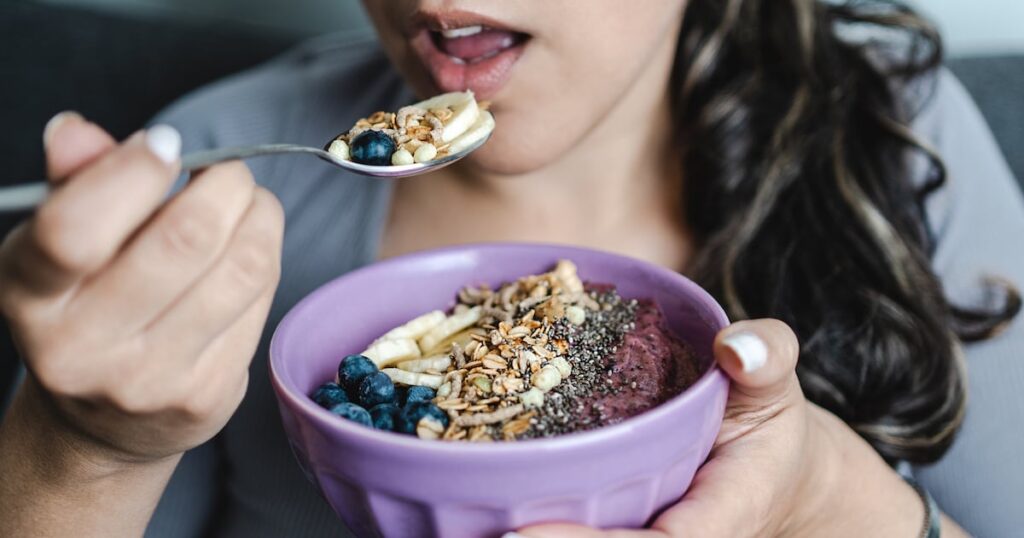
GLP-1 appetite suppression medications are fundamentally altering American snacking habits, indicating a significant shift from impulsive eating to more deliberate, functional choices. As these drugs become more prevalent, consumers are increasingly prioritizing snacks that provide a sense of satiety in smaller portions, reshaping the snack industry landscape.
Traditionally, the rise of protein-packed snacks dominated the market, with many products boasting extra grams of protein to satisfy consumer demand. However, GLP-1 drugs have disrupted this trend by suppressing appetite and slowing digestion, leading to less frequent but more intentional eating. As a result, snacks are no longer merely impulse buys; they are seen as essential gap-fillers or meal replacements, prompting consumers to seek reassurance that their food choices will satisfy without causing discomfort.
This transition has given rise to the term fiber-maxxing, which reflects a behavioral recalibration among consumers. Instead of viewing fiber as a mere digestive aid, it is increasingly recognized as "structural nutrition" that supports a balanced intake without the sensation of deprivation. Research has long established the benefits of high fiber consumption, linking it to reduced risks of cardiovascular disease, type 2 diabetes, and obesity. However, the interpretation of this data is evolving, particularly as conversations shift toward healthspan, metabolic resilience, and longevity.
The New Snack Expectations
As more consumers turn to GLP-1 medications, the expectations surrounding snacks are changing. According to market research from Mintel, there is a noticeable increase in consumer interest in fiber-rich products that promote digestive health and blood-sugar management. Notably, these health benefits are now expected to come without the heaviness often associated with high-fiber foods. This shift has compelled snack brands to refine their offerings to ensure that they not only contain fiber but also deliver on texture, digestibility, and overall post-eating comfort.
Additionally, research from Euromonitor highlights a growing trend towards “functional satisfaction”—where snacks must deliver effective satiety rather than just sheer volume. This demand is echoed in a consumer study by Carbery, which noted that the impact of GLP-1s is leading to a surge in demand for fiber-forward, portion-controlled foods. As smaller portions become the norm, the ability of snacks to provide lasting fullness without discomfort is increasingly scrutinized.
However, the rise of fiber in snacking comes with its own challenges. Dietitians warn against the dangers of "fiber-maxxing," as increasing fiber intake too rapidly can lead to digestive discomfort, such as bloating and gas. Experts recommend a gradual increase in fiber consumption to avoid these issues. Unlike protein, which most consumers tolerate well when increased, fiber’s effects depend heavily on type, quantity, and timing, making it essential for brands to get this balance right.
As the snack market evolves, the stakes are higher. Consumers, particularly those on GLP-1 medications, are less forgiving of products that fail to meet their new expectations. Snacks must now earn their place on shelves by offering not just flavor but also reliable satiety and comfort. Fiber’s role in this new landscape is critical, as it aligns with the growing consumer desire for smaller but more satisfying snacks.
The trend of fiber-maxxing isn't limited to GLP-1 users. As more individuals adopt mindful eating habits, even those not using these medications are beginning to prioritize digestive comfort and satiety in their snacks. Market analysts from Lumina Intelligence have observed that as consumers become more selective about their food choices, the emphasis on satiety and digestive comfort will become even more pronounced across the snack industry.
The evolving landscape of snacking—characterized by a focus on fiber and functional benefits—illustrates a broader cultural movement towards optimizing health without sacrificing pleasure. Fiber-maxxing represents a proactive approach to snacking that emphasizes quality over quantity, challenging brands to innovate while meeting the new expectations of discerning consumers.
As we watch these trends unfold, it is clear that snacking is undergoing a transformation. With tighter margins for error and a heightened focus on health and satisfaction, the snack aisle is becoming a proving ground for brands that must adapt quickly to meet the demands of a new generation of health-conscious consumers.
2026 Crypto Tax Shock: Are You Ready for These 2 Game-Changing Rule Changes That Could Cost You Thousands?

Stocks PLUMMET! Is Big Tech's Collapse the Start of a Market CRASH? 3 Shocking Earnings Revealed!

Tim McGraw's 2026 Summer Tour: You Won't Believe the Shocking Cities He’s Skipping!

Grizzlies Shock Fans: Jaren Jackson Jr. Trade to Jazz Unleashes 8-Player Chaos! What’s Next for Harden & Giannis?
Shocking Surge: 1 in 5 Women in Jharkhand Now Face Breast Cancer! Are You at Risk?

Iowa's Super Bowl Snack Is Shockingly Healthy—Discover the Hidden Ingredient That Changes Everything!
You might also like: