
Spain's Shocking Move: Will Banning Social Media for Under-16s Save Our Kids or Spark Outrage?

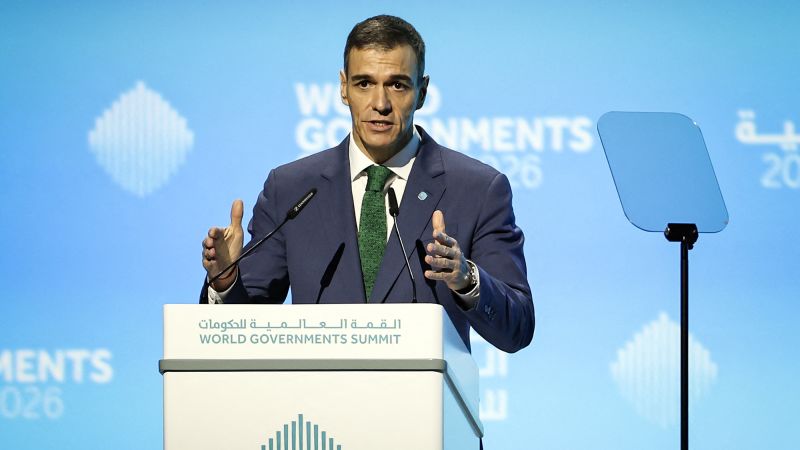
Spain has announced significant new regulations aimed at protecting children from the potential dangers of social media, joining a growing trend among several countries to curb the influence of digital platforms on young users. Under the new measures, which were outlined by Prime Minister Pedro Sánchez, social media platforms will be prohibited from allowing access to users under the age of 16. This move aligns Spain with nations such as Australia, France, and Denmark, each of which has implemented similar restrictions to safeguard minors in a rapidly evolving digital landscape.
“Our children are exposed to a space they were never meant to navigate alone. A space of addiction, abuse, pornography, manipulation, and violence,” Sánchez stated during a speech at the World Governments Summit in Dubai. “We will no longer accept that; we will protect them from the digital Wild West.” This statement underscores the urgency and seriousness with which the Spanish government is approaching the issue.
In addition to the age restriction, Sánchez announced plans to introduce new legislation that would hold social media executives criminally liable for failing to eradicate illegal or hate-filled content from their platforms. This represents a significant escalation in the responsibility placed on tech companies, shifting from merely content moderation to legal accountability.
The proposed regulations will also include penalties for individuals and platforms that facilitate the spread of illegal content, particularly through algorithmic amplification. “We will turn algorithmic manipulation and amplification of illegal content into a new criminal offense,” Sánchez emphasized. “Spreading hate must come at a cost.” This reflects growing concerns about how algorithms can propagate harmful content, further endangering vulnerable users.
The Spanish government plans to initiate the legislative process next week. Among other proposed measures is the development of a “hate and polarization footprint,” which aims to track and quantify the impact that digital platforms have on societal division and hate speech. This innovative approach could provide a framework for assessing and addressing the negative consequences of social media use.
The movement to regulate social media access for minors is gaining momentum globally. In December, Australia became the first nation to implement a ban on social media for users under 16, restricting access to platforms such as Facebook, TikTok, Instagram, Snapchat, and X. Britain is also contemplating similar measures, while France and Denmark have recently announced their intentions to limit social media access for users under 15.
French President Emmanuel Macron has expressed a commitment to expedite legal processes to ensure that the ban is operational before the upcoming school year in September. This urgency reflects a widespread recognition of the imminent need to protect children in the digital age.
Spain’s initiative is part of a broader European movement toward stricter regulations for social media companies. Sánchez noted that Spain has joined forces with five other European nations "committed to enforcing stricter, faster, and more effective regulation of social media." Although he did not disclose the names of these countries, he indicated that the group will convene soon to coordinate enforcement strategies across borders.
“This is a battle that far exceeds the boundaries of any country,” Sánchez remarked, highlighting the international nature of the challenge posed by social media. The collaborative effort among these nations could pave the way for more comprehensive and effective regulations that transcend national laws, indicating a pivotal shift in the global approach to digital governance.
As countries grapple with the complexities of social media’s impact on society, Spain’s new measures reflect a proactive approach to safeguarding children and fostering a healthier digital environment. The growing consensus among nations to impose stricter regulations signals a substantial shift in how governments view the responsibilities of social media platforms, potentially influencing future legislation worldwide.
James Harden's Shocking Trade Demand: Will It Cripple the OKC Thunder's Future? You Won't Believe What Happens Next!
NFL Investigates Shocking Ties: Could Giants Co-Owner Steve Tisch Be Linked to Epstein’s Dark Secrets?

You Won’t Believe How NFL Stadiums Are Being Transformed for the 2026 World Cup—#4 Will Shock You!
White House Threatens Tariffs! Is Congress' Foot-Dragging on Investment Bill Risking Your Savings?
Minnesota Poll Shocker: Are Klobuchar's Dreams of Governorship DOOMED? You Won't Believe the Numbers!

NFL's Shocking International Games Announcement: What This Means for the Commanders' Future!
You might also like: