White House Threatens Tariffs! Is Congress' Foot-Dragging on Investment Bill Risking Your Savings?

The recent announcement from the White House regarding a tariff hike on South Korea has sparked significant diplomatic tensions between the two nations. This move comes despite Seoul's earnest attempts to avert such measures, which have been largely attributed to the Democratic Party's (DP) failure to act promptly on critical legislation tied to U.S. investment.
South Korea's Industry Minister, Kim Jung-kwan, was dispatched urgently to the United States to address the situation, but officials indicated that these efforts have yet to yield positive results. Political sources have pointed out that the core issue for the U.S. is the DP's inaction on a proposed $350 billion investment package, which the party could have advanced through the Korean National Assembly, given its majority status. Instead, the bill has languished unaddressed for two months, leading to rising frustrations in Washington.
“I understand that Minister Kim urgently traveled to the United States and fully conveyed that the Korean government did not intentionally delay the legislation,”
said a source familiar with the situation on Tuesday. Despite these reassurances, U.S. officials found it perplexing that the ruling party had not acted swiftly to legislate, especially when it has historically pushed other bills through expediently.
The DP initially proposed the special investment act in November, which is integral to legalizing investment in the United States and was part of a joint agreement reached by leaders of both countries aimed at reducing tariffs. However, the inaction has aggravated U.S. officials, who perceive it as a sign of distrust, especially given the party's track record of expediting other legislative measures.
The DP has since outlined a timeline to potentially process the bill by the end of February or early March. However, the U.S. has stated it will not delay the publication of the tariff hike in the official Federal Register. A senior ruling party official noted,
“The U.S. side is not backing down from its position that it can publish the notice in the Federal Register at any time.”
After returning from his meeting with U.S. Commerce Secretary Howard Lutnick, Minister Kim remarked,
“The tariff hike has already begun.”
He further indicated that preparations were underway for publication in the Federal Register. The urgency of the situation is becoming critical as South Korea seems to be running out of viable options. Following Kim's trip, Trade Minister Yeo Han-koo traveled to Washington, yet he has not been able to schedule a meeting with his U.S. counterpart, U.S. Trade Representative Jamieson Greer. An insider noted,
“Not even being able to set a meeting schedule is not a good sign.”
In light of this escalating scenario, diplomatic efforts are intensifying. Foreign Minister Cho Hyun has also embarked on a visit to the U.S. to meet with Secretary of State Marco Rubio during a ministerial meeting of the Minerals Security Partnership. As tariff issues take center stage, a separate one-on-one meeting has been arranged. Cho aims to clarify to U.S. officials that the deliberations are being pursued as per the National Assembly’s procedures. He emphasized,
“I plan to deliver the same message not only to Secretary Rubio but also to other U.S. government officials, especially those in Congress.”
Initially expected to be a sideline discussion, the meeting format with Rubio was elevated to a formal meeting just a day prior to Cho’s departure, signaling the gravity of South Korea’s intent to avoid another tariff escalation.
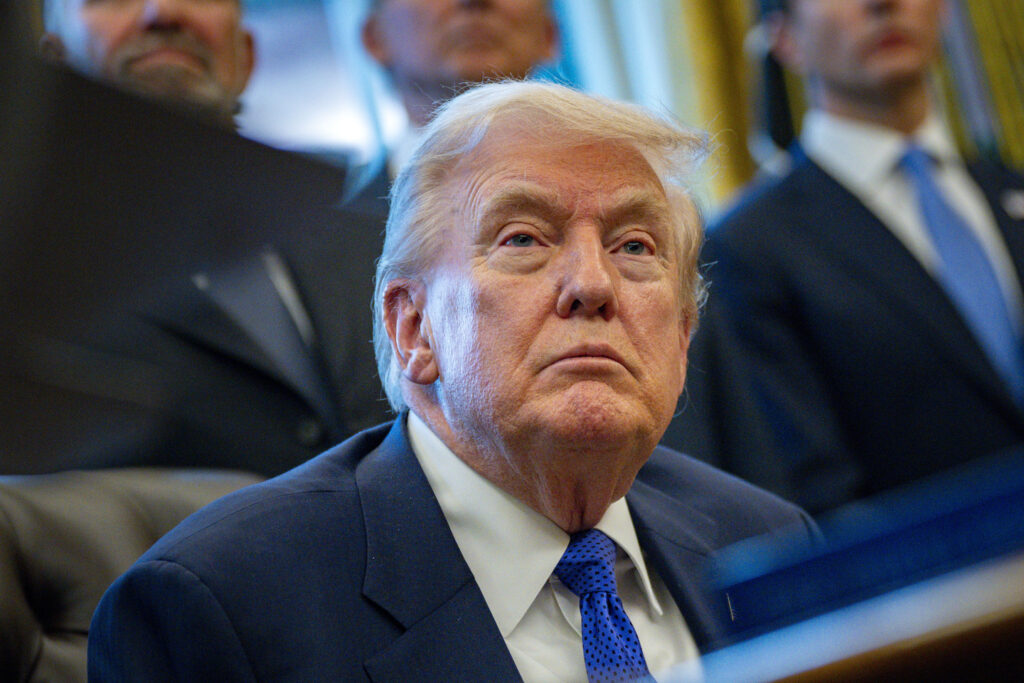
In a contrasting development, U.S. President Donald Trump recently announced on his social media platform, Truth Social, that he would withdraw punitive tariffs on India, previously set at 25 percent, and reduce reciprocal tariffs from 25 percent to 18 percent. This move only adds to the pressure on Korea's diplomatic channels as they scramble to explain their legislative delays.
A DP official remarked,
“We are in a situation where we must continue explaining our position to the United States through multiple channels and keep demonstrating our commitment to fulfilling our promises.”
The emphasis on sincerity and proactive engagement seems to be the strategy moving forward as both countries navigate this complex issue.
Minnesota Poll Shocker: Are Klobuchar's Dreams of Governorship DOOMED? You Won't Believe the Numbers!

NFL's Shocking International Games Announcement: What This Means for the Commanders' Future!

Apple’s Foldable iPhone Design Leaked: 7 Shocking Features That Will Change Everything You Know!

You Won't Believe Which Shocking Properties Transferred in Ellwood City This January – What It Means for You!

Chennai's Top Trainer Reveals 5 Secrets — Miss These and Risk Your Fitness Goals!

The Shocking Top Healthy Super Bowl Snack Each State Swears By—Are You Missing Out?
You might also like: