
Kevin Scott's SHOCKING Email to Satya Nadella: Did This Lead to Sam Altman's Ouster from OpenAI?

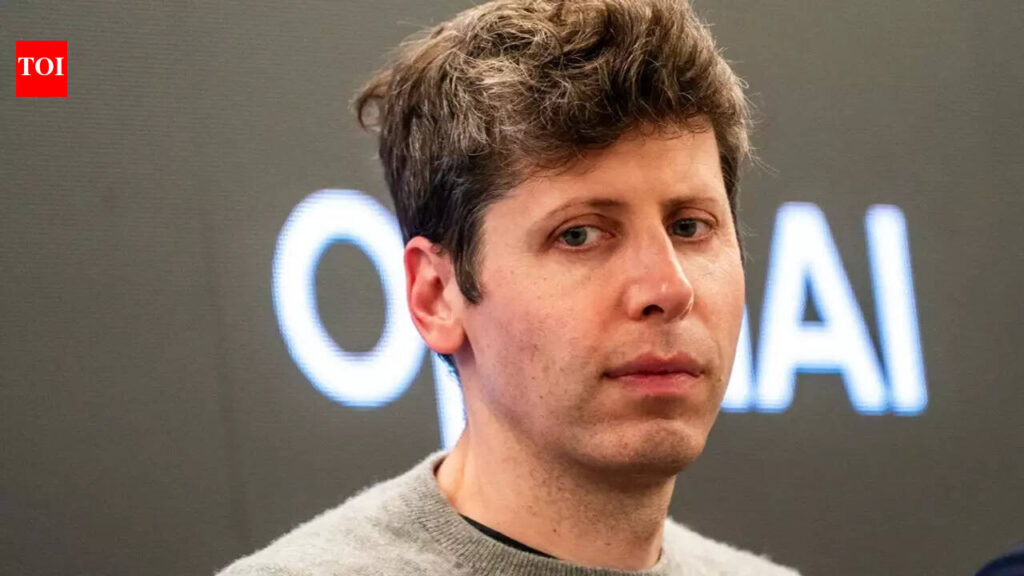
In a stunning turn of events within the tech world, Microsoft’s Chief Technology Officer, Kevin Scott, has provided crucial insight into the chaotic dismissal of Sam Altman, the CEO of OpenAI, in November 2023. Scott’s email to CEO Satya Nadella revealed that internal power struggles, particularly surrounding GPU resources and personal rivalries, led to Altman's firing. This situation unraveled in just a few days, culminating in a swift employee backlash that forced the board to reconsider its decision.
Scott directly addressed the reasons behind Altman’s ouster, pointing to a significant issue over computing resources. With the success of products like ChatGPT, the demand for graphics processing units (GPUs) surged, leading to tensions between research teams and those involved in product development. Scott described the conflict, noting that researchers were feeling deprived of necessary resources, as they believed that "what they're doing is literally insatiable." Meanwhile, teams working on Applied AI felt justified in their priority, resulting in a disconnect that hampered the organization’s overall productivity.
The situation was exacerbated by a second conflict: the promotion of Jakub Pachocki to lead OpenAI’s core model development. This decision, made by Altman, was strategic from a business perspective but struck a deep personal chord with board member Ilya Sutskever. Having mentored Pachocki, Sutskever found it difficult to accept that his former subordinate was now in a position of greater influence, especially since Pachocki began achieving significant research breakthroughs in areas where Sutskever had faced challenges for years.
Scott was candid in his assessment of the board’s dynamics, describing some members as "effective altruism folks," who were not equipped with the necessary business acumen to navigate such a critical transition. His observations highlighted a lack of foresight; the board did not understand that firing Altman would likely exacerbate tensions within OpenAI rather than resolve them. Furthermore, they failed to consult with external advisors on how to manage the transition of leadership at what Scott described as "the hottest company in the world." The timeline of events was chaotic: on a Thursday night, the board informed Mira Murati, a key figure in the company, of their decision to dismiss Altman, and by Friday afternoon, Altman was out, with a blog post announcing the change going live simultaneously.
What followed was a massive swell of support for Altman from OpenAI employees. Within hours, researchers inundated him with messages of loyalty, pledging to leave the company if he did not return. By the end of the week, nearly every employee had signed a letter demanding his reinstatement. Microsoft, recognizing the potential fallout, began extending job offers to OpenAI staff members. The pressure mounted on the board, ultimately leading to a reversal of their decision. Altman later described the entire ordeal as "extremely painful" but noted that it ultimately strengthened the company.
The entire episode serves as a cautionary tale about the dangers of internal politics and the necessity of experienced leadership in tech organizations. Scott's insights shed light on the fragility of decision-making structures at companies like OpenAI, particularly in an industry driven by rapid innovation and competition. The incident underscores the importance of aligning organizational goals and resource allocation while managing diverse personalities within leadership roles.
As the tech industry continues to evolve, lessons learned from the OpenAI debacle could resonate far beyond its boardroom. Stakeholders must prioritize clear communication and a comprehensive understanding of internal dynamics to avoid similar pitfalls in the future.
Alaska's Alarming Child Vaccination Rate: Which Shocking State Tops the List? Find Out Now!
Shocking Study Reveals 70% of Women Avoid Personal Trainers—What’s Stopping You?

New Britain’s Shocking Cyber Attack: What You MUST Know Before It's Too Late!
You Won't Believe What Happens When Access to This Forbidden Page Is Denied! 5 Shocking Secrets Revealed!

Bitcoin's Shocking Plunge: Is $78K the Calm Before a $50K Storm? Analysts Weigh In!

Is Starz Entertainment (STRZ) About to Skyrocket? Investors Are Shocked by This Hidden Opportunity!
You might also like: