
Is a Military Strike on Iran Imminent? Inside the Shocking White House Meeting with Israeli and Saudi Leaders!

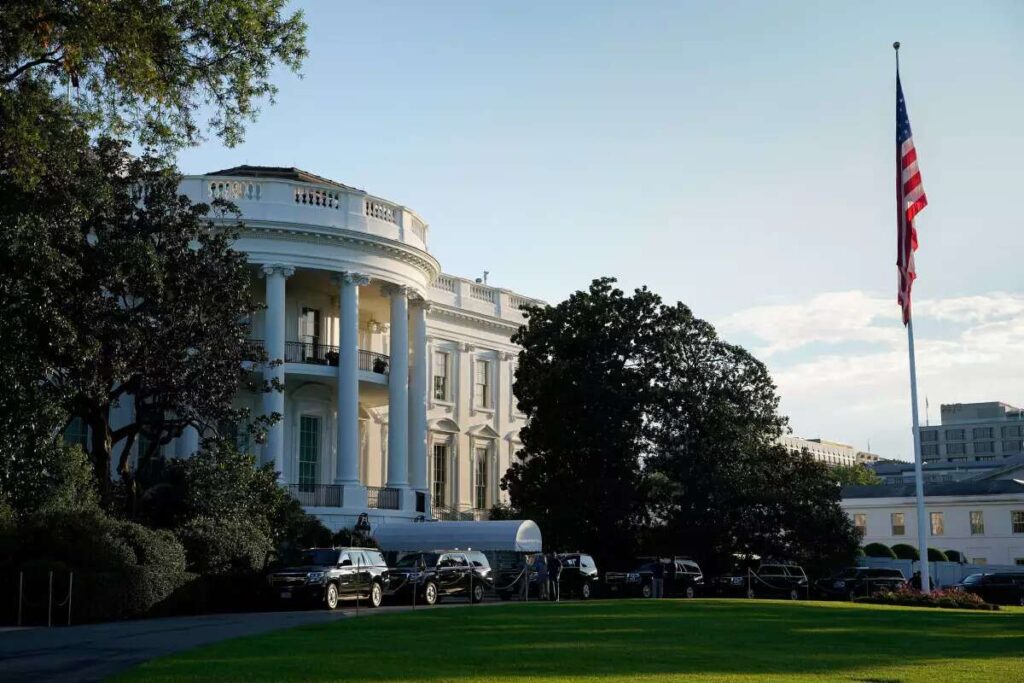
In a significant escalation of tensions in the Middle East, senior officials from Israel and Saudi Arabia convened in Washington to strategize on potential responses to Iran's military posturing. This meeting occurred against the backdrop of President Donald Trump's contemplation of a military strike against the Islamic Republic, as reported by Axios. Both Israeli and Saudi representatives aimed to align their positions and prepare for various scenarios that could unfold.
Recently, President Trump authorized a considerable buildup of U.S. forces in the Persian Gulf, a move interpreted as a precursor to possible military action. This has placed Israel, Saudi Arabia, and other regional nations on high alert, anticipating that a U.S. strike could drastically alter the geopolitical landscape of the Middle East.
The Israeli contingent was led by Maj. Gen. Shlomi Binder, head of the IDF Military Intelligence Directorate. Binder engaged in discussions over two days with high-ranking officials from the Pentagon, the Central Intelligence Agency, and the White House. According to sources familiar with the situation, Binder's visit was aimed at providing the Trump administration with detailed intelligence on potential targets within Iran. Israel's intelligence, honed over years of monitoring Iran's nuclear ambitions and military capabilities, is deemed vital for any U.S. military planning.
Simultaneously, Saudi Arabia's Defense Minister Prince Khalid bin Salman, a key ally of Crown Prince Mohammed bin Salman, was also slated to arrive in Washington. His agenda included Iran-focused discussions at the Pentagon, the State Department, and the White House, where he would meet with Secretary of State Marco Rubio and special envoy Steve Witkoff. The Saudi delegation harbors deep concerns about the implications of a widespread regional conflict, particularly given that Saudi Arabia is within range of Iranian missile strikes.
In light of this, Saudi officials have been attempting to convey messages between Washington and Tehran, advocating for a diplomatic resolution to prevent escalation. However, these efforts have yet to yield substantial progress, underscoring the precarious balance of power in the region.
The discussions in Washington reflect a growing unease among U.S. allies about Iran's military developments and the potential for a U.S. military response. With U.S. forces now stationed in the Gulf, regional powers are bracing for a conflict that could have far-reaching consequences not only for the immediate parties involved but also for international stability.
This diplomatic maneuvering comes at a time when the stakes are particularly high, as the Trump administration weighs its options in a volatile situation. Observers are closely monitoring these developments, as they may signal a significant shift in U.S. foreign policy in the region.
You Won’t Believe Why AI Engineer Jobs Are Surging 150%—Is Your Career at Risk?
Minnesota's Gov. Walz Shocks Everyone with 'Never Again' Decision—What Does This Mean for His Legacy?

Golden Entertainment’s Shocking $30/Share Merger: What This Means for Your Investments!

Gold Just Surpassed Bitcoin's Market Cap Overnight—Is BTC’s Collapse Imminent? Find Out Now!

FBI Raids Georgia Election Center: What Shocking Secrets Are They Hiding?

The Shocking Truth About Alternative Protein: 7 Secrets That Could Change Everything You Eat!
You might also like: