
The Shocking Truth About Alternative Protein: 7 Secrets That Could Change Everything You Eat!

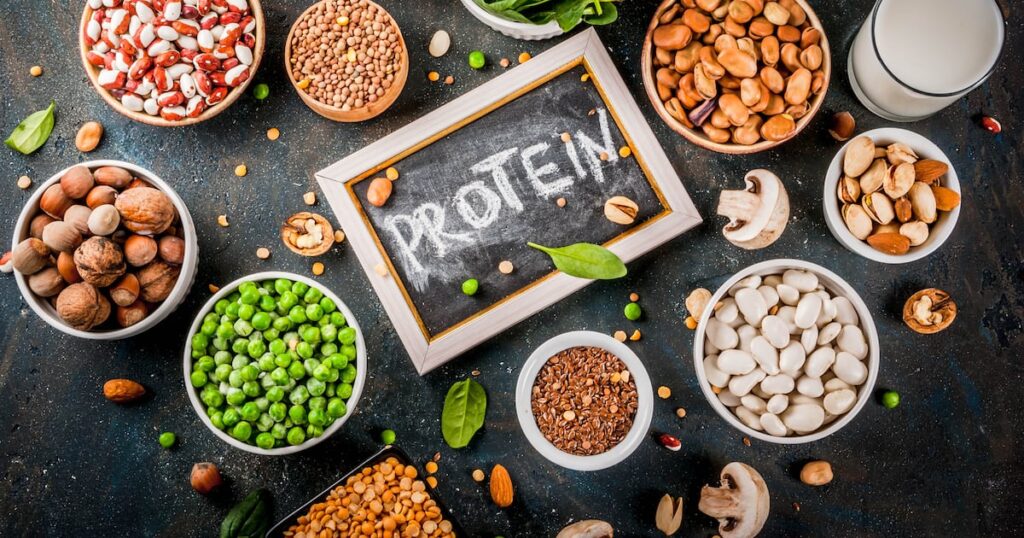
As the global demand for sustainable food sources continues to rise, Singapore is stepping up its efforts in alternative proteins through innovative initiatives. Recently showcased at TFoodS 2025 in Singapore’s Punggol Digital District, two intriguing products—a mung bean puff snack named S-POP and a microalgae frozen dessert—illustrate how the industry can tackle both technical and consumer acceptance barriers to alternative proteins.
The S-POP snack, designed to evoke the crunch of popcorn, aims to provide a healthier option that is rich in protein while low in fat and sodium. According to Associate Professor Lim Bee Gim, Founding CEO and Technical Advisor of FoodPlant, Singapore’s first shared facility for small-batch food production, S-POP demonstrates that creating crispy high-protein snacks is technically feasible. “Snacks are harder to puff when protein levels are high, creating challenges in texture and processing,” Lim explained, noting that using minimal oil complicates seasoning adherence. To overcome this, FoodPlant developed an extrusion method that integrates seasoning directly into the base mix, which includes mung bean protein isolate, corn grits, and rice starch.
Lim highlighted three key approaches that S-POP embodies to promote alternative protein adoption. First, it proves the technical viability of high-protein snacks that appeal to consumers. Second, by presenting these snacks in familiar formats, such as crispy puffs, the initiative aims to drive acceptance. “Snacks are widely consumed in Asia and are therefore a good entry point,” Lim added. Finally, by marketing these snacks as nutritious options—high in protein and low in salt and fat—producing them could become more economically viable as demand grows, especially in aging societies where healthier snacking is increasingly prioritized.
Alongside S-POP, the microalgae frozen dessert is being developed as an alternative to traditional ice cream. Currently in the proof-of-concept phase, researchers are focused on enhancing its taste, as consumer perceptions have previously labeled microalgae as unappealing. “Microalgae contains vitamins and is a complete protein source with a better amino acid score than milk proteins, but most people don’t want to eat it,” stated Associate Professor Arif Z. Nelson of the Singapore Institute of Technology (SIT). Research is underway within a broader protein consortium aimed at establishing microalgae as a viable protein source.
Feedback from tasting sessions suggests that most consumers find the microalgae dessert reminiscent of matcha, characterized by earthy and nutty notes with slight bitterness. Based on this input, Nelson's team is actively working on improving the flavor profile to enhance its marketability.
The prototypes of S-POP and the microalgae dessert are not intended for launch under FoodPlant’s brand but rather to demonstrate what is possible in the realm of alternative proteins. Lim emphasized the importance of collaboration within the industry, stating, “Enabling the ecosystem is better than acting alone.” FoodPlant aims to support food companies in scaling their products by providing expert guidance on formulation and a shared production environment that reduces financial risks associated with scaling.
As Singapore intensifies its focus on alternative proteins, it is not alone in this quest. Startups like KosmodeHealth, which specializes in diabetic-friendly noodles, are also working towards making new food technologies accessible and familiar to consumers. These innovations are part of Singapore’s broader strategy to enhance food security through strategic partnerships and investments in both local and international alternative protein firms, including US-based Impossible Foods and Germany’s Cremer.
In a world increasingly focused on sustainability and health, Singapore’s proactive approach to promoting alternative proteins could serve as a model for other nations looking to improve their food systems. As the demand for innovative and healthy food options grows, initiatives like S-POP and the microalgae dessert may pave the way for a more sustainable and secure food future.
Are Pediatricians Really Cashing in on Vaccines? Shocking Profit Numbers Revealed!

John Wahl's Shocking Move: Is This the Game-Changer for Lieutenant Governor Race? You Won't Believe What He Just Revealed!
You Won't Believe What Happens When This Request Is Denied—Find Out Before It's Too Late!

MENA's First Tokenized Equity Startup Just Launched—Find Out Why You Can't Afford to Miss This!
Obesity Rates Soar: Are Ultra-Processed Foods Secretly Sabotaging Your Health? Shocking Data Inside!

Last-Minute Drama: How Poly's Shocking Goal Stunned Wilson and Changed the Game Forever!
You might also like: