
Is Watching Violent Videos on Social Media Destroying Your Mental Health? Discover the Shocking Truth from a Moorhead Psychologist!

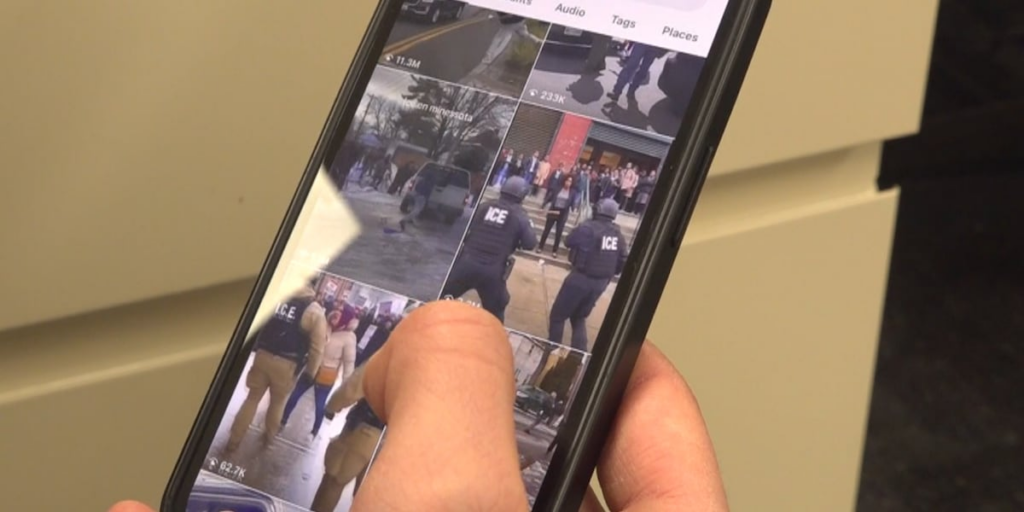
MOORHEAD, MINN. (Valley News Live) - In recent weeks, videos depicting immigration enforcement operations in Minnesota have proliferated on social media, raising concerns among mental health experts about the psychological impact of such footage. These disturbing clips, often shared and viewed widely online, can trigger what experts describe as secondary trauma or vicarious trauma—responses to events that individuals are not experiencing directly but nonetheless find deeply distressing.
Jon Ulven, a licensed psychologist at Sanford, explains that “when we talk about secondary trauma or vicarious trauma, what’s happening is that we’re having a traumatic response, but with our bodies and our minds to something that we’re not experiencing directly.” This phenomenon is particularly alarming in an age where social media has transformed how individuals consume disturbing content. Ulven notes that, “you can watch violent videos for hours following reels, and that type of exposure is something that’s actually really new to humans; it’s come with this technology, and I think what we’re understanding is that we’re not prepared for it.”
The consequences of constant exposure to violent imagery can be significant. Mental health experts indicate that individuals might experience symptoms ranging from anxiety and sleep disruptions to intrusive thoughts. The distress is compounded when viewers are aware that such events are occurring within their own communities. Ulven points out, “if you see someone on a video being harmed and it’s close to you, that’s another piece that’s going to increase your reactivity to it.”
Given these troubling dynamics, mental health professionals recommend several strategies for those feeling overwhelmed by the barrage of unsettling social media content. Ulven emphasizes the importance of social connections, advising individuals to “check in with loved ones so you can talk with them about what your experiences are. We process things much better when we’re interacting with other people that we feel comforted by.” This suggests that fostering open dialogues about emotional responses can be crucial in managing the psychological toll.
Additionally, experts recommend setting limits on screen time, such as turning off phones at bedtime and during meals. Such boundaries can help mitigate the emotional impact of disturbing content and promote healthier habits. Resources for mental health support are readily available; for instance, the National Alliance on Mental Illness and the 988 Suicide and Crisis Lifeline offer services 24/7 for anyone in need.
This issue highlights a broader societal concern about the consequences of digital consumption on mental health. As technology continues to evolve, individuals must navigate the balance between staying informed and protecting their emotional well-being. The increasing prevalence of distressing content on social media platforms has prompted an urgent call for both awareness and actionable strategies to manage its impact.
Republican Josh Schoemann's SHOCKING Exit: What This Means for Wisconsin's Future!

Gong Cha's Shocking 2.0 Store Design: Will You Be Among the First to Experience 'Super Wu' Tech? Don’t Miss Out!

Fed's Shock Decision: What Wall Street's Mega Earnings Could Mean for Your Portfolio! Don't Get Left Behind!

Expedia Shockingly Cuts 162 Tech Jobs—Is Your Job Next? Discover the Shocking Details!
You Won't Believe What Happens When You Try to Access This Restricted Page! Shocking Truth Revealed!

Fed's Shocking Decision: How Steady Rates Could Ignite a $1 Trillion Earnings Explosion!
You might also like: