
Is the 2026 Union II Schedule a Game-Changer? Shocking Insights You Can't Afford to Miss!

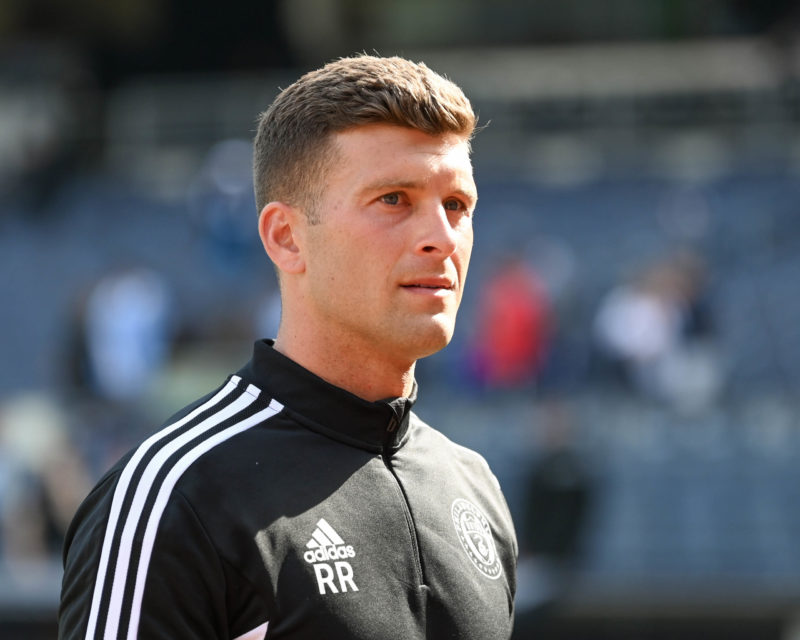
Photo Marjorie Elzey
With the release of the MLS NEXT Pro’s 2026 regular season schedule, fans and analysts alike are gearing up to dissect the implications for this rapidly evolving league. As the developmental arm of Major League Soccer (MLS), MLS NEXT Pro features 30 teams, 27 of which serve as professional development affiliates to MLS franchises. This intertwined structure raises questions about how MLS’s own adjustments—especially in light of the upcoming World Cup—will affect its affiliates.
One noteworthy aspect of the 2026 schedule is that it deviates sharply from Major League Soccer's busy calendar. While MLS will likely implement a two-month pause for the 2026 FIFA World Cup, MLS NEXT Pro plans to play through without such interruptions. This aligns with international norms for lower leagues, allowing teams to maintain rhythm despite the absence of players called up for national duty. For many MLS NEXT Pro teams, this means navigating the challenges of playing without key players in high-stakes matches.
The 2026 schedule is also characterized by a stark difference in the frequency of matches. Unlike MLS, which features a plethora of midweek games, MLS NEXT Pro has strategically minimized such scheduling to enhance player recovery. Using a rest matrix developed through observation and insights from coaches like Jim Curtin, it's clear that player recovery is prioritized. For instance, only 7% of Union II's matches fall within the 'short rest' category, while a staggering 82% allow for 6-10 days of recovery.
| 2026 Union II Recovery Times Compiled | |||
| Recovery | 3-5 Days | 6-10 Days | Beyond 10 Days |
| Frequency | 2 games | 23 games | 3 games |
| Percentage | 7% | 82% | 11% |
This thoughtful scheduling is crucial as Union II embarks on a season where they will face significant competition. Each of the seven other teams in the Northeast Division will play Union II three times, while seven of the eight Southeast teams will be faced once, culminating in a 28-game season. The restructured divisions now consist of 16 teams in the Eastern Conference and 14 teams in the Western Conference, echoing a competitive landscape set to challenge Philadelphia Union II significantly.
Weather and facility availability can complicate soccer schedules in the northern U.S., and the Union II team is expected to experience some adjustments. The WSFS Sportsplex and Subaru Park will not only serve as home fields for Union II but are also designated as a FIFA Team Base Camp for the World Cup. This dual role raises the likelihood that some home games may be relocated to alternative venues like the Championship Field at the Sportsplex, which meets official criteria for Division III matches.
As for game timings, there is a notable variation in start times. Union II will host 11 home games starting at 3:00 PM, while two others will begin at 7:00 PM. In contrast, away matches will see a more diverse schedule with five different start times. This flexibility likely reflects market preferences and venue requirements across different locations.
While the 2026 competitive format is set, changes loom on the horizon. The league is on a growth trajectory, with four expansion teams expected to join in 2027, including AC Grand Rapids and the Jacksonville Armada. As these teams prepare for entry, the current structure may be temporary, leading to a potential reorganization in future seasons.
The future of MLS NEXT Pro, and its integration with the broader soccer ecosystem in the U.S., appears promising but is fraught with challenges. The balance of player development, fan engagement, and adherence to professional standards will be critical as the league navigates through this pivotal period in American soccer history.
Is Your Wallet at Risk? Fed’s Surprise Move on Rates Could Change Everything—Find Out How!

China’s Property Crisis: Could This $300 Billion Collapse Drag Down the Global Economy?

MCSD's Shocking Tech Transformation: 5 Innovations You Won't Believe Are Coming!

You Won't Believe What Just Happened at Hacker Murphy—John F. Harwick's Shocking New Role!
Unlock Google's Secret: 7 Shocking Tricks to Bypass Fake News & Find Trusted Sources Fast!

College Football Playoff Shockingly Hires Golden Knights Exec—What This Means for Your Team!
You might also like: