
Caribbean Residents Take on Dutch Government: Will Their Lives Change Forever?

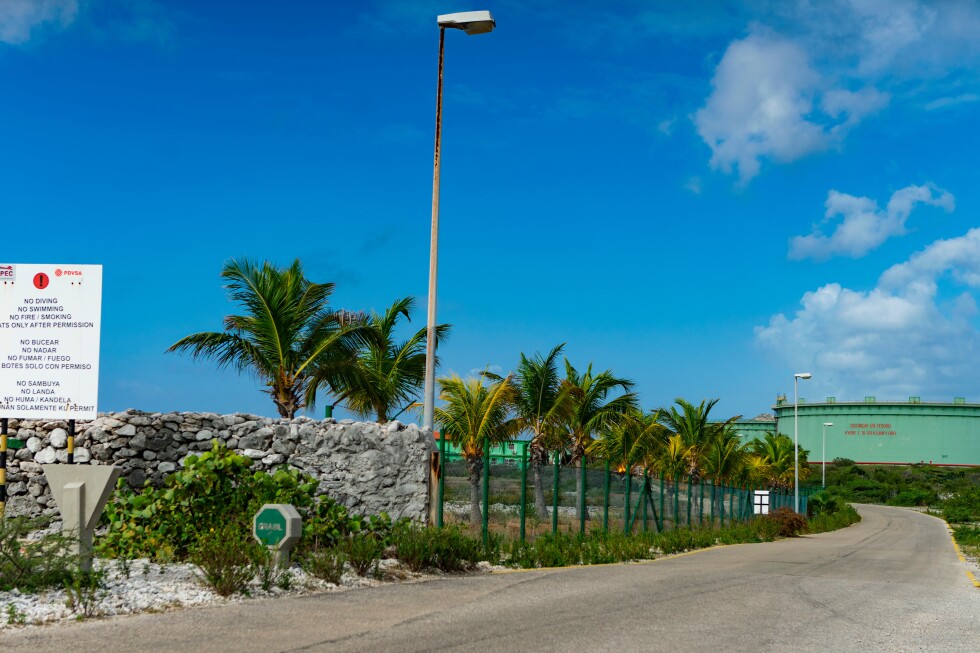
THE HAGUE, Netherlands (AP) — A pivotal case is unfolding in a Dutch district court as eight residents from the Caribbean island of Bonaire challenge the Netherlands government over its climate change policies. This legal action, supported by Greenpeace, seeks to compel the Dutch government to take more robust measures to protect its citizens from the escalating threats of climate change, including rising sea levels and increasing temperatures. The outcome of this case could set a significant precedent for similar legal actions worldwide.
“It would be a victory of historic significance, should the court ruling force the State to take concrete measures to protect people from extreme weather and other consequences of the climate crisis,” stated Marieke Vellekoop, director of Greenpeace Netherlands.
The court proceedings are taking place in The Hague because Bonaire, along with St. Eustatius and Saba, became special Dutch municipalities in 2010. The island’s approximately 20,000 residents are Dutch citizens due to the colonial history that binds the Netherlands to these Caribbean territories.
In defense, government lawyers argue that the Netherlands is already making headway in combating climate change. They point to greenhouse gas reductions and mitigation efforts as evidence of their commitment. Government lawyer Edward Brans contended that climate-related issues should be addressed by national administrations rather than the judiciary.
This ruling comes at a critical juncture for Dutch politics, coinciding with ongoing discussions to form a new government following national elections in late October. A minority coalition is expected to emerge, likely led by centrist D66 party chief Rob Jetten, known as the “climate pusher” for his previous role as minister responsible for implementing significant legislation aimed at reducing the Netherlands’ reliance on fossil fuels and cutting carbon emissions dramatically.
The District Court of The Hague has historical significance in climate litigation; it was the venue for the landmark Urgenda case that concluded in 2019. In that case, the Dutch Supreme Court ruled in favor of climate activists, mandating the government to reduce greenhouse gas emissions. This ruling served as a benchmark for similar climate-related legal challenges across the globe.
Recent decisions from the European Court of Human Rights and the International Court of Justice have echoed the sentiment of the Urgenda case, affirming that a failure to act on climate change is a violation of international law. These rulings reflect a growing recognition that climate inaction carries legal and ethical implications.
As the world grapples with the realities of climate change, the data is stark. Over the past decade, global sea levels have risen an average of approximately 4.3 centimeters (1.7 inches), with certain regions, particularly in the Pacific, experiencing even more significant increases. Furthermore, the global temperature has escalated by about 1.3 degrees Celsius (2.3 degrees Fahrenheit) since preindustrial times, primarily attributed to the burning of fossil fuels.
This case not only underscores the urgent need for effective climate policies but also highlights the legal avenues being pursued by citizens across the globe in an attempt to hold governments accountable. As the impacts of climate change become increasingly pronounced, the outcome of this trial may well resonate far beyond the shores of Bonaire, influencing climate action and legal frameworks in countries around the world.
Governor’s Shocking New Laws for Immigrants: Will Your Rights Change Overnight?

Is Your Late-Night Habit Secretly Wrecking Your Heart? Discover the Shocking Truth Now!

Belichick's Shocking Snub Leaves NFL Stars Fuming – What Did He Say? You Won't Believe the Fallout!

Is 2026 Your Last Chance to Buy a Home? Shocking Mortgage Trends & Prices You Can’t Ignore!

Wall Street's Shocking Turn: How Big Tech's Earnings Could Make or Break Your Investments!

The Shocking Truth About Jews in the White House: Are We Witnessing the Final Chapter?
You might also like: