
Is Your Late-Night Habit Secretly Wrecking Your Heart? Discover the Shocking Truth Now!

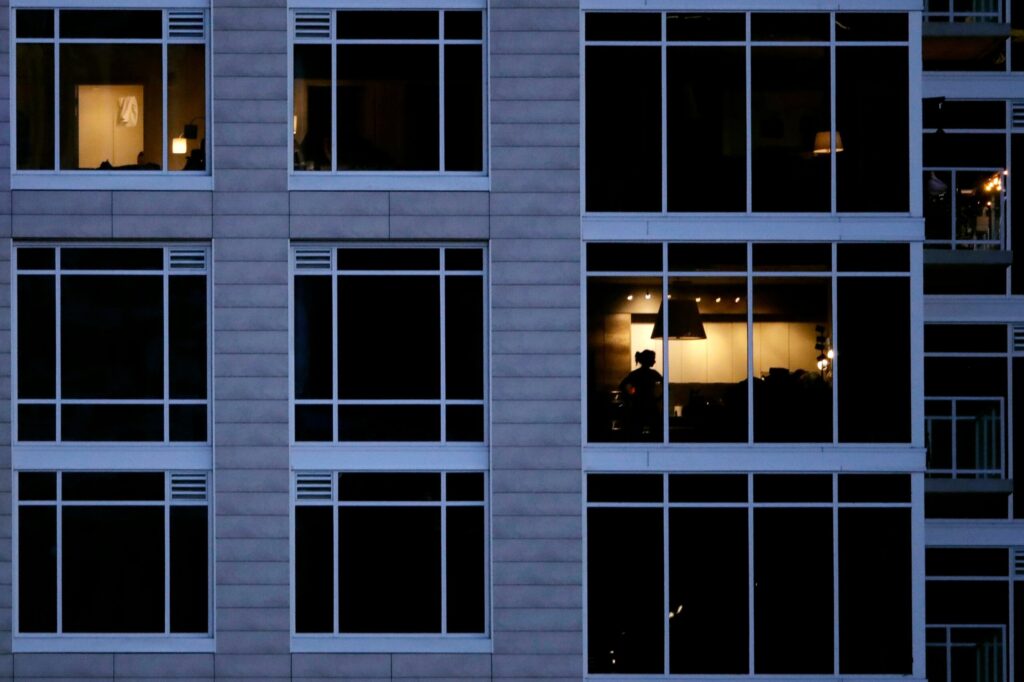
In a surprising revelation for many, research suggests that being a night owl could have serious implications for heart health. A comprehensive study led by research fellow Sina Kianersi from Brigham and Women’s Hospital and Harvard Medical School indicates that individuals who are more active during the late hours face a greater risk of cardiovascular complications compared to those who adhere to more traditional sleep patterns.
According to the findings published in the Journal of the American Heart Association, night owls—individuals who feel most energetic and alert later in the day—exhibit poorer overall heart health than those who tend to wake up early and go to bed early. Surprisingly, this does not mean that night owls are “doomed.” Kianersi points out that the primary issue lies in the “mismatch between [an individual’s] internal clock and typical daily schedules,” which often hinders their ability to adhere to heart-healthy behaviors.
Heart disease remains the leading cause of death in the United States, making the implications of this research particularly pertinent. The American Heart Association underscores eight crucial factors that contribute to heart health: regular physical activity, avoidance of tobacco, adequate sleep, nutritious diets, and effective management of blood pressure, cholesterol, blood sugar, and weight.
Central to the study's findings is the concept of the body’s circadian rhythm, which governs not only sleep patterns but also the functioning of various organ systems, including heart rate, blood pressure, and metabolism. The research tracked over 300,000 middle-aged and older adults from the UK Biobank, where about 8% identified as night owls, with a quarter labeled as early birds and the remaining population falling somewhere in between.
Over a span of 14 years, night owls exhibited a 16% higher risk of experiencing a first heart attack or stroke compared to their early-bird counterparts. Impressively, the study also revealed that night owls, particularly women, faced overall worse cardiovascular health based on the eight factors identified by the American Heart Association.
The researchers attribute these findings largely to unhealthy lifestyle choices often associated with night owls, including higher rates of smoking, insufficient sleep, and poor dietary habits. Kristen Knutson of Northwestern University, who has led recent heart association guidance on circadian rhythms, emphasized the difficulties night owls face when trying to adapt to a society that operates primarily on a morning person’s schedule. This can lead to early wake-ups for jobs and social obligations that do not align with their natural inclinations, forcing them into an unhealthy cycle.
Furthermore, metabolism tends to fluctuate throughout the day, with the body producing insulin to convert food into energy. This biological response may complicate matters for night owls, who might struggle with metabolism if they consume high-calorie breakfasts during hours their bodies are still traditionally at rest. Additionally, late-night activities may limit access to healthy food options.
While the study does not delve into the specific behaviors of night owls when the rest of the world is asleep, Kianersi emphasizes a universal recommendation for heart health: quitting smoking. This, coupled with maintaining a consistent bedtime—even if it can't always reach the ideal of seven hours—could be beneficial for their overall health.
In conclusion, while being a night owl is not an automatic path to poor heart health, the alignment of lifestyle choices with one’s circadian rhythm appears to be critical. As Kianersi succinctly puts it, “Focus on the basics, not perfection,” a mantra that holds true for everyone aspiring for better heart health.
Belichick's Shocking Snub Leaves NFL Stars Fuming – What Did He Say? You Won't Believe the Fallout!

Is 2026 Your Last Chance to Buy a Home? Shocking Mortgage Trends & Prices You Can’t Ignore!

Wall Street's Shocking Turn: How Big Tech's Earnings Could Make or Break Your Investments!

The Shocking Truth About Jews in the White House: Are We Witnessing the Final Chapter?

Michigan’s GOP Race Just Got Shocking: Why Johnson’s Entry Could Change Everything!
Is Your Gym Prepared? Shocking Growth Predictions for Fitness Equipment Industry Revealed!
You might also like: