Legora CEO Reveals the ONE Question That Could Make or Break Your Career—Are You Ready?

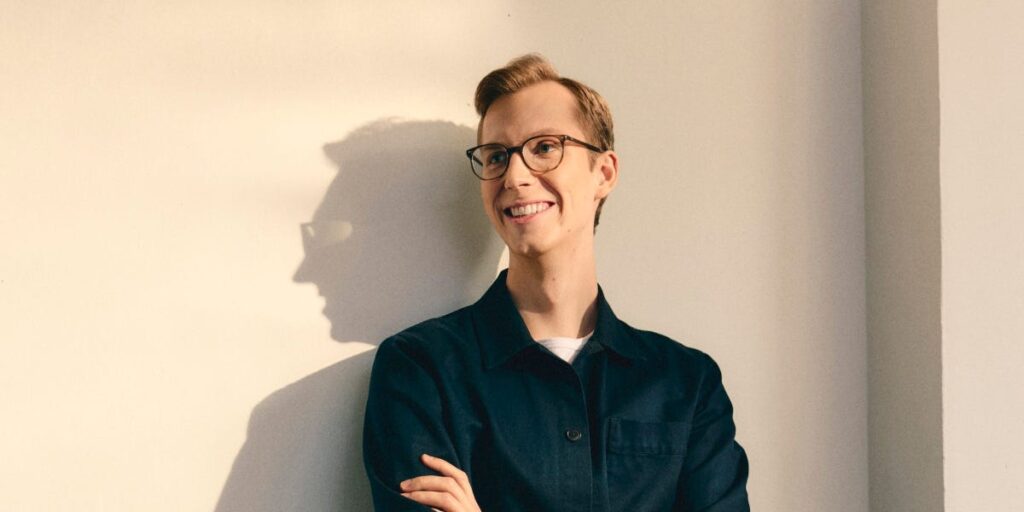
In the competitive landscape of startup culture, one CEO is not shy about setting the stage for a challenging work environment. Max Junestrand, the CEO of the $2 billion legal AI startup Legora, recently shared insights into his unique hiring philosophy during an episode of the "20VC" podcast. His approach not only shapes the company culture but also highlights the growing trend of demanding more from employees in fast-paced industries.
Junestrand, who co-founded Legora in 2023, emphasizes the importance of cultural fit when selecting new team members. He believes in asking tough questions during interviews, such as, "Why take a hard job? You could go work somewhere else." This approach aims to weed out candidates who are not fully committed to the startup's mission. "I try to create missionaries, not mercenaries," he states, referencing an analogy popularized by venture capitalist John Doerr. This distinction is crucial; mercenaries are seen as individuals who primarily serve their own interests, while missionaries are those committed to a larger purpose.
Legora, which competes with the San Francisco-based legal tech company Harvey—currently valued at $8 billion—has gained attention not just for its financial success but for its distinct culture. Junestrand looks for candidates with "raw grit," individuals who are willing to put in long hours and embrace the demands of startup life. For instance, he noted that his team often has dinner in the office at 8 p.m. and even closed deals on New Year's Eve. His commitment to fostering a high-pressure environment was evident at the company's Christmas dinner, where, alongside mulled wine, employees were presented with key performance indicators (KPIs) displayed prominently for all to see.
Currently, Legora has around 300 employees, with plans to double its workforce in the first half of this year. In the past six months alone, the company has experienced a significant increase in its headcount, reflecting a broader trend of growth among tech startups across Europe. Despite historically facing skepticism from investors due to perceived issues like a strong focus on work-life balance and regulatory challenges, startups like Legora, the Swedish coding company Lovable, and French AI lab Mistral are revitalizing the European entrepreneurial scene.
The cultural dynamics within startups can significantly influence their operational success. Junestrand's emphasis on cultural alignment speaks to a growing recognition that shared values and mission-driven work can lead to greater employee engagement and retention. He is not alone in this regard. Many companies are now prioritizing candidates who display passion and a team-oriented mindset over those seeking a quick paycheck.
As businesses navigate an increasingly competitive environment, the question of how to attract and retain talent becomes even more pressing. Junestrand's approach represents a strategic move not merely to fill positions but to cultivate a workforce that is motivated by shared goals, potentially leading to higher productivity and innovation.
In conclusion, the startup landscape is continually evolving, and Legora serves as a prime example of how a strong focus on cultural fit and employee dedication can set a company apart. As the industry pushes forward, it will be interesting to see how this paradigm shift influences not just hiring practices but the broader conversation surrounding work culture in startups.
C3.AI's Shocking Merger Talks: How Automation Anywhere Could Change AI Forever!
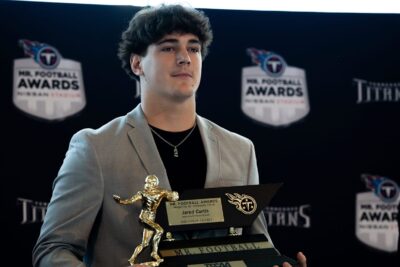
Can This 5-Star Freshman Change the Game? Shocking Predictions for College Football's Next Superstar!
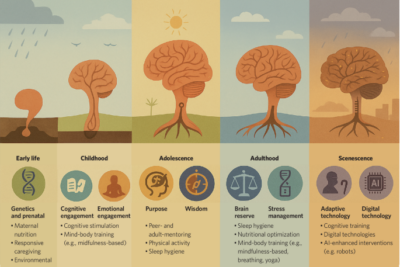
Unlocking the Secrets: How 90% of Seniors Can Avoid Devastating Neuropsychiatric Disorders!
Villanova's Shocking 15-Point Comeback: How Their Three-Pointer Strategy Crushed Providence!

Tech Giants' Earnings Drop: Is Your Investment About to Crash? Shocking AI Trends Revealed!

You Won’t Believe What Happens When 5,000 Young Soccer Fans Storm the U.S. Women’s Team!
You might also like: