
Social Media Giants on Trial: Will CEOs Face Jail Time for Their Shocking Actions? Find Out Now!

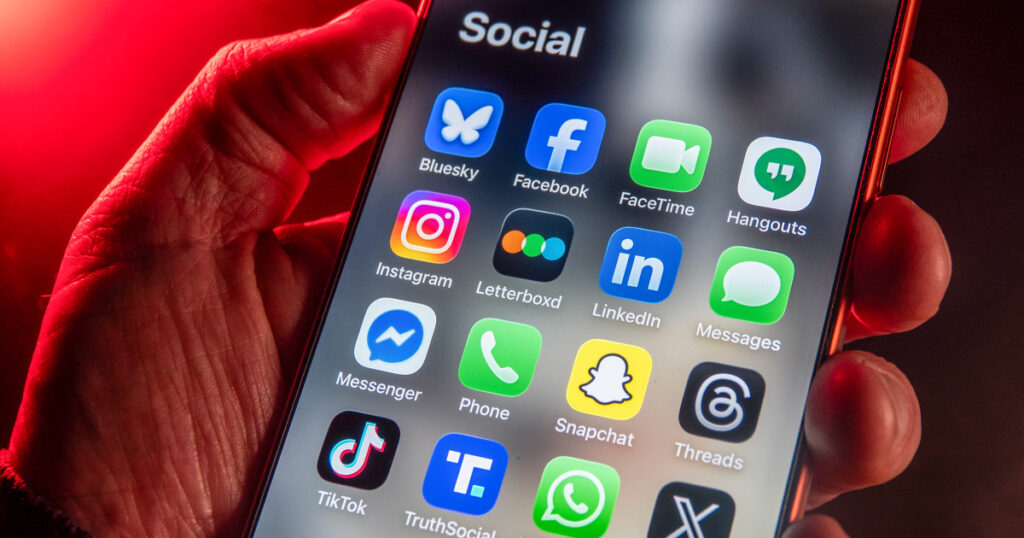
LOS ANGELES — In a groundbreaking moment for social media accountability, the world’s largest tech companies are facing their first legal challenges that question whether their platforms are harmful to children. Jury selection commenced on Tuesday in Los Angeles for the initial lawsuit within a wave of landmark trials that could redefine the responsibilities these tech giants hold towards young users.
Over 1,600 plaintiffs—comprising more than 350 families and over 250 school districts—are collectively accusing the owners of popular platforms like Instagram, YouTube, TikTok, and Snap of deliberately designing addictive products that adversely affect minors' mental health. According to the master complaint, these platforms “have rewired how our kids think, feel, and behave.”
As the trial gets underway, both TikTok and Snap have reached a settlement with the plaintiffs involved in the first California state case, although they remain defendants in a series of similar lawsuits slated for trial throughout the year.
Mark Lanier, the lead trial attorney representing the plaintiffs, expressed a willingness to settle with Meta (the parent company of Facebook and Instagram) and Google (which owns YouTube) as well. However, his primary goal is to achieve “transparency and accountability” from these tech giants. He stated, “We would like for all of the records that are confidential [to] become public so that the public can see that these companies have been orchestrating an addiction crisis in our country and, actually, the world.”
The legal proceedings are centered on the case of a now 20-year-old woman identified in court as K.G.M., who was a minor at the time of the incidents described in her lawsuit. Lanier believes her case will serve as a “bellwether” for hundreds of similar lawsuits still pending in state courts.
Notably, Meta CEO Mark Zuckerberg is expected to testify in February, with the head of Instagram, Adam Mosseri, potentially taking the stand as well. Although Snap CEO Evan Spiegel was also anticipated to testify, he will no longer do so following the settlement.
If the jury rules in favor of K.G.M., the social media companies could face significant damages and be compelled to alter the design of their platforms. Such a verdict may influence whether these tech companies opt to fight or settle the numerous upcoming cases.
Details surrounding the settlements with TikTok and Snap have not been disclosed. However, a Snap spokesperson commented, “The Parties are pleased to have been able to resolve this matter in an amicable manner.”
The Tech Oversight Project, a nonprofit watchdog, recently released a report featuring unsealed court documents, including internal communications from Meta, Google, Snap, and TikTok. These documents indicate that these companies have actively attempted to make their platforms more appealing to younger audiences.
Sacha Haworth, executive director of the Tech Oversight Project, remarked, “This settlement should come as no surprise because that damning evidence is just the tip of the iceberg. This was only the first case — there are hundreds of parents and school districts in the social media addiction trials that start today, and sadly, new families every day who are speaking out and bringing Big Tech to court for its deliberately harmful products.”
Matt Bergman, founding director of the Social Media Victims Law Center — representing approximately 750 plaintiffs in California state proceedings and another 500 in federal proceedings — voiced his eagerness to hear testimony from tech CEOs regarding their prioritization of profit over the well-being of children. He noted, “Due to the incredible dedication of these families and the hard work of many lawyers and judges, we are now able to go to trial despite Section 230,” referring to the Communications Decency Act of 1996 which typically shields internet companies from liability for user-generated content.
Bergman emphasized the significance of this moment, stating, “Companies are, for the first time, going to be held accountable for the clear and present danger their platforms have inflicted on young people.”
In response to the allegations, Meta highlighted its ongoing safety initiatives, such as the introduction of Teen Accounts and parental control tools. A company spokesperson asserted, “We strongly disagree with these allegations and are confident the evidence will show our longstanding commitment to supporting young people.” Similarly, Google defended its practices, stating, “Providing young people with a safer, healthier experience has always been core to our work.”
The initiation of these trials comes two years after a Senate Judiciary Committee hearing where top executives from Meta, TikTok, X, Snap, and Discord faced scrutiny over their platforms' safety for minors. The Tech Oversight Project characterized these cases as “the most significant social media accountability litigation to date,” signaling a pivotal moment in the ongoing conversation about the impact of social media on youth.
You Won't Believe How Much Money You Can Save on These 52.5lb Dumbbells—$150 Less Than Bowflex!

Shocking PlayStation Store Update: 50+ Must-Have Games Disappearing January 27—Are You Ready?

Coupang's Shocking Collapse: Is Korea's Startup Dream on the Brink of Disaster?

Could This Shocking $1 Billion Demand from Maine Protesters Change Big Oil Forever?

You Won't Believe Which Startups Just Scored $10M in Funding Today! Find Out Before It's Too Late!

You Won't Believe the 7 Traits of People Who Refuse Self-Checkout—Are You One of Them?
You might also like: