
S&P 500 Soars While UnitedHealth Tanks—Find Out Why Investors Are Panicking NOW!

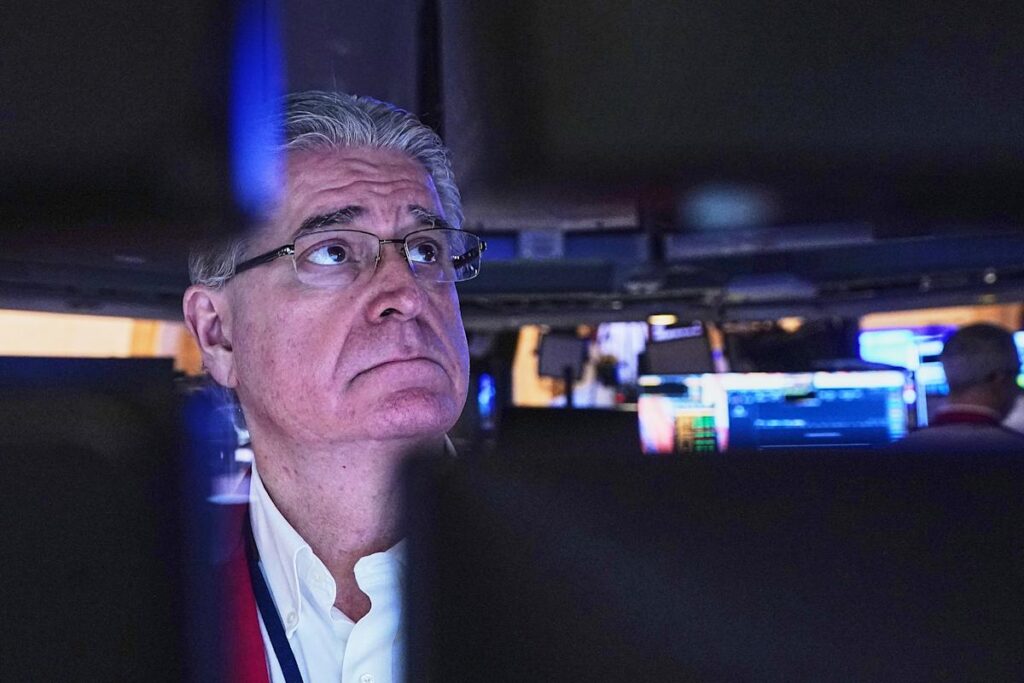
US stocks experienced a mixed day on Tuesday, with the tech-heavy Nasdaq Composite leading gains amid rising optimism in the sector, while the Dow Jones Industrial Average declined sharply due to a significant drop in shares of UnitedHealth Group (UNH). The Nasdaq rose 0.9%, and the S&P 500 increased by 0.4%, pushing it into record territory. In contrast, the Dow fell approximately 1%, primarily influenced by the underperformance of healthcare stocks.
The S&P 500’s ascent was fueled by positive developments among memory chipmakers, which bolstered hopes for tech profits ahead of key earnings reports from major players. The "Magnificent Seven"—including Meta (META), Microsoft (MSFT), and Tesla (TSLA)—are slated to report their earnings on Wednesday, with Apple (AAPL) following on Thursday.
However, the decline in the Dow was predominantly attributed to UnitedHealth’s stock tumbling nearly 20% despite exceeding quarterly profit expectations. The drop followed the Trump administration's proposal to keep Medicare payment rates flat for the upcoming year, disappointing investors who had anticipated a more substantial increase. This news sent ripples through the health insurance sector, causing broad declines among related stocks.
Adding to market volatility were fresh trade tensions, particularly with the announcement of a historic free trade agreement between the European Union and India, dubbed the “mother of all deals.” This agreement aims to deepen economic ties, countering the effects of aggressive tariffs imposed during the previous administration. European Commission President Ursula von der Leyen hailed the deal, stating it creates a free trade zone encompassing two billion people, while Indian Prime Minister Narendra Modi emphasized its potential to enhance India’s manufacturing and services sectors.
In economic news, consumer confidence has also taken a hit, plummeting to its lowest level since 2014. The Conference Board’s index fell 7 points to a reading of 84.5, with consumers expressing concerns over inflation, particularly in gas and grocery prices. Furthermore, a significant drop in the expectations index suggests a growing pessimism about future business and labor market conditions. The survey, conducted before the Federal Reserve’s two-day meeting, highlights the increasing uncertainty Americans feel regarding economic stability.
As markets brace for the Federal Reserve’s first policy decision of the year, analysts widely expect the central bank to maintain its current interest rate levels, yet they remain vigilant for signals regarding future rate cuts. This cautious sentiment comes on the heels of the Fed’s ongoing efforts to navigate between economic growth and inflation control.
On the earnings front, General Motors (GM) reported a strong fourth-quarter performance, exceeding Wall Street's expectations. The automotive giant announced a dividend increase and a robust $6 billion stock buyback plan, which helped boost investor confidence. Meanwhile, American Airlines (AAL) and Boeing (BA) also reported quarterly results, adding to the day’s financial landscape, although American Airlines faced challenges from a government shutdown that impeded flights.
In political news, a potential government shutdown looms as Senate Democrats attempt to block a funding bill for the Department of Homeland Security, following the controversial shooting of Alex Pretti by federal agents in Minneapolis. In response, President Trump has designated border czar Tom Homan to manage operations in Minnesota, while also stating he had constructive discussions with both Minnesota Governor Tim Walz and Minneapolis Mayor Jacob Frey.
The stock market’s fluctuations reflect a complex interplay of factors, ranging from corporate earnings to geopolitical developments and domestic economic sentiment. As investors navigate this landscape, the upcoming earnings reports from tech giants could serve as a crucial barometer for market direction, while broader economic indicators will continue to shape the outlook for the rest of the year.
Tragedy Strikes: 7 PAOK Fans Dead in Shocking Romanian Crash – What Really Happened?

Darian Mensah's Shocking Duke Settlement: What This Means for His Future and QB Rivals!

You Won't Believe What Clay Pulliam's Shocking Move to Dorsey Could Mean for Dallas Real Estate!

Florida's Shocking New Vaccine Exemption Bill: What You MUST Know as Measles Cases Skyrocket!

Discover the 8 Social Media Suites That Could Make or Break Your Brand in 2026! Don’t Miss Out!

Small Businesses: Discover How a Single Permit Could Skyrocket Your Profits on Jan. 29!
You might also like: