
Pediatrics Group Shocks Nation: Why They’re Defying CDC Vaccine Guidelines! What’s at Stake?

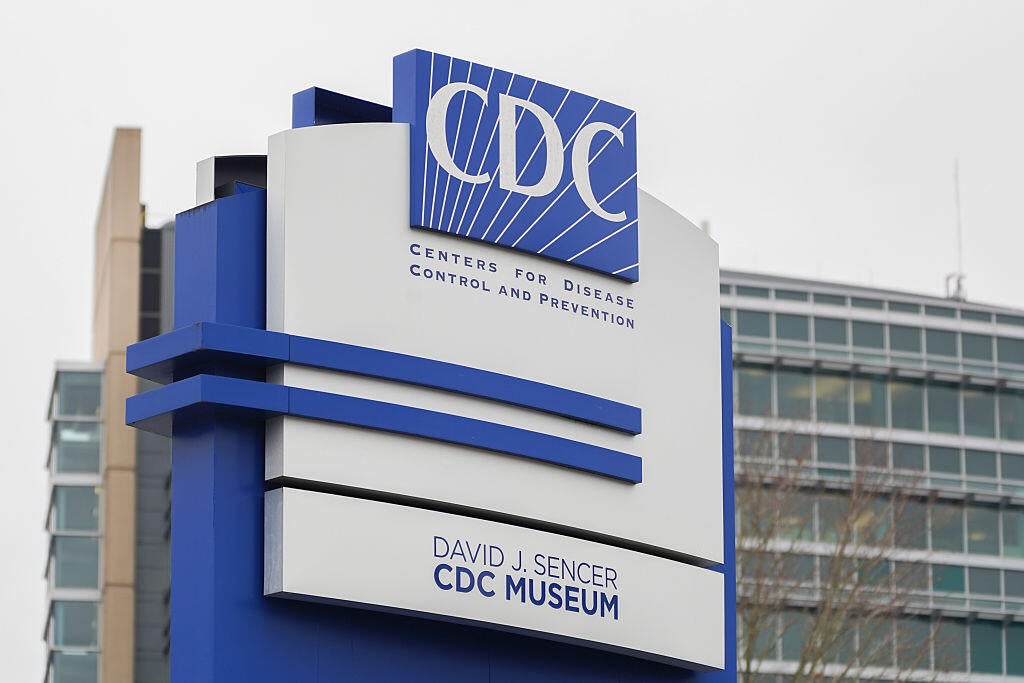
The American Academy of Pediatrics (AAP) made headlines on Monday by releasing new recommendations for childhood vaccines that sharply contrast with guidance issued by the Centers for Disease Control and Prevention (CDC) earlier this month. While the CDC now advocates for immunization against only 11 diseases, the AAP recommends vaccines for 18 infectious diseases, including respiratory syncytial virus (RSV), hepatitis A, hepatitis B, rotavirus, influenza, and meningococcal disease.
In a statement, AAP President Andrew Racine emphasized the commitment of the organization to provide vaccine recommendations that are firmly rooted in scientific evidence and that prioritize the health of infants, children, and adolescents across the United States. "The AAP will continue to provide recommendations for immunizations that are rooted in science and are in the best interest of the health of infants, children, and adolescents of this country," he said.
Dr. Amanda Kravitz, a pediatrician at Weill Cornell Medicine in New York, clarified during an interview on "CBS Evening News" that the AAP's vaccine schedule remains unchanged. "We are still recommending all of the vaccines that we have been recommending for many, many years," she noted, reassuring parents that the recommendations have not deviated from established guidelines.
Both the AAP and CDC concur on the necessity of several key vaccines, including those for diphtheria, tetanus, acellular pertussis (whooping cough), Haemophilus influenzae type b (Hib), pneumococcal conjugate, polio, measles, mumps, rubella, human papillomavirus (HPV), and varicella (chickenpox). Notably, some vaccines, such as the MMR shot, provide protection against multiple diseases simultaneously.
However, the CDC's recent guidance has sparked controversy. It suggests that only children in high-risk categories should receive immunizations for RSV, hepatitis A, hepatitis B, dengue, meningococcal ACWY, and meningococcal B. In contrast, the AAP maintains its recommendations for all of these vaccines, with the exception of the dengue vaccine, which it limits to children aged 9 to 16 who live in endemic areas and have had previous infections. The AAP also noted that the dengue vaccine was discontinued in the U.S. last year due to low demand.
The CDC's new guidance has led to a more individualized approach, advising parents of children not classified as high-risk to engage in "shared clinical decision-making" with their healthcare providers regarding vaccines for COVID-19, influenza, meningococcal disease, hepatitis A, and hepatitis B. Dr. Kravitz stressed the importance of communication between parents and pediatricians, stating, "It's important that you partner with your pediatrician. We are here to help you." She encouraged families to ask questions and seek clarity about vaccine recommendations.
In a pointed critique, the AAP labeled the CDC's guidance as "dangerous and unnecessary" and expressed concern that the new recommendations deviate from long-standing medical evidence. "The AAP formerly partnered with the CDC to create a unified set of vaccine recommendations, but recent changes to the CDC immunization schedule depart from longstanding medical evidence and no longer offer the optimal way to prevent illnesses in children," the organization stated.
Meanwhile, the U.S. Department of Health and Human Services, which oversees the CDC, defended the updated childhood vaccine schedule, asserting that it continues to protect children against serious diseases while aligning U.S. guidance with international standards. The department pledged to work with states and clinicians to ensure families receive clear and accurate information to make informed decisions.
Dr. Kravitz reassured families that insurance would continue to cover vaccines not recommended by the CDC, such as the flu and COVID-19 vaccines. "The way the CDC recommended them is there is still the option to get those vaccines if you'd like them, so insurance should cover every vaccine as long as parents want them," she stated.
The recent changes from the CDC follow a contentious December recommendation regarding the hepatitis B vaccine. Historically, the CDC had advised that the first dose be administered within 24 hours of birth. However, the CDC's vaccine advisory panel, appointed by Health and Human Services Secretary Robert F. Kennedy Jr., who has been a vocal critic of vaccines, voted to delay the initial dose until two months of age for infants born to mothers who test negative for the virus.
In an interview with CBS News, Kennedy defended the changes, asserting that the goal was not to restrict vaccine access. "We're not taking vaccines away from anybody. If you want to get the vaccine, you can get it. It's gonna be fully covered by insurance, just like it was before," he said. He acknowledged, however, that new requirements now necessitate consultation with a physician before administering the flu vaccine, which may lead to fewer people getting vaccinated.
As parents navigate these evolving recommendations, the stakes are high. Increasingly complex guidelines require transparency and trust between families and healthcare providers. The AAP’s clear stance in favor of comprehensive immunization reflects a commitment to addressing public health challenges while ensuring children's safety and well-being.
You Won't Believe What Happens When You Stand on One Leg for Just 30 Seconds! Shocking Benefits Inside!

AI Won't Save Us: The Startling Truth About Superintelligence & Climate Crisis You Must Know!

You Won't Believe What Dolphins' Dion Jordan Plans to Change at Eureka College - Shocking Reveal Inside!

You Won't Believe What Surprising Events The James Library Is Hiding This Spring!
Is Broadcom's (AVGO) Stock Set to Skyrocket by 200% by 2026? Don’t Miss This Shocking Prediction!

You Won't Believe What This Shocking Stat About 49ers TE Jake Tonges Reveals—Is He the Next Big Breakout Star?
You might also like: