
Measles Makes a Comeback: Are YOU and Your Kids at Risk? Shocking Numbers Inside!

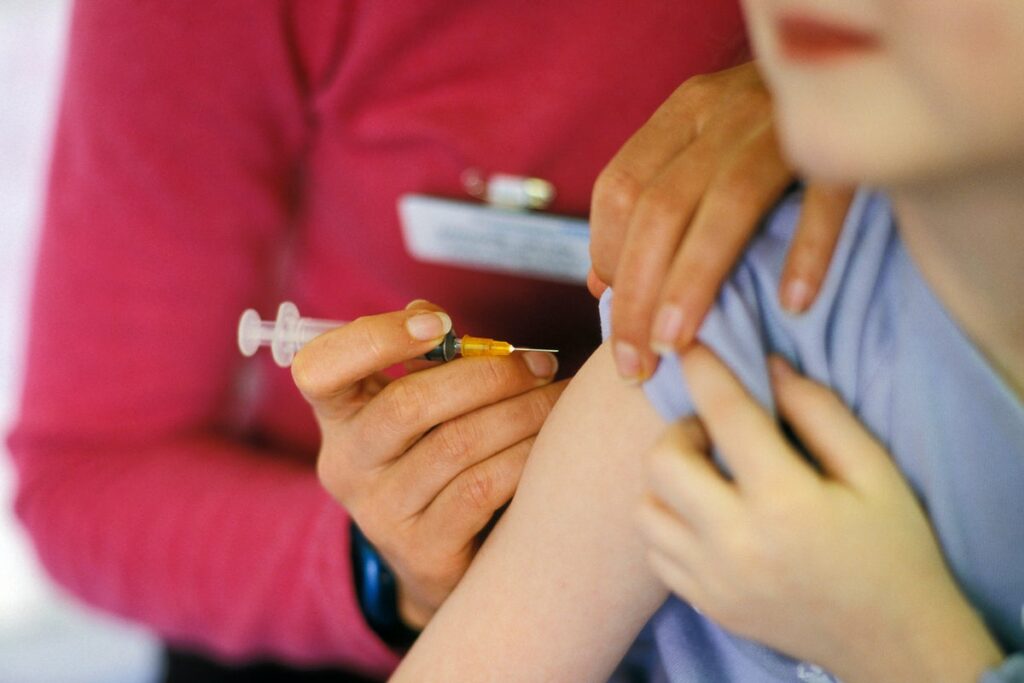
The World Health Organization (WHO) has confirmed that the UK can no longer claim to have "eliminated" measles, a significant public health concern for both the UK and potentially for other countries. Following a troubling surge in cases, with 3,681 reported in the year 2024 alone, health officials have stated that measles transmission has been "re-established" within the nation. This marks a sharp departure from the UK's previous status, where from 2021 to 2023, the country was celebrated for having eliminated the disease.
Dr. Vanessa Saliba, a consultant epidemiologist at the UK Health Security Agency (UKHSA), emphasized the implications of declining childhood vaccination rates, stating, “Infections can return quickly when childhood vaccine uptake falls. Measles elimination is only possible if all eligible children receive two MMRV doses before school.” She added that it is crucial for older children and adults who may have missed vaccinations to catch up on their shots. To address this issue, the NHS is making efforts to facilitate vaccination access, including an earlier offer of the second dose of the MMRV vaccine at an 18-month appointment, aimed at boosting uptake and supporting elimination objectives.
The decline in vaccination rates is alarming. The latest figures from the UKHSA indicate that only 91.9 percent of five-year-olds in England had received one dose of the MMR (measles, mumps, and rubella) vaccine in 2024/25—unchanged from the previous year and the lowest since the 2010/11 period. Furthermore, just 83.7 percent of five-year-olds had received both necessary MMR doses, a slight drop from 83.9 percent the year prior and the lowest level recorded since 2009/10. The WHO mandates that at least 95 percent of children should receive vaccinations to establish herd immunity, a threshold the UK is currently failing to meet.
In a bid to bolster immunity against measles, mumps, rubella, and chickenpox, UK health officials announced in January the introduction of the MMRV vaccine for children. This combination vaccine is designed to enhance protection and improve vaccination rates amid rising public health concerns.
Understanding Measles
Measles is recognized as one of the most contagious diseases affecting humans. A person infected with measles can spread the virus to 12 to 18 individuals who are not immune. The virus can linger in the air for up to two hours, allowing for transmission even after the infected person has left the space.
The early signs of measles typically manifest 7 to 14 days after exposure, including symptoms such as fever, cough, conjunctivitis, and a distinctive rash that begins on the face or neck before spreading to the rest of the body. Complications from measles are not uncommon, particularly among young children, and can include ear infections, pneumonia, and even encephalitis—swelling of the brain, which can lead to severe health issues. Pregnant women are also particularly vulnerable, facing increased risks of serious complications including preterm labor and stillbirth. Additionally, a rare and often fatal brain condition known as subacute sclerosing panencephalitis can occur years after recovery from measles.
The current situation is a clarion call for public health action. With measles cases on the rise due to declining vaccination rates, health authorities must rally to improve immunization coverage. As the UK strives to regain its status of disease elimination, the importance of community awareness and proactive vaccination cannot be overstated. It serves as a reminder that a collective effort is crucial in safeguarding public health while preventing the resurgence of preventable diseases.
You Won’t Believe How NestEdge Realty is Slashing Commissions and Transforming Westchester Real Estate!

You Won't Believe How Many Startups Are Competing—Vote NOW to Shape ABA TECHSHOW's Future!
Could This Shocking Call from National Policing Leaders Change Everything? You Won't Believe What They Want!
You Won’t Believe How This TikTok Star Made $975 Million Overnight—Find Out the Shocking Secret!

Deep-Sea Corals Could Disappear Sooner Than You Think—Are We Facing an Ecological Catastrophe?

Bitcoin OG Shocks the Market: Why a $63.6 Million Ethereum Bet Could Change Everything!
You might also like: