
France's Shocking Move: Why Kids Under 15 Might Lose Their Social Media Forever!

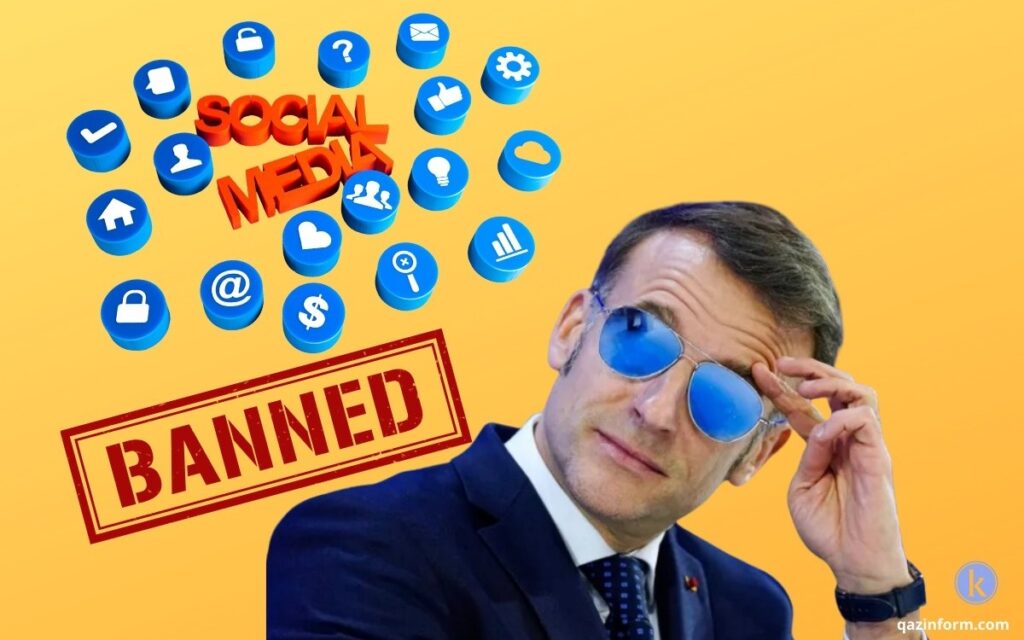
In a significant move aimed at safeguarding the mental health of minors, French President Emmanuel Macron has instructed his ministers to expedite the deliberation of a new bill that would enforce stricter age restrictions on social media usage. According to information obtained by BFMTV, the proposal is set to be reviewed by the National Assembly at the beginning of the week during a session reserved for the presidential majority group. This swift action signifies the government's commitment to addressing a pressing issue surrounding children's safety in the digital age.
In a recent video, Macron expressed gratitude towards lawmaker Laure Miller, who spearheaded a parliamentary inquiry into the effects of platforms like TikTok. The government has decided to back her draft law, which Macron describes as a straightforward response to a long-standing political promise to protect young users from the dangers of excessive screen time and manipulative algorithms.
“The brains of our children and our teenagers are not for sale. Their emotions are not for sale, neither by American platforms nor by Chinese algorithms,” said Macron, emphasizing the urgency of the matter.
The proposed legislation aims to ban social media access for children under the age of 15 and includes extended restrictions on mobile phone usage in schools, particularly in high schools. Current regulations already prevent mobile phone use from preschool through middle school, although enforcement has often varied.
The move by France aligns with a growing global trend. Australia has already set a precedent as the first country to ban social media access for users under 16, mandating that major platforms such as Instagram, Facebook, Snapchat, and YouTube block accounts belonging to underage users or face hefty fines. Meanwhile, the United Kingdom is actively considering similar age restrictions, conducting consultations on tighter online safety regulations and studying Australia’s pioneering approach to enhance children’s online well-being.
Additionally, India’s Government of Andhra Pradesh is contemplating similar age restrictions as part of broader measures to combat online abuse and misinformation. In Europe, countries like Denmark are discussing social media restrictions for children under 15, with options for parental exemptions. Other EU nations are also evaluating age verification processes and stricter platform rules to mitigate risks for younger users.
In the United States, several states, including Florida, have enacted laws limiting social media access for children under 14, while broader proposals to raise minimum ages or tighten platform regulations are facing ongoing federal legal challenges. As legislation in various countries evolves, it raises important questions about the responsibilities of tech companies and the role of governments in protecting youth.
Earlier, the Qazinform News Agency highlighted that Kazakhstan is also weighing the option of restricting access to social networks for children and adolescents, indicating a wider acknowledgment of the challenges posed by digital platforms.
The implications of these developments are profound. By addressing the potential harms associated with social media, governments worldwide are not only responding to public demand for safer online environments but also setting a precedent for how digital interactions are regulated. As more countries explore these measures, the conversation surrounding youth protection online is likely to intensify, underscoring the critical balance between digital freedom and safeguarding the well-being of younger generations.
Ethereum Whales Are Making MAJOR Moves: Here's What Could Happen If You Miss This!

You Won’t Believe What Happened at the White House Screening of Amazon’s ‘Melania’ Doc! 5 Shocking Revelations Inside!
You Won't Believe What Happened on Monday: 7 Lifestyle Hacks That Could Change Your Life Forever!

Unlock the Secret: 3 Shocking Lifestyle Changes to End Constipation NOW—Doctors Won't Tell You!
You Won't Believe What Happens When This Request Is Denied—The Shocking Truth Revealed!

You Won't Believe Which 5 Stars Are Jumping Ship After the National Title – Find Out Now!
You might also like: