
I Trained With Top AI Fitness Apps for 6 Months—You Won’t Believe How My Body Transformed!

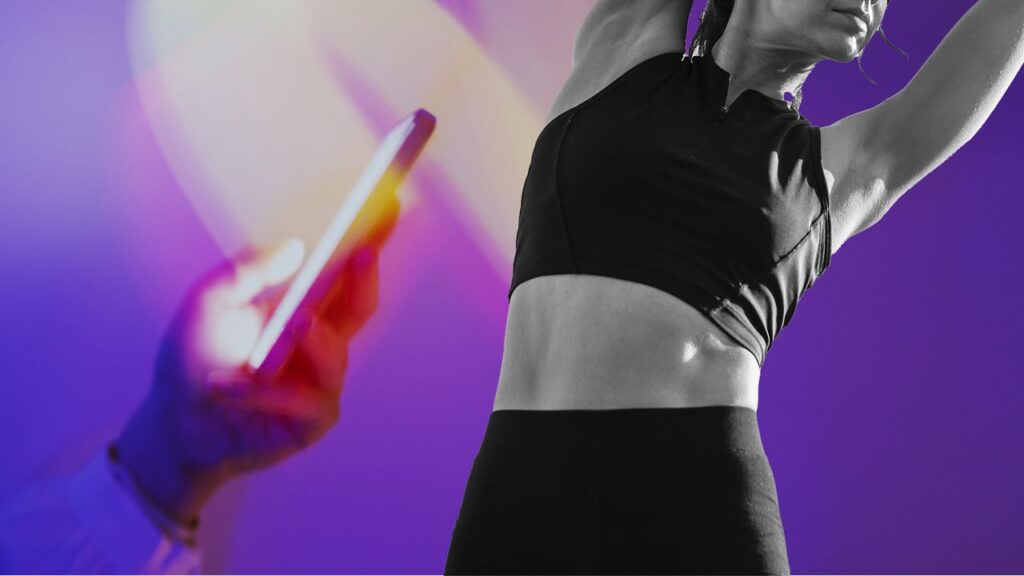
As the New Year rolls around, many people find themselves making resolutions to embrace healthier lifestyles. Like countless others, I promised myself that this would be the year I would finally establish a regular exercise routine. However, I approached my fitness goals differently this time, opting to explore the capabilities of AI fitness apps to assist me not just in setting my goals, but also in achieving them. Spoiler alert: these tools can indeed help, but not in the ways I expected.
When I embarked on my journey with AI fitness apps last summer, I approached it with a mix of skepticism and curiosity. Could an algorithm truly understand what motivates me? Up until that point, my attempts to create fitness programs were often haphazard, combining various workouts without any real insight into what my body actually needed. For instance, I engaged in a lot of High-Intensity Interval Training (HIIT) despite it being counterproductive for my body at that time. This led to low energy levels and even less motivation, creating a cycle that felt like I was perpetually battling against my own body.
To test the efficacy of AI fitness tools, I decided to use my Apple Watch and Oura Ring as bases for various applications. The goal was simple: could these data-driven assessments and timely reminders make a discernible difference in my fitness journey?
Recognizing Patterns with AI
In the early weeks, I quickly learned that these apps excel at recognizing patterns. My Apple Watch and Oura Ring tracked not only my workouts but also my rest periods, sleep, and stress levels. After about three weeks of use, the Apple Fitness+ app began to suggest workouts that aligned better with my daily routine. One Wednesday in July, when I was particularly pressed for time, it recommended a short 10-minute yoga session instead of the 45-minute HIIT workout I had planned. Initially, I felt disappointed—what was the point of a 10-minute session? Yet, I soon realized that was exactly the point: I had frequently overcommitted in the past and ended up failing to stick to my plans.
What surprised me most was how the personalized training plans became increasingly tailored to my needs. By August, as I incorporated regular strength training sessions, I saw a shift in the app's recommendations. It started suggesting a more varied array of workouts that not only helped break monotony but also covered different muscle groups. This newfound structure alleviated the decision fatigue that had often been a barrier to beginning my workouts.
Of course, there were times when the constant reminders felt overwhelming. For instance, instead of generic motivational phrases, I was more inspired by specific data points. Notifications such as, “You were active three times last week; would you like to continue this week?” felt far more motivating than vague nudges to exercise, which often added to my stress.
Another unexpected benefit was the surprisingly relatable feel of virtual trainers. Initially, I was apprehensive about jogging, a workout I genuinely disliked. However, with an AI trainer providing a motivating audio guide and upbeat music, the experience shifted dramatically for me. I found myself not only enjoying the moments but also looking forward to them. As the months went by, the app's recommendations adapted increasingly to my habits. By October, I recognized that quiet morning yoga sessions suited me far better, while I was brimming with energy for more intense workouts later in the day.
In conclusion, my experience with AI fitness apps has transformed my approach to exercise. While I started my journey with skepticism, I’ve found their ability to adapt to my individual needs surprisingly effective. This journey has taught me valuable lessons about listening to my body and finding balance, ultimately making fitness a more enjoyable endeavor rather than a chore. The intersection of technology and personal wellness could very well signal a new era in how we approach our health and fitness goals.
Macron's Shocking New Law: Will Kids Under 15 Be Banned from Social Media Forever?

Are These NFL Playoff Predictions About to SHATTER Your Super Bowl Dreams? Find Out NOW!
Gen Z is Revolutionizing Startups: Discover Their Secret Weapon That Investors Fear!

Japan's LDP Surges in Polls: What Shocking Secrets Are Behind This Unexpected Popularity?
Schools Across America Are Banning Smartphones—Find Out Why Thousands Are Furious!

Healthy Teens Are Dying From the Flu: Are You Protecting Your Family? Shocking Stats Inside!
You might also like: