
Shocking IVF Breakthrough: 70% of Couples Are Missing This Life-Changing Secret!

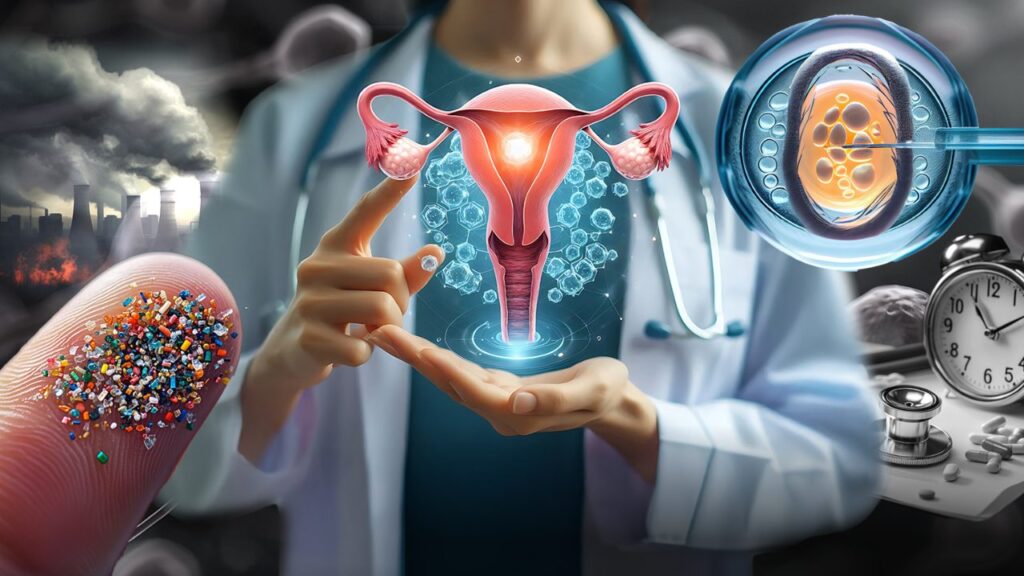
Infertility is becoming a significant concern, affecting nearly one in six couples of reproductive age, particularly in urban India, where rapidly changing lifestyles are contributing to the crisis. In a nation where an estimated 27 million couples are currently grappling with infertility, experts are investigating whether lifestyle changes can reverse this trend and how advancements in assisted reproductive technologies, particularly in vitro fertilization (IVF), are reshaping treatment effectiveness and affordability.
Recent discussions among fertility specialists reveal that lifestyle factors and environmental exposures are major contributors to declining reproductive health. According to experts, 40 to 50 percent of infertility cases can be attributed to lifestyle-related causes, which include hormonal disruptions, reduced sperm count and quality, impaired ovulation, and lower natural conception rates. These factors can also diminish IVF success rates in both men and women.
Key lifestyle contributors identified by doctors include obesity, sedentary behavior, smoking, alcohol consumption, poor diet, chronic stress, and exposure to environmental toxins such as microplastics and pollutants. Dr. P.M. Gopinath, Director of Reproductive Medicine at Kauvery Hospital, emphasizes the impact of everyday habits, stating, “If you look at the lifestyle, there are a lot of things like the increase in junk foods, delayed eating, no proper exercise, smoking, and alcohol. All of them attribute to infertility issues.”
Moreover, environmental stress cannot be overlooked. Experts warn that plastics and pollutants act as gonadotoxins, adversely affecting fertility by increasing oxidative stress and causing hormonal imbalances. Chronic psychological pressure adds another layer of complexity, further disrupting hormonal balance and reproductive function. Dr. Gopinath insists that lifestyle correction is foundational to any fertility treatment, stating, “You have to change your lifestyle, get into active practice in order to conceive or at least get a better success rate in assisted reproductive technologies like IVF and IUI.”
When it comes to treatment, doctors underline that fertility interventions must begin with lifestyle modifications. Avoiding gonadotoxic substances, improving diet, exercising regularly, and managing stress form the basis of any medical intervention. Dr. Madhupriya, Clinical Director and Fertility Specialist at Nova IVF Fertility, describes lifestyle management as the “sheet anchor” of infertility treatment. She cautions against the expectation that technology alone can deliver results without fundamental behavioral changes, stating, “Do not expect AI to bring better results without altering basic changes.”
On the technological front, India has seen significant progress in IVF outcomes over the past decade. For women under 35, average IVF success rates now range between 45 and 60 percent per cycle, thanks to improved laboratory standards and technology integration. Techniques like AI-assisted embryo selection, time-lapse imaging, and intracytoplasmic sperm injection are enhancing both precision and outcomes. Dr. Anuradha, Fertility Specialist at Prashanth Hospitals, highlights the importance of safety protocols, explaining how technology extends to sperm analysis to avoid mix-ups.
Once a gamete or embryo is identified, it is tagged and tracked throughout the IVF process to ensure accuracy. The use of automated databases in embryology and andrology labs allows clinics to manage high patient volumes while maintaining consistency. AI tools assist in record-keeping, image analysis, and assessing the quality and quantity of sperm, eggs, and embryos, which is critical in busy clinical settings.
Despite these technological advancements, experts caution that IVF cannot undo genetic damage or long-term toxin exposure. While IVF enhances egg and sperm performance, it cannot alter underlying genetic material. Dr. Madhupriya explains that insulin resistance related to obesity disrupts estrogen and testosterone balance, leading to anovulation and reduced natural conception. The presence of microplastics further exacerbates oxidative stress and hormonal issues, worsening fertility outcomes.
Crucially, experts agree that IVF alone is not a guaranteed solution. Even with advanced treatment, success rates range between 60 and 70 percent, heavily dependent on lifestyle corrections. “If you change your lifestyle habits, you can improve your success ratio for IVF,” Dr. Madhupriya notes, adding that a comprehensive approach involving medication, quality clinical care, and behavioral changes yields the best results.
As infertility rates continue to rise alongside environmental and lifestyle challenges, specialists emphasize the importance of awareness, early intervention, and informed decision-making. They encourage couples to consult fertility specialists before pursuing treatment, as assessing lifestyle factors, setting realistic goals, and exploring personalized options can significantly influence outcomes. Ultimately, experts conclude that lifestyle modifications and modern fertility care are not competing paths but rather complementary strategies that offer a more effective and sustainable route to parenthood for many couples.
Korea's Startups Are About to Explode! Discover the Shocking Changes Coming in 2026!

You Won't Believe How Snacking Habits Will Change in 2026: Discover the Shocking Truth Behind Fruit and Nut Craze!

Should Your Kids’ Smartphones Be Confiscated at School? Shocking Stats Reveal the Dangers!
Your Privacy Choices Exposed: 5 Shocking Secrets That Could Cost You Thousands! Don’t Miss Out!

You Won't Believe What Happens When Bridgewater and Charlap Hit the Tucson Stage! 5 Shocking Moments Revealed!

Former Lieutenant Governor’s Shocking Funeral Plans Revealed—You Won't Believe Who’s Attending!
You might also like: