
CDC's Shocking $5 Billion Funding Freeze: What Could It Mean for Your Health?

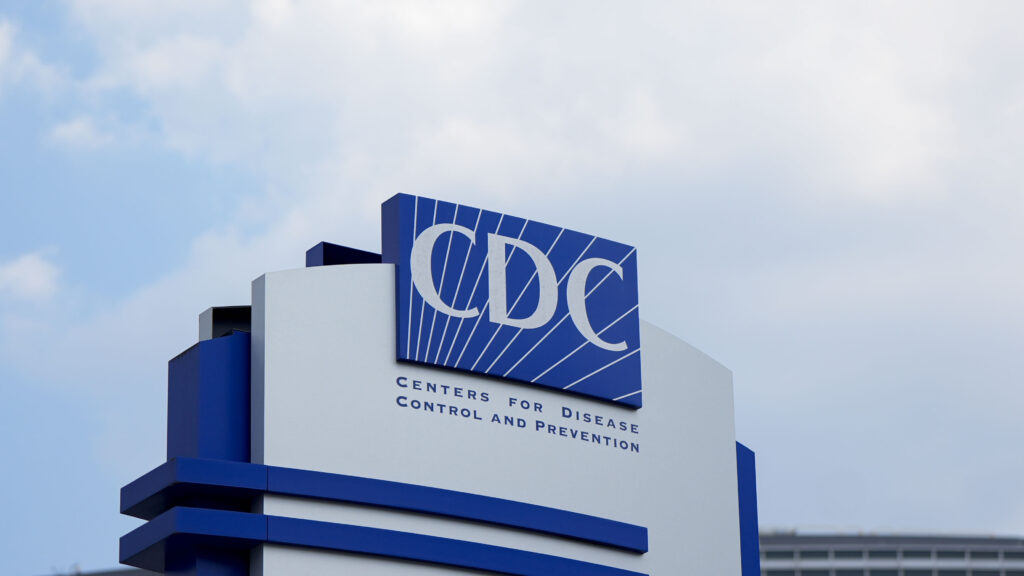
In a significant move that could impact public health initiatives across the United States, federal officials have put a hold on more than 100 grants, totaling over $5 billion, designated to strengthen public health infrastructure in various states. The announcement was made on Friday, impacting funds awarded through the Centers for Disease Control and Prevention's (CDC) public health infrastructure grant program.
States and organizations that had previously received funding were alerted that the disbursement of these grants is now on pause while the Department of Health and Human Services (HHS) conducts a review to ensure the funds align with the administration’s priorities. This initiative has raised concerns among health officials and community organizations who rely on these funds for essential public health projects.
According to a statement from HHS spokesperson Andrew Nixon, “The Public Health Infrastructure Grants were temporarily paused so HHS could implement a new review process, one that will ensure funds are used for their intended purposes. HHS will continue to protect taxpayer money and ensure they are used for legitimate purposes.” This review process is framed as an effort to optimize the use of taxpayer dollars, but it has also echoes of the heightened scrutiny the Trump administration has applied to health care grants over the past year, particularly those that intersect with issues of diversity, equity, and inclusion.
This recent decision follows a broader trend where the Office of Management and Budget (OMB) has requested federal agencies to compile detailed lists of funding distributed to states, particularly those led by Democrats. While the OMB categorized this as a measure to combat fraud, it raises alarm about potential politically motivated funding decisions.
The five-year grant program, which began distribution in late 2022, serves all 50 states and the District of Columbia, as well as three organizations that support public health departments, covering 107 departments across the nation. Typically, additional allocations are sent to grantees each December, meaning many organizations had just received updated funding last month. Recipients have utilized these funds to modernize mental health scheduling systems, enhance health surveillance systems, and standardize hiring processes for community health workers, crucial elements in addressing the public health needs of their communities.
This hold on funding comes at a critical time when public health departments are still navigating the repercussions of the COVID-19 pandemic. Many states have been striving to rebuild and enhance their public health infrastructure, which has been underfunded for years. The uncertainty surrounding this funding freeze could hinder ongoing efforts to improve health services, leaving vulnerable populations at risk.
As this situation develops, it remains to be seen how the review process will unfold and what the long-term implications will be for public health funding in the U.S. Stakeholders across various health sectors are closely monitoring this situation, hoping for transparency and a swift resolution that prioritizes public health over political considerations.
This $1 Trillion Pension Event Could Change Your Retirement Forever—Are You Missing Out?

Bitcoin Could Skyrocket to $180,000 – But Only If It Breaks This Shocking Barrier! Are You Ready?

Is YOUR Community Ignoring the Alarming Rise of Lifestyle Diseases? Discover the Shocking Stats Now!

You Won’t Believe How Much Snow Just Buried These Cities—Watch the Shocking Footage!

You Won't Believe the Hidden Secrets of This Stunning Palisade Property—Complete with a Vineyard!

You Won’t Believe Which Source People Trust More Than Doctors for Health Advice—Shocking Study Reveals!
You might also like: