
Your Phone Is 10X Dirtier Than Your Toilet! 5 Shocking Reasons You MUST Clean It NOW!

In a world where smartphones are almost an extension of ourselves, we often neglect one of the most critical aspects of their use: cleanliness. As we carry our devices everywhere—from public transport to the bathroom—many of us fail to consider just how dirty our phones can become. Dr. Meena Jha from Central Queensland University highlights this oversight, noting that while most individuals wash their hands several times a day, they frequently overlook cleaning their smartphones.
A 2017 study by scientists at the University of Arizona revealed that cell phones harbor ten times more bacteria than the average toilet seat. Fast forward to a 2025 study published by the National Library of Medicine, which examined 20 mobile phones across ten geographical regions. Researchers identified a staggering 2,204 microbial traces, including 882 bacteria, 1,229 viruses, 88 fungi, and five protozoa. Alarmingly, the study found 65 distinct antibiotic resistance genes and 86 virulence genes, with plant, animal, and human pathogens among the bacteria detected. This research paints a concerning picture of the microbial landscape we unknowingly carry in our pockets.
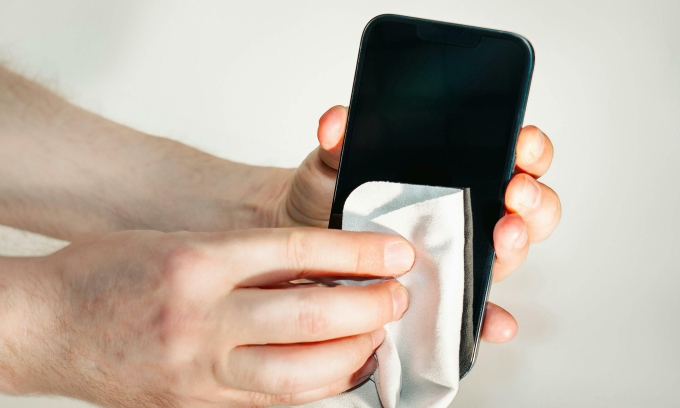
So, how can users effectively clean their smartphones? According to tech site BGR, the process involves two steps: wiping and disinfecting. Users should wipe their devices daily using a dry microfiber cloth to remove skin oils, dust, and residue. For a more thorough disinfection, BGR recommends doing this on a weekly basis.
For stubborn stains or intensive disinfection, slightly dampening a cloth with diluted isopropyl alcohol at approximately a 50% concentration is advised. Ethyl alcohol wipes are an alternative, though they are less recommended because they take longer to dry. BGR suggests disinfecting phones after making calls in public places, looking up recipes in the kitchen, or after using phones in bathrooms.
However, caution is necessary when cleaning smartphones. Experts warn that improper cleaning methods or materials can damage devices, especially for users who clean frequently. Strong chemicals can erode the screen's protective coating and may seep into openings, harming internal components. Both Apple and Samsung specifically advise against using bleach, hydrogen peroxide, vinegar, aerosol sprays, glass cleaners, or high-concentration alcohol wipes exceeding 70%.
The choice of cleaning materials also matters. Users should avoid abrasive materials on touchscreens, as they can cause scratches. Instead, all cleaning materials should be soft, clean, and non-irritating to the skin. Toilet paper, low-quality tissues, and most clothing fabrics are not recommended, as they could further harm the device.
Even smartphones that boast an IP67 water resistance rating, which allows them to withstand immersion for about 30 minutes at a depth of one meter, should be wiped with a damp cloth rather than rinsed under running water. After cleaning, devices should then be dried with a soft cloth, ensuring that all ports and speakers are completely dry. Water resistance is intended for accidental exposure, not as a means for regular cleaning.
In an age where hygiene is more important than ever, understanding the implications of smartphone cleanliness is crucial. The data from recent studies not only highlights the unseen bacteria we carry with us but also emphasizes the importance of regular and correct cleaning practices. As we navigate through our day-to-day lives, it’s essential to remember that our smartphones, while incredibly useful, also require proper care to maintain both their functionality and our health.
Is Your Late-Night Snack Sabotaging Your Sleep? Discover the 3 Shocking Culprits!

Wizards vs. Hornets: Shocking Game Time Change Will Leave Fans Reeling – Here's What You MUST Know!

Gym Horror: Shocking 24-Hour Fitness Shooting Leaves One Injured—What Really Happened Inside?

Ravens Shock the NFL: Why Hiring Jesse Minter Could Change Everything—And Wait, Eric Bieniemy's Return?

$360,000 for a Home? You Won't Believe What Comes With It in This Shocking Deal!

Railway Just Landed $100M—Here’s How They’re About to Revolutionize Your App Deployments!
You might also like: