
Australia's Shocking New Law: Why Kids Under 16 Are Now Banned from Social Media!

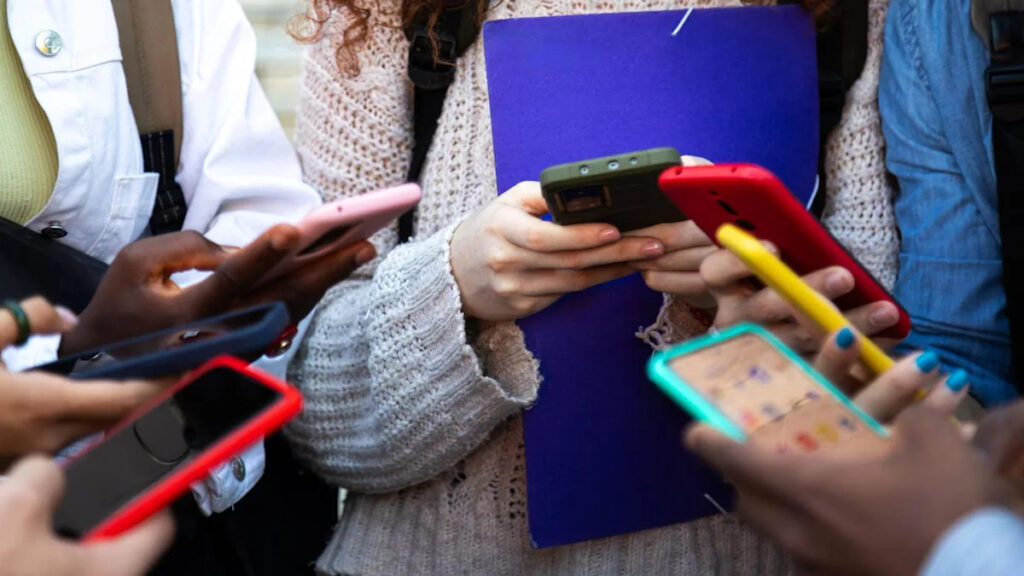
In a groundbreaking decision, the Australian government has enacted a ban on social media platforms for users under the age of 16. This significant move affects major platforms, including TikTok, X (formerly Twitter), Facebook, Instagram, YouTube, Snapchat, and Threads. The ban prohibits under-16s from creating new accounts, and existing profiles have been deactivated.
The Australian government has characterized this ban as a necessary step to mitigate the adverse effects of social media on young users. A study commissioned in 2025 revealed that a staggering 96% of children aged 10-15 were active on social media, with seven out of ten exposed to harmful content. This troubling material ranged from misogynistic and violent content to posts that promote eating disorders and suicidal thoughts. Additionally, one in seven children reported incidents of grooming behavior from adults or older peers, while over half had encountered cyberbullying.
📰 Table of Contents
Understanding the Scope of the Ban
Ten platforms are included in the ban, which are evaluated based on three criteria: whether the platform is primarily for social interaction, whether it allows user interactions, and whether it permits users to post material. Notably, YouTube Kids, Google Classroom, and WhatsApp are excluded from this ban due to their different functionalities. Despite this restriction, under-16s can still access most content on platforms that do not require an account.
Critics of the ban have called for its extension to encompass online gaming sites such as Roblox and Discord, which are not currently subject to these restrictions. In response to growing concerns, Roblox announced plans to implement age checks on some features by November 2025.
Enforcement and Compliance
While the ban primarily targets social media companies, children and parents will not face penalties for non-compliance. Instead, social media firms could incur fines of up to A$49.5 million (approximately US$32 million) for serious or repeated violations. The government requires these platforms to take "reasonable steps" to verify ages using various methods, including government-issued IDs and biometric recognition technologies. Notably, platforms cannot rely solely on self-certification or parental approval.
Meta, which operates Facebook, Instagram, and Threads, began the process of closing teen accounts on December 4, 2025, and reportedly blocked around 550,000 accounts shortly after the ban was implemented. Snapchat has also established measures for age verification, allowing users to use bank accounts or photo IDs for this purpose.
Responses to the Ban
The initial announcement of the ban sparked concern among social media companies, which claimed that implementing such measures would be complex and could potentially expose teens to greater risks online. The platforms argued that the law might inadvertently drive young users to less regulated areas of the internet, diminishing their access to social interactions.
Some teens have expressed mixed feelings about the ban, with some feeling "free" from social pressures, while others reported it had little impact on their online habits. Many attempted to sidestep the ban by creating fake profiles or using joint accounts with parents.
The legislation has also generated discussions around data protection, as critics raised alarms about the extensive data collection required for age verification. Australia has experienced high-profile data breaches in the past, leading to concerns about the security of sensitive personal information. The government has stated that the legislation includes stringent protections for personal data, limiting its use strictly to age verification and mandating its destruction afterward, with serious penalties for any breaches.
International Context
Australia's legislation is part of a broader global conversation about protecting children from online harm. Denmark has proposed a similar ban for users under 15, and Norway is contemplating the same. The UK has introduced safety regulations that impose hefty fines on companies failing to protect young users, and a recent amendment suggests banning under-16s from social media altogether. In contrast, a proposed ban in Utah targeting users under 18 without parental consent was blocked by a federal judge in 2024.
As Australia takes this unprecedented step, other nations are closely observing the implications of such a ban. The balancing act between safeguarding children and ensuring their freedom online remains a complex challenge for governments worldwide.
You Won’t Believe How This DNA-Tech Breakthrough Is Changing Silver Nanostructures Forever!

This Weekend Only: Discover the Shocking Secrets Behind Whatcom County's Hottest Art and Hip-Hop Scene!
This New Pixel Bug Could Expose Your Private Conversations—Is Your Phone at Risk?

You Won't Believe What Governor Gordon Just Agreed to with the U.S. Forest Service—Shocking Consequences Ahead!

Why Today’s Stock Market Surge Is Shocking Experts: Are You Missing Out on Massive Gains?
Yelp Just Dropped $300M on an AI Startup—Here’s What That Means for Your Business!
You might also like: