
You Won't Believe How Much Your Take-Home Pay Could Change After This Election! Discover the Shocking Details Now!

News from Japan
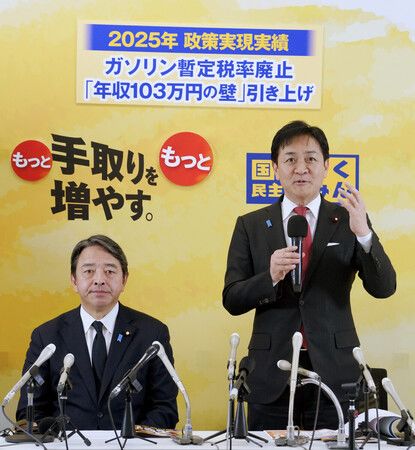
In a bid to reshape economic policies ahead of the upcoming House of Representatives election scheduled for February 8, 2026, Japan's opposition party, the Democratic Party for the People (DPFP), unveiled its pledges aimed at increasing the take-home pay of citizens. This announcement comes at a critical time as Japan grapples with economic challenges, including stagnant wages and rising living costs.
The DPFP is advocating for a significant reduction in the consumption tax, proposing to lower it from the current rate to 5 percent. This move is designed to relieve the financial burden on consumers, particularly those struggling with everyday expenses. Additionally, the party has suggested increasing the deduction for residential tax, which could further ease the tax load on homeowners.
One of the most notable pledges is the proposal to eliminate the income cap linked to a policy that aims to raise the minimum annual taxable income level to 1.78 million yen (approximately $12,000). By removing this cap, the DPFP intends to create a fairer tax system that does not penalize lower-income earners. Furthermore, the party has committed to not raising taxes in the near future, a promise that could resonate with voters concerned about financial security.
As part of its broader vision for social security reform, the DPFP has proposed a system that would refund a portion of insurance premiums. This initiative aims to ease the financial strain on citizens while encouraging small businesses to raise wages without incurring additional costs. The party is also pushing for the abolishment of a surcharge on public medical insurance premiums, which is intended to finance support for children and child-rearing.
Another significant aspect of their plan includes ending a surcharge on electricity bills designed to promote renewable energy. By eliminating this surcharge, the DPFP hopes to provide immediate financial relief to households while encouraging sustainable practices in the long term.
This election is seen as a pivotal moment for the DPFP, which has positioned itself as a viable alternative to the ruling party amid growing discontent with the current economic situation. By focusing on practical measures to enhance citizens' take-home pay and alleviate tax burdens, the DPFP aims to connect with voters who are increasingly frustrated by stagnant wage growth and rising living costs.
The implications of these pledges are profound for the average Japanese citizen. If the DPFP's proposals gain traction and are implemented, they could lead to tangible improvements in the quality of life for many, particularly those in lower income brackets. The party's focus on tax reductions and social security reforms indicates a shift towards more progressive economic policies that prioritize the needs of the populace over traditional fiscal conservatism.
As the campaign unfolds, all eyes will be on the response from voters and the ruling administration, which will likely feel the pressure to address these emerging issues. The upcoming election not only represents a choice in leadership but also a critical juncture for Japan's economic future, as the public evaluates the effectiveness of proposed reforms against the backdrop of their daily financial realities.
Is Your 401(k) at Risk? Russell 2000 Soars to Record High—Find Out How to Cash In!

Trump’s Shocking Warning: “Soon, People Will Face Prosecution!”—Who’s in His Crosshairs?

Is Your Dream Home Slipping Away? White House Unveils Shocking New Affordability Plans!

Veterans and Non-Traditional Learners: Discover How This Shocking Partnership Could Change Your Future!

Why Abortion Is Set to Become the Hottest Debate of 2024—You Won’t Believe What’s at Stake!

Democratic AGs Issue URGENT Warning: Are You Prepared for the 2026 Election Battle? Shocking Details Inside!
You might also like: