
Rural California's Election Shock: Can This Underdog Progressive Flip a 30-Year Conservative Stronghold?

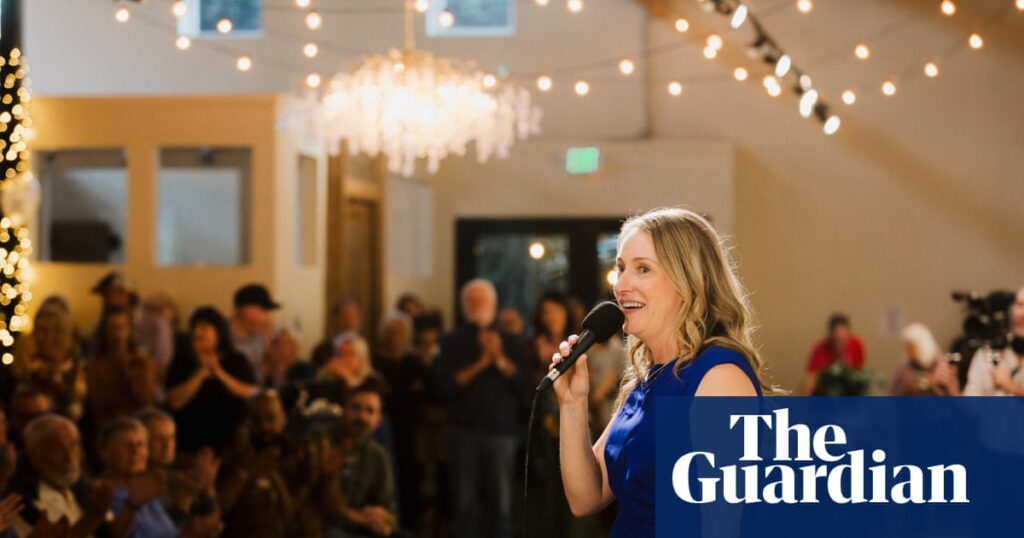
In a modest Craftsman home nestled in California's northern Sacramento Valley, 41-year-old Audrey Denney is immersed in the daily grind of political campaigning. With the phone pressed to her ear, she reaches out to constituents, discussing pressing issues like soaring healthcare costs, rising wildfire insurance premiums, and cuts to vital benefits—all while soliciting donations for her campaign.
This grassroots effort exemplifies the uphill battle Denney faces as she works to gain control of a congressional seat long held by Republicans. Denney, a Democrat, has pledged to shun donations from corporate PACs, focusing instead on the needs of the people in a region that has reliably leaned red for nearly half a century.
California's first congressional district, where Denney aims to make her mark, stretches from the fertile almond orchards and rice fields of the Sacramento Valley to the wildfire-prone foothills of the Sierra Nevada and Cascades. In a significant political shake-up, the district was redrawn to favor Democrats through a bold redistricting initiative, opening a window of opportunity for Denney. The new boundaries now encompass areas that could swing Democratic for the first time in years, after Republican Doug LaMalfa, the district's longtime representative, succumbed to an unexpected death on January 6.
This upcoming election will be a unique challenge; voters will first select a candidate to fill LaMalfa's remaining term under the old district map, followed by a fresh election in November utilizing the new boundaries. The stakes are high, not just for Denney and her constituents, but for the balance of power in Congress, where Republicans currently hold a fragile five-member majority.
“There’s all kinds of huge threats happening at once,” Denney states emphatically. “They’re all connected. The economic and political systems that we are a part of are serving corporate greed and billionaires at the expense of regular people. This is not the democracy we want to live in.” Her urgency is palpable as she rallies support, emphasizing the need for elected officials willing to confront these systemic issues head-on.
The residents of California's first district face a multitude of challenges. The area has been reeling from a housing crisis exacerbated by years of devastating wildfires that have devastated nearly 40% of the land in the last decade. These fires have driven up home insurance costs to staggering heights. Moreover, many families are struggling with rising health insurance premiums. In a particularly troubling turn, a local community lost its only emergency room after federal designations were removed, leaving residents without critical medical care.
Denney's campaign is marked by accessibility; she actively engages with constituents, whether at protests or community events, listening to their struggles and aspirations. “Maybe it’s because I used to be a bartender,” she quips, noting the approachable nature of her candidacy. Since announcing her campaign, Denney has logged thousands of phone calls and traveled extensively throughout the district, visiting communities affected by fires and hosting events in local coffee shops to hear firsthand about residents' concerns.
Her focus on issues such as wildfire insurance and the necessity for a nonprofit single-payer healthcare system stems from her belief that these are fundamental to ensuring rural healthcare viability. Denney is also advocating for permanent funding increases for rural schools and collaboration with federal agencies to promote ecological health in a district where nearly 42% of the land is federally owned.
Despite her dedication, Denney faces significant obstacles. The district's political landscape has remained staunchly conservative, with LaMalfa having held his position for seven terms and consistently winning elections. Even as California has shifted left in many respects, Trump's influence reverberates in this region. In the 2024 election, Trump achieved 61% of the vote compared to Kamala Harris's 36%.
LaMalfa's long tenure came with a reputation built on community trust. He was well-known for his work on water and forestry policies and was a steadfast supporter of former President Trump. However, his controversial positions—including skepticism about climate change—had begun to fuel discontent among some constituents, particularly as a series of wildfires ravaged their homes.
Denney has previously challenged LaMalfa for the seat in 2018 and 2020, narrowing his lead significantly, but ultimately falling short. The recent redistricting has sparked renewed hope among Democrats, making this special election a crucial test of Denney's viability as a candidate. Yet, political analysts remain skeptical. Matt Rexroad, a Republican consultant, stated, “A Democrat winning the special election is an impossibility. They love President Trump, and a Republican will win the seat.”
Denney's opponent in this race is state lawmaker James Gallagher, a former minority leader and close associate of LaMalfa. Gallagher has received endorsements from LaMalfa’s family, including his widow, Jill LaMalfa, who expressed her desire to continue her late husband's legacy.
Despite the odds, Denney remains hopeful. She believes that her commitment to fighting for the community can resonate with voters. “I’ve been fighting for our communities in the north state, especially when things are hard,” she asserts. Her campaign, she believes, is about more than winning a seat; it’s about restoring a voice and representation that prioritizes the people over corporate interests.
As the political landscape shifts, all eyes will be on this pivotal election. The outcomes will not just influence the future of California's first congressional district but could also impact the broader dynamics in Washington. Political scientist Christopher Witko notes that Denney’s performance could raise alarms for Republicans if she manages to show unexpected strength, particularly in the upcoming special election.
With her schedule packed with events, forums, and countless phone calls—often resulting in individual donations of just $10 or $50—Denney embodies the essence of grassroots campaigning, working tirelessly to foster a sense of community ownership in the electoral process. “I think it’s beautiful and it’s inspiring,” she adds, reflecting on the support she receives. And with that, she picks up the phone once more, ready to connect with another voter, each call a step toward claiming her share of the political landscape.
You Won’t Believe Who Made the Cut: NFL MVP Finalists Revealed—Prepare for Shocking Upsets!

Charlotte Man’s Shocking $1M Crypto Loss: Could YOU Be Next in This Phone Scam?

Shocking Twist: Union Vote Could Be Useless—Is This Company About to Close for Good?

You Won't Believe What's Happening in Pie Town: A $2 Million Hotel Plan Sparks Controversy!
You Won't Believe What This 'Lisa' Red Lotus Sea Meme Reveals – Is It Real or AI? Discover NOW!

Marc Anthony’s Shocking Response to Brooklyn Beckham’s Wedding Drama Will Leave You Speechless!
You might also like: