
RFK Jr. Sparks Outrage in the Snack Capital: The Shocking Truth About Processed Foods That Could Change Your Health Forever!

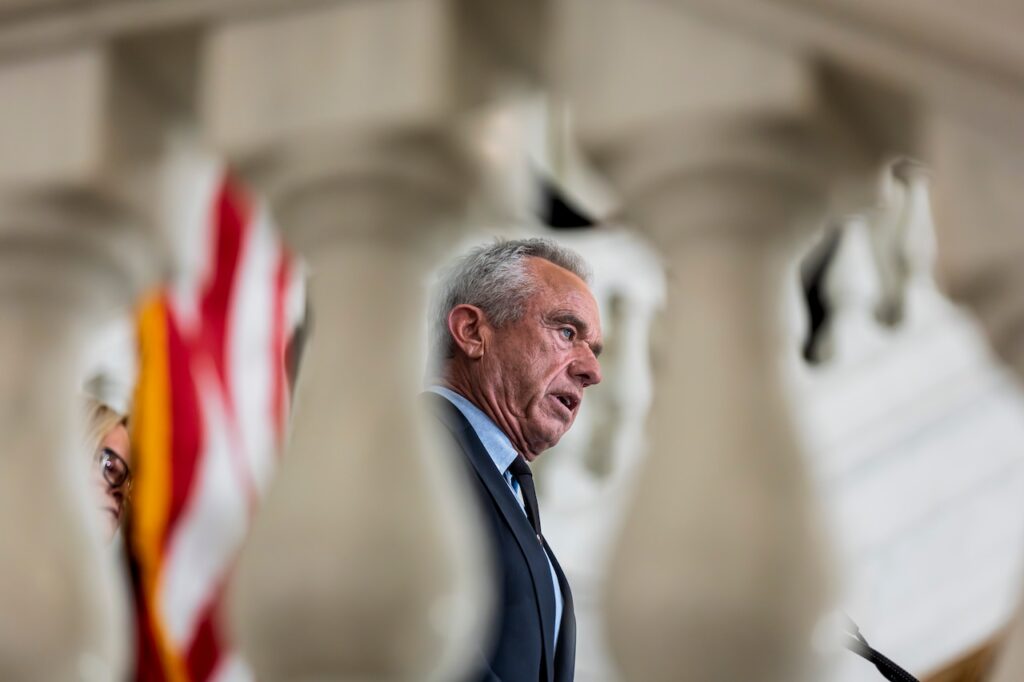
On Wednesday, U.S. Health Secretary Robert F. Kennedy Jr. arrived at the Pennsylvania state Capitol to advocate for his health policy agenda, surrounded by a chorus of supportive Republican lawmakers. The choice of venue was notably ironic, as it positioned him among the state's most prominent snack food producers, from the potato chip and cheese puff manufacturers of York County to the global giant Hershey Foods, located just miles away.
Kennedy's visit was part of his campaign to promote the "Make America Healthy Again" (MAHA) initiative, which includes newly announced dietary guidelines aimed at combating the rising rates of chronic illnesses among Americans. He urged citizens to significantly cut back on ultra-processed foods, a category now encompassing items like white bread, flour tortillas, and various snacks. The mantra of the day—emphasized repeatedly by both Kennedy and the lawmakers present—was "eat real food."
During his speech, Kennedy took aim at large agribusiness companies that have, over the years, heavily influenced Congressional policies, contributing to what he termed "one of the unhealthiest diets in the world." He cited alarming trends, including the surge in obesity, diabetes, allergies, and autoimmune diseases, particularly among children. "That impulse, that universal impulse, is what drove Fruit Loops to the top of the food pyramid," he quipped, eliciting laughter from the Capitol crowd.
Kennedy elaborated on the new dietary guidelines, which he claimed would not only reshape school lunches and meals for veterans but also instigate changes in the marketplace. His message was clear: ultra-processed foods are linked to chronic illness and contradict the objectives of the MAHA initiative. This perspective was welcomed by Pennsylvania's agricultural sector, which produces a wealth of popular fruits and dairy products, generating billions in revenue annually.
Rep. David Rowe, a Republican representing an agrarian district, noted the significance of Pennsylvania's agricultural output, emphasizing the need for healthier food options amid worsening health outcomes. However, this message finds itself at odds with Pennsylvania's robust snack food industry, which boasts over $5.1 billion in annual sales. By 2026, the snack food production market in the state is estimated to be worth around $3.3 billion, according to industry advocates.
Recognizing the importance of the snack sector, the Consumer Brands Association has designated Pennsylvania as the "Snack Food Capital of the World." This title is underscored by the presence of major companies like Hershey and Utz Brands, which play a crucial role in the $111 billion snacks and packaged goods market in the state. In response to Kennedy’s initiative, Alex Baloga, President and CEO of the Pennsylvania Food Merchants Association, asserted that the snack industry is committed to providing "healthy, affordable options" to meet consumer demands.
Hershey, known for its array of iconic candy brands, emphasized its alignment with the MAHA initiative, stating, "Our portfolio offers a broad range of snacking choices... We’re focused on meeting consumers across the variety of snacking occasions they’re seeking." The company echoed sentiments from the National Confectioners Association, which affirmed the role of dietary guidelines in promoting balanced nutrition and recognizing that treats, like chocolate and candy, should not replace meals.
Echoing these sentiments, Sen. Kristin Phillips-Hill, a Republican from York County, celebrated her district’s agricultural richness while acknowledging the presence of significant snack manufacturers. She highlighted ongoing initiatives by companies like Utz to improve their product offerings, such as the commitment to remove artificial colors and dyes from their snacks by the end of 2027.
Moreover, Phillips-Hill pointed to Utz’s Boulder Canyon brand, which has gained popularity for using healthier ingredients. The brand's campaign aims to promote "real moments and simple pleasures," a sentiment that resonates with the current consumer trend toward less processed, healthier options.
For small business owners like Misty Skolnick, co-owner of Uncle Jerry’s Pretzels, Kennedy's health policy supports a growing consumer movement. "Consumers are avoiding highly processed packaged foods... They want brands that they can trust," she said. Her family-owned company, which specializes in hand-twisted pretzels made with just five ingredients, exemplifies this trend toward transparency and simplicity in food production.
As more consumers become health-conscious, big snack companies are adapting by acquiring brands that align with the demand for natural and organic options. Skolnick noted, "Instead of creating from scratch, many food companies are just acquiring new brands," reflecting a significant shift in the industry.
With health concerns becoming increasingly prominent in American society, Kennedy’s MAHA initiative may serve as a pivotal moment for both consumers and producers. As Pennsylvania’s snack food landscape continues to evolve, it will be interesting to see how companies balance the call for healthier options with the demand for convenience and indulgence.
Musician Casey Lowery's Shocking Call: Ban Social Media for Kids Under 16—Here's Why You Must Know!

Scammed Out of $300K: The Shocking Truth Behind Fake Real Estate Listings in Minnesota!
You Won’t Believe What This New Fitness Guru at KRDO13 Just Revealed About Summer Strong!
You Won't Believe What Eric Bieniemy's Shocking Return Means for the Chiefs in 2026!

Trump's Shocking Mistake in Davos: Why Calling Greenland 'Iceland' Could Change Everything!
Election Frenzy: Why Parties Are Spending $1 Billion on Social Media—You Won't Believe the Shocking Reasons!
You might also like: