
New Study Reveals Shocking Truth: Just 5-Minute 'Exercise Snacks' Could Transform Your Health!

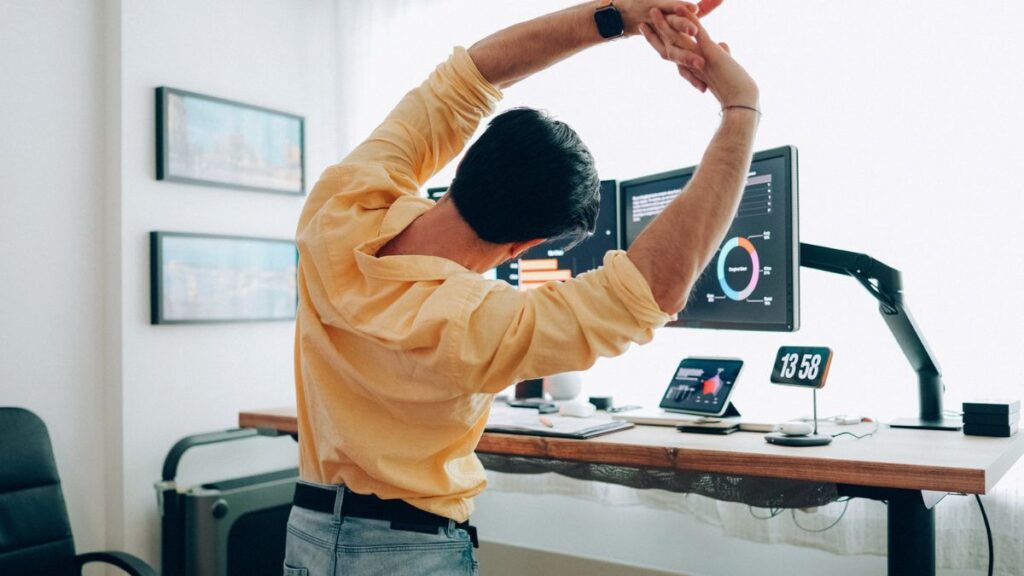
Your fitness tracker may be urging you to clock in 10,000 steps or dedicate 30 minutes to cardio every day. But what if you could enhance your health in just a few minutes daily? A burgeoning body of research suggests that you can, thanks to the innovative concept of "exercise snacks."
These "snacks" are brief, vigorous bursts of exercise, typically lasting one minute or less, sprinkled throughout your day. Imagine climbing a few flights of stairs, doing squats during a work break, or squeezing in a quick set of jumping jacks before lunch. Rather than being performed back-to-back, these snacks are integrated into your daily activities, separated by one to four hours of regular tasks like working, commuting, or unwinding in front of the TV.
Unlike high-intensity interval training (HIIT), which focuses on multiple intense exercises within a single 20-minute session, exercise snacks resemble grazing rather than a full meal, making them more accessible for busy individuals.
A recent meta-analysis published in the British Journal of Sports Medicine found that exercise snacks significantly improved cardiorespiratory fitness in previously sedentary adults. The review concluded that these brief workouts not only delivered meaningful health benefits but also saw an impressive 83% of participants maintaining their routines for up to three months.
Breaking Down the Benefits
Around one-third of adults globally are not getting enough physical activity. The reasons are often the same: lack of time and motivation. Exercise snacks aim to address both obstacles directly. In a 2019 study, sedentary young adults were instructed to vigorously climb a three-flight stairwell three times daily, with one to four hours of recovery between sessions. Each session included a brief warm-up of jumping jacks, squats, and lunges. After six weeks, the stair climbers exhibited significant improvements in cardiorespiratory fitness compared to a control group, a key marker linked to longevity and reduced cardiovascular disease risks.
What makes exercise snacks particularly appealing is their efficiency. Current guidelines recommend 150 minutes of moderate-intensity physical activity or 75 minutes of vigorous activity weekly. In contrast, exercise snacks can deliver measurable health benefits in far less time—sometimes just a few minutes daily. A 2024 randomized controlled trial compared stair-climbing exercise snacks to 40 minutes of moderate-intensity cycling three times weekly. Remarkably, the exercise snacks group—doing three 30-second, all-out stair climbs per session—improved their fitness by 7%, while the cycling group showed no significant change.
The potential benefits extend beyond fitness. A large-scale study involving over 25,000 adults who were not exercising found those accumulating just three to four minutes of vigorous activity daily—through fast walking or stair climbing—had a 40% lower risk of dying from any cause and nearly a 50% lower risk of dying from cardiovascular disease compared to those who did not engage in such activities.
There's also evidence that exercise snacks can improve blood sugar levels. Research indicates that brief, intense exercise snacks performed before meals can mitigate post-meal blood sugar spikes in people with insulin resistance, potentially aiding those concerned about metabolic health.
The beauty of exercise snacks lies in their flexibility; no special equipment or gym membership is necessary. Here are some practical ways to incorporate them into your daily routine:
- Stair Climbing: If you work in an office or live in an apartment building, you've got free exercise equipment available. Aim to climb stairs vigorously—enough to elevate your heart rate— for 20-60 seconds, two to three times throughout the day. Earlier research found that women who progressively increased their stair climbing to five ascents daily experienced a 17% increase in fitness after just eight weeks.
- Brisk Walking: A minute of quick walking can count too. Try taking a brisk lap around your office or garden a few times a day. Ensure the pace is fast enough to make conversation difficult.
- Bodyweight Exercises: Simple exercises like squats, lunges, or wall push-ups can be done almost anywhere. Consider incorporating ten squats whenever you brew a cup of tea or doing wall push-ups before lunch. The key is intensity; your heart rate should rise, and you should feel slightly out of breath.
Consistency is more crucial than perfection when it comes to exercise snacks. Research shows that even very brief workouts—as short as 20 seconds—can lead to fitness improvements if performed regularly. The trick is to embed these snacks into your existing habits. Climb stairs before your morning coffee, do squats during TV commercials, or take a brisk walk after finishing a work call.
While exercise snacks won't replace the full range of benefits from a comprehensive fitness program, they offer a practical entry point for millions who struggle to find time for traditional workouts. The most significant health gains often occur when individuals transition from inactivity to even minimal activity. So, the next time you're waiting for the kettle to boil or have a few minutes between meetings, consider indulging in an exercise snack. Your heart will thank you.
You Won’t Believe What Happened When This Request Was Denied—Number 3 Will Shock You!
Is Your Favorite Snack About to Disappear? Discover the Shocking Truth Behind the Healthy Snacking Craze!

College Gamers: 70% Face Shocking Health Risks—Are You One of Them? Find Out NOW!

You Won't Believe How This Haverford School Trio Shocked Everyone to Win the PAISAA Title!

You Won't Believe How Hoosiers Were Celebrated as Champions – See the Shocking Details!

Why VJ Edgecombe's Shocking Dismissal Exposes the NBA's Hidden Dunk Contest Crisis!
You might also like: