
Climate Change Is Hiding a Shocking Truth: Are Reptiles’ Futures in Jeopardy? Discover the Disturbing Data!

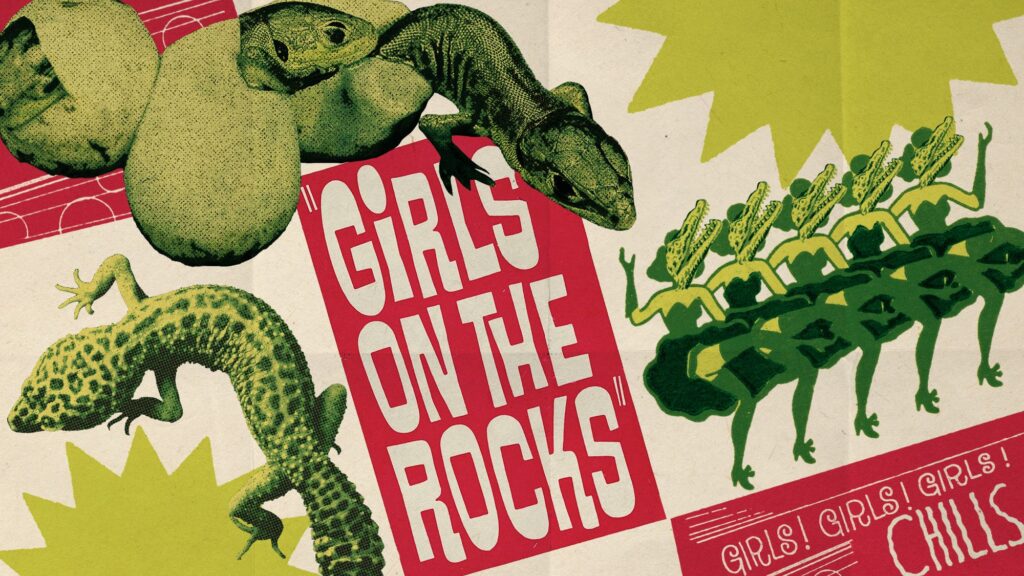
As climate change accelerates, reptiles like lizards, crocodiles, and turtles face mounting challenges that could significantly disrupt their reproductive capabilities. Unlike many animals whose sex is determined genetically, reptiles are particularly vulnerable because their sex is dictated by the temperature of their nests—a process known as Temperature-Dependent Sex Determination (TSD). This unique biological feature puts them at risk in a warming world where rising temperatures could skew sex ratios dramatically, leading to dire consequences for population sustainability.
A recent report highlighted the alarming potential for a "sexpocalypse" among reptile species. According to Scientific American, as global temperatures continue to rise, entire generations of reptiles could emerge predominantly as one sex. For instance, some scientists predict that alligators could be exclusively male by the year 2100 if current trends continue. Such an imbalance threatens not only the reproductive chances of these ancient creatures but also the genetic diversity that allows a species to adapt and survive.
The implications extend beyond sex ratios. A study published in the journal PLOS Genetics examined how extreme temperatures could alter genetic recombination in the Guibé’s ground gecko, a small reptile native to Madagascar. Genetic recombination is crucial for producing diversity within a species, which in turn enhances its ability to adapt to changing environments. As temperature fluctuations hinder this process, the evolutionary resilience of such reptiles may be compromised, increasing their vulnerability to extinction.
Reptiles have demonstrated remarkable adaptability over millions of years, surviving ice ages and extreme heat, but the current pace of climate change poses unprecedented challenges. Scientists suggest that some reptiles may attempt to mitigate the effects of rising temperatures by nesting earlier in the year, selecting shadier locations, or burying their eggs deeper in the ground. However, this adaptive behavior relies heavily on the animals' ability to perceive environmental changes and modify their nesting strategies accordingly.
Unfortunately, many reptile species are already grappling with additional pressures, including habitat loss, pollution, and other human-induced factors. These compounding threats create a precarious situation for species that are already on the brink. For example, the combination of skewed sex ratios and dwindling populations could lead to increased inbreeding, further exacerbating the risk of extinction. As Earth.com noted, the genetic sensitivity of reptiles adds a "quiet risk" to their survival amidst these challenges.
While the situation appears dire, there is hope. Understanding the genetic makeup of male and female reptiles can help scientists predict how temperature changes might impact sex ratios in the wild. Laura González Rodelas, a co-author of the PLOS study, emphasized that global warming not only impacts climate but also affects how animals adapt to survive. By leveraging this knowledge, conservationists may devise strategies to help vulnerable species navigate the shifting landscape.
As American readers, it’s crucial to recognize the broader implications of these findings. The plight of reptiles serves as a stark reminder of the interconnectedness of ecosystems and the urgent need for concerted action to combat climate change. The fate of reptiles may be a harbinger of what could befall other species, including those more familiar to us, unless we acknowledge the risks and take proactive measures to protect our planet's biodiversity.
You Won't Believe These 7 Healthy Halloween Snacks That Will Shock Your Kids—#3 Is a Game Changer!

Is Casio’s New G-Shock The Game-Changer Fitness Junkies Can’t Afford to Miss? Shocking Features Inside!

25 High-Protein Snacks That Are SO Good—You’ll NEVER Go Back to Boring Munchies! Find Out Why!

This New Snack Contains L-Theanine—You Won't Believe What It Does for Your Stress Levels!

Urgent: Jailed Ugandan Leader Besigye’s Health Deteriorating Rapidly—What His Party Fears Next!

Is Casio’s Shocking New G-Shock With Heart Rate Tracking About to Change Fitness Forever? Find Out Why You Can’t Miss This!
You might also like: