
China's H200 Chip Production Shockingly Halted! What Nvidia Suppliers Are Hiding from You?

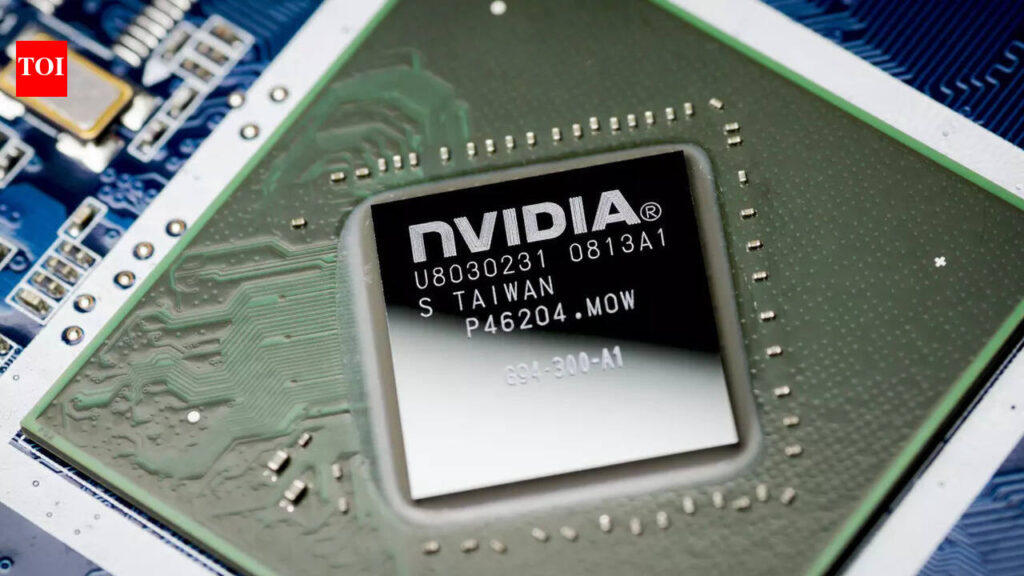
Nvidia, a leading player in the semiconductor industry, is facing significant hurdles as it attempts to re-establish itself in the Chinese market. The company's latest model, the high-end H200 AI chip, has encountered unexpected obstacles following a decision by Chinese customs officials to block its entry into mainland China. This development comes just days after the U.S. government approved the shipment of these chips, creating a perplexing situation for Nvidia and its supply chain.
According to a report by The Financial Times, suppliers of critical components necessary for the H200 chips, including printed circuit boards (PCBs), have halted their production lines. This pause in operations appears to be a strategic move to mitigate potential losses caused by mounting inventory without clear market access. The situation is particularly striking given that Nvidia had made significant investments and efforts to penetrate the Chinese tech market, where demand for advanced AI chips is surging.
The U.S.-China Tech Tug-of-War
The U.S. government recently issued a 25% tariff-based approval for the H200 chips, reflecting a complex and often contentious relationship between the two superpowers in the tech arena. However, this approval was quickly offset by a counteraction from the General Administration of Customs in China, which reportedly instructed customs officers that the Nvidia H200 chips would not be permitted entry. A source cited by news agency Reuters noted that the language used in the directives was so stringent it effectively amounted to a ban.
This sudden shift has left Nvidia somewhat blindsided, especially as the initial batches of H200 chips had recently arrived in Hong Kong. The company had placed great expectations on these chips, aiming to secure partnerships with major Chinese tech firms like Alibaba, ByteDance, and Tencent. Despite their eagerness to integrate the superior performance of H200 chips, these companies are now under pressure from the Chinese government to favor domestic alternatives, such as Huawei's Ascend chips, particularly for applications that could be deemed sensitive to national security.
The stakes are high for Nvidia, which has reportedly received orders for over 2 million H200 units. However, uncertainty surrounding the importation of these chips has led some Chinese customers to reconsider or even cancel their orders altogether. This backlash underscores a growing trend that could have broader implications for foreign tech firms operating in China.
As the global tech landscape continues to evolve, this incident serves as a stark reminder of the intricacies involved in international trade, particularly in the semiconductor sector, which is increasingly viewed as a battleground for geopolitical influence. With AI technology at the forefront of competition, both the U.S. and China are likely to continue implementing strategies that favor their national industries, further complicating the prospects for companies like Nvidia.
In light of these recent developments, the focus now shifts to how Nvidia will navigate this challenging environment. The company's response will be critical not just for its future in China, but also as a barometer for other foreign tech firms operating in this highly regulated and competitive market.
Shocking New Study Reveals: Tylenol and Autism Link is a TOTAL MYTH – What Parents MUST Know NOW!

You Won't Believe How the 1894 Yale Bulldogs Shocked Everyone with Their Perfect 16-0 Season!

Is Trump about to drag Governor Spanberger into a fierce political showdown that could change everything?

Japan's Bold Move: Are Hulic & Logicap About to Revolutionize India's $100B Industrial Real Estate?

You Won’t Believe What Just Sold! 24 Shocking Business & Property Deals Ranging from $81 to $12.6M!

Raymond Lifestyle Just Made a Shocking Move: Meet the New CEO Who Could Change Everything!
You might also like: