
You Won't Believe How Nostalgia is Changing Snack Trends—Discover the Shocking Stats!

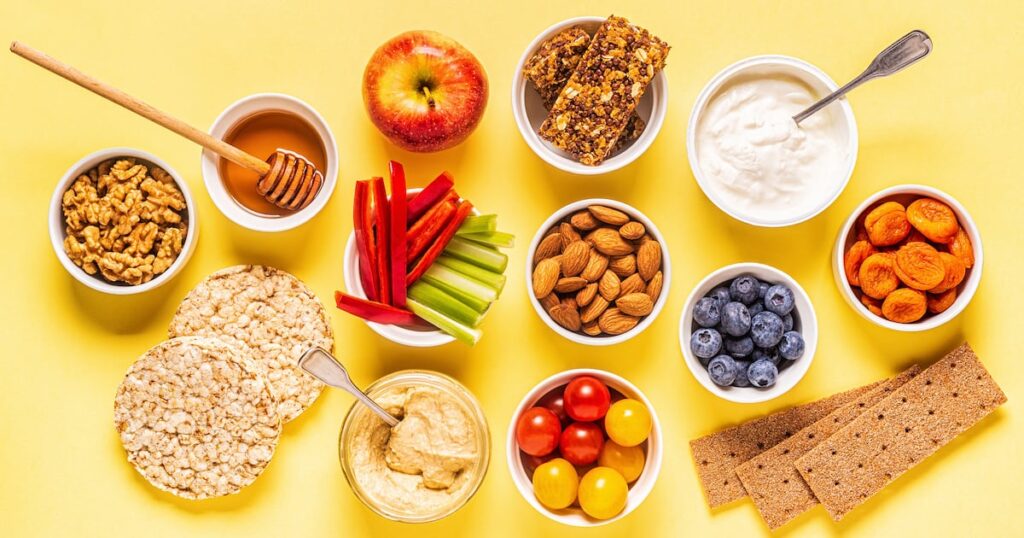
The Evolving Landscape of Snacking
The snacking industry has undergone significant transformation in recent years, particularly as consumers re-evaluate their food choices in the wake of the COVID-19 pandemic. According to data from analytics firm Euromonitor, the global snack market is projected to reach an impressive US$679 billion in retail sales by 2024, a notable milestone amid economic uncertainty across various markets.
This growth trajectory is fueled by the increasing demand for value-driven upgrades, with a marked preference for healthier and functional snacks. In fact, a staggering 96% of global consumers now practice what is termed "mindful snacking." This trend has led to a rise in portion-controlled snacks, as many individuals seek to maintain their snack habits while also being conscious of consumption.
Despite facing the challenges posed by inflation, consumer commitment to snacking remains robust. A remarkable 94% of snack lovers continue to purchase snacks, actively searching for options that fit their budgets. Furthermore, 71% of respondents indicated they would continue snacking through shrinkflation, provided that the perceived quality of the snacks remains consistent.
“In the midst of turbulent tariffs and politics, rising producer costs, and dynamic consumer habit shifts, the snacking industry continues to realize growth in value," stated Carl Quash III, global insights manager at Euromonitor. He added that the industry's five-year forecast through 2030 suggests that this growth will persist as the sector adapts beyond pandemic-related constraints.
As consumer preferences shift, brands are increasingly focusing on health and wellness. Companies are innovating new products that align with the needs of health-conscious consumers. For example, COA, a company specializing in high-protein chocolates, uses crunchy fermented soy clusters to enhance the protein content of its snacks. “We use fermented soy clusters to fortify our chocolates as opposed to protein isolates or concentrates, which most other fortified products use,” explained Eduardo Burg, COA's Founder and CEO. He emphasized that these soy clusters improve protein bioavailability and contain beneficial bioactives and probiotics, delivering a nutritional value superior to regular protein snacks.
Similarly, Uncle Saba’s Poppadoms has rebranded itself to cater to the health-conscious market. Co-Founder Sreenivas Saba noted, “Our poppadoms are made from lentils and chickpeas, both of which are rich in protein and fiber.” He highlighted that consumers are increasingly interested in functional ingredients, prompting the brand to innovate accordingly.
Another significant aspect of the snacking trend is the emotional connection consumers have to their snacks. The State of Snacking Report 2024 from Mondelez found that a strong sentimental link often influences snack selection, particularly in Asian cultures. Notably, 78% of global consumers enjoy sharing their favorite childhood snacks, with even higher rates reported in the Philippines (90%), Indonesia (90%), China (86%), and India (86%).
Moreover, 73% of consumers expressed that certain snacks have been passed down through generations, underscoring the enduring nature of these snacking habits. This deep-rooted loyalty contributes to a strong brand connection, particularly with brands like Cadbury chocolate and Oreo cookies, which have long histories and resonate with consumers across generations.
Addressing the demand for portion control, Mondelez also points out that many consumers prefer to reduce their snack sizes without changing their choices entirely. “We know many consumers, especially in the AMEA region, are looking for portion control in their snacks,” said Tomas Centeno, Mondelez VP for Strategy and Commercial Excellence AMEA. “Offering a variety of choices is crucial.”
As the snacking landscape continues to evolve, it’s clear that consumers are not just snacking; they are making conscious choices that reflect their values and lifestyles. This trend indicates that snacking is not merely a fleeting fad but a significant component of modern dietary habits, adapting to meet the demands of a changing world.
Bitcoin Plummets 2.5%! Is Wall Street's Gloom About to Wipe Out Your Crypto Gains? 🚨📉

Former House Speaker's SHOCKING Move: What His Run for Lieutenant Governor Means for YOU!

Is Mike Tomlin's Job on the Line? Shocking Stats Say Steelers May Be in Trouble!

Why Coastal Signature Real Estate's Bold Move in Florida Could Change Your Home's Value Forever!

Could Miami's Shocking Comeback Stun Indiana? The College Football Playoff's Most Explosive Showdown Awaits!

Why Are 2016 Trends Flooding Social Media? The Shocking Truth You Can’t Afford to Miss!
You might also like: