
Why Are 2016 Trends Flooding Social Media? The Shocking Truth You Can’t Afford to Miss!

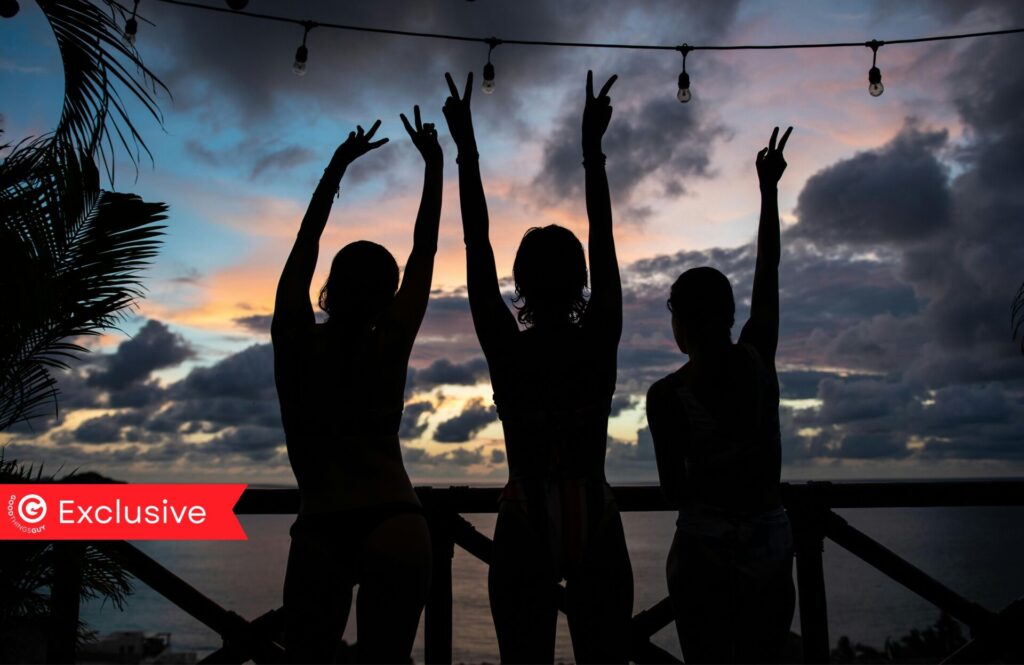
Nostalgia for a Simpler Social Media Era: Revisiting 2016
As we enter 2026, a wave of nostalgia is sweeping across social media platforms, reminiscent of 2016—a time when posts felt more spontaneous and less curated. Users are now revisiting old photos, experimenting with vintage filters, and sharing screenshots of their early Instagram feeds, reflecting a yearning for the carefreeness that defined that era.
Social media in 2016 was characterized by a looser approach; it was a time when sharing a photo didn’t require meticulous planning or brand alignment. Users posted images simply because they found them amusing or meaningful, capturing the essence of moments without the pressure to adhere to a specific aesthetic or to engage algorithms for visibility. The grainy selfies and impulsive captions from that year speak to a rawness that seems almost alien in today’s highly curated digital landscape.
Fast forward to today, and the reality is starkly different. The current social media environment is driven by performance. Users approach content with a strategic mindset, carefully selecting and editing their posts to maximize engagement. There’s an unspoken anxiety surrounding how posts are perceived and the impressions they create. As a result, sharing has morphed from a way to document life into a performance—a management of how one is viewed by others.
This collective nostalgia for 2016 is less about longing for a simpler time and more about a desire for authenticity and spontaneity. People reminisce about the freedom they felt online, where it was acceptable to be messy and unserious, and where joy didn’t require validation from others. The throwback posts flooding feeds today serve as reminders of that energy—a reminder that social media once reflected genuine experiences rather than polished performances.
Moreover, this revival highlights a critical question: can we recapture some of that lightness in our current social media practices? The overwhelming pressure to present a flawless image can create an emotional toll for users, leading to burnout and disconnection from their true selves. In contrast, the 2016 era allowed for a more authentic representation of life—where the mundane was celebrated, and the unfiltered moments were cherished.
Perhaps what this trend signals is a collective call to action. It invites users to loosen the grip on perfection and embrace the idea of posting without the weight of expectations. Social media should serve as a platform for connection and sharing experiences, rather than simply a stage for performance. As we navigate through a world increasingly characterized by curated lifestyles, there’s value in remembering the moments that made us feel alive—those unfiltered, spontaneous snapshots that tell our stories.
In conclusion, the resurgence of interest in 2016 isn’t merely a nostalgic trip down memory lane; it’s a reflection of our current struggles with authenticity in the digital age. As users reconnect with the carefree spirit of that time, perhaps we can all learn to appreciate the beauty of raw, unedited moments and reclaim the joy that comes from simply being ourselves online.
You Won’t Believe What Harris’ Team Asked a Jewish Governor About His Loyalty!

Hispanic Voters Turned the Tide for Trump—Now They’re Regretting It Big Time! What Changed?

Is This Year’s Flu Season the Worst in a Decade? Startling Facts You MUST Know!
White House's Bold Move: Are You Prepared for the Shocking Consequences?

Why Did DLA Japan's Real Estate Co-Head Make a Shocking Move to White & Case? You Won't Believe What’s Next!

Unlock Your Content Goldmine: This 5-Minute Weekly Plan Will Transform Your Engagement—Don't Miss Out!
You might also like: