
World-shaking legacy: What the death of the 91-year-old scientist means for future vaccines!


A notable figure in the field of biochemistry, Professor Gregory Gregoriadis, has passed away at the age of 91. His family announced his death, marking the loss of a scientist whose pioneering work in the early 1970s laid vital groundwork for the development of Covid vaccines.
Professor Gregoriadis, alongside colleague Brenda Ryman, published a groundbreaking paper in 1971 at the Royal Free Hospital School of Medicine. This research focused on the innovative use of liposomes, tiny spherical bubbles of fat, for drug targeting—a concept that would evolve into a crucial aspect of modern vaccine technology.
In a subsequent study published in Nature in 1974, Gregoriadis and Ryman demonstrated that liposomes could serve as “immunological adjuvants,” enhancing the effectiveness of vaccines by stimulating the immune system to produce more antibodies. This discovery was instrumental in shaping the future of vaccine development, including the use of lipids in the contemporary mRNA Covid vaccines that have played a pivotal role in combating the pandemic.
Reflecting on his legacy, Professor Gregoriadis expressed his satisfaction that the research he conducted over 50 years ago contributed to the technology behind Covid vaccines. "When you are a scientist, you tend to ignore the emotional part of it. I’m proud that the vaccine technology has its origins in the work we first carried out in London 50 years ago,” he told the Press Association in 2021.
Born in Athens, Greece, Professor Gregoriadis had been a resident of the UK for over five decades and also held a Canadian passport. He spent much of his career at the UCL School of Pharmacy (formerly known as the London School of Pharmacy), where he served as Professor Emeritus and earned a Doctor of Science degree from the University of London.
His family released a statement in response to his passing, stating, “We are immensely proud of his scientific work, which means he leaves a great legacy. Just as importantly to us, he was very much a family man and a kind, charismatic figure who impacted many lives both directly and indirectly.”
The contributions of Professor Gregoriadis to biochemistry and vaccine development underscore a significant shift in how vaccines are conceived and administered today. His pioneering work not only advanced the field of immunology but also continues to resonate in public health initiatives worldwide, especially in light of the ongoing global health challenges posed by Covid-19.
You Won't Believe What Pellegrino Matarazzo Just Revealed—This Shocking Confession Will Change Everything!
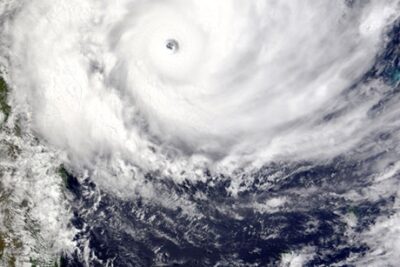
Are We Really This Close? 2°C Rise by 2050 Could Spell Disaster—Find Out What You Need to Know!
Are You Drinking Toxic Water? The Shocking Truth About PFAS and Your Health!

Cremonese vs Hellas Verona: The Shocking Stats You Need to See Before Betting!

Jasmine Bascoe’s Unbelievable 22 Points Shatter Butler’s Hopes—You Won’t Believe the Ending!

Luxon's Shocking New Slogan Could Change Everything in 2024—Are You Prepared for the Election Twist?
You might also like: